
How To
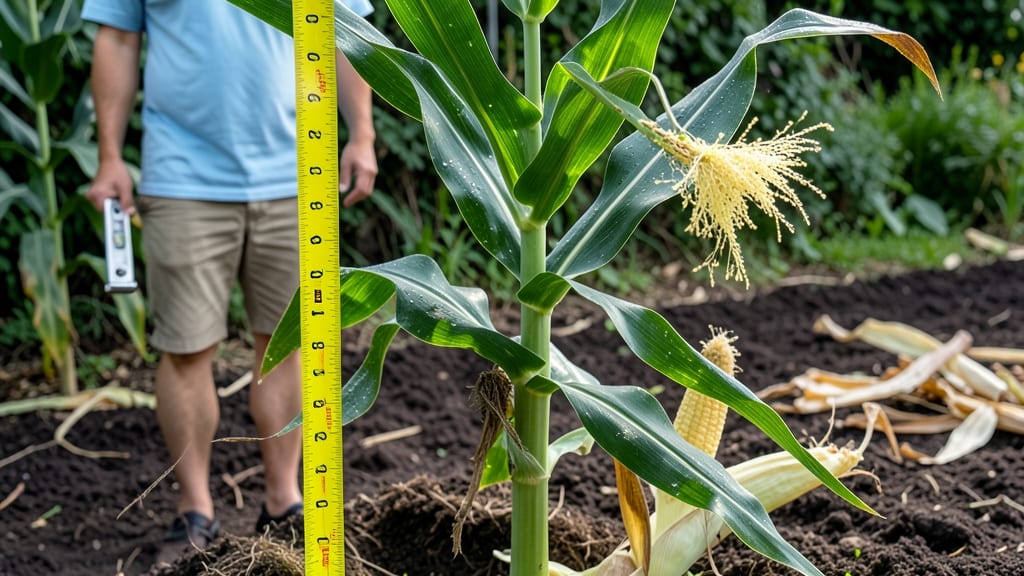
If you're wondering how tall does corn plant grow, the answer might surprise you—especially when you see 🌽 stalks reaching toward the sky like nature's own skyscrapers.
Some varieties stay compact at just 4-6 feet, perfect for small gardens, while others shoot up to 12 feet or more, rivaling a basketball hoop in height.
This dramatic difference isn't random—it depends entirely on the type of corn you're growing. Sweet corn for your dinner table typically stays in the 6-8 foot range, while field corn (used for animal feed or biofuel) can tower over your fence.
Even popcorn varieties vary, with some dwarf options staying under 5 feet and others stretching toward the clouds.
But here's the catch: height isn't just about variety—it's also about how you grow it. Proper spacing, sunlight exposure, and soil quality can make the difference between a sturdy stalk and one that flops over.
I'll show you exactly how to maximize your corn's potential without sacrificing yield or stability, so you can plan your garden with confidence.
Whether you're a beginner or a seasoned gardener, understanding these height ranges will help you choose the right variety for your space—and maybe even impress your neighbors with cornstalks that seem to touch the sky.
Let's break down what you need to know to grow corn that's both beautiful and bountiful.


Corn plant height by variety: from dwarf to towering stalks
Corn plants are architectural giants in the garden, with heights ranging dramatically depending on the variety. Whether you're growing sweet corn for dinner or field corn for livestock, understanding these height differences helps you plan your garden layout and support needs.
The smallest varieties barely reach waist height, while the tallest can rival basketball hoops!
Most gardeners focus on sweet corn varieties, which typically grow between 6 to 10 feet tall.
These are the types you'll find at seed stores and farmers' markets, perfect for home gardens. Field corn and flint corn varieties often grow even taller, reaching 10 to 12 feet, making them ideal for larger farms or as ornamental features in rural landscapes.
Dwarf corn varieties, like 'Little and Lovely' or 'Golden Bantam', are perfect for small gardens or containers. These stay compact at 4 to 6 feet, making them easier to manage and harvest.
Their smaller stature also means they require less support, which is great for beginners or urban gardeners with limited space.
Standard corn varieties, such as 'Silver Queen' or 'Peaches and Cream', reach the classic 8 to 12 feet height. These are the varieties most people envision when they think of cornfields, and they're the best choice if you want a traditional corn garden experience.
Their height also makes them great for creating natural windbreaks or privacy screens in rural settings.
Popcorn varieties often fall in the mid-range, growing 6 to 10 feet tall. While they don't reach the towering heights of field corn, they still provide a substantial presence in the garden.
Popular varieties like 'Glass Gem' (which also has beautiful multicolored kernels) add both function and visual interest to your growing space.
The height of your corn plants can also be influenced by growing conditions. Full sun exposure (at least 6 to 8 hours daily) and rich, well-draining soil encourage taller growth. However, if your plants are struggling with poor soil or inadequate sunlight, they may stay shorter than expected.
Proper watering and fertilization also play key roles in reaching their full potential height.
| Variety Type | Height Range | Best For | Notes |
|---|---|---|---|
| Dwarf Corn | 4–6 ft | Containers, small gardens | Easy to harvest; minimal support needed |
| Sweet Corn (Standard) | 6–10 ft | Home gardens, culinary use | Most common variety; needs proper spacing |
| Field Corn | 8–12 ft | Livestock feed, large gardens | Tallest variety; requires strong support |
| Popcorn | 6–10 ft | Snacking, ornamental | Drought-tolerant; some varieties have colorful kernels |
| Flint Corn | 7–11 ft | Grinding flour, heirloom gardens | Hard kernels; slower to mature |
If you're growing corn for ornamental purposes, consider varieties like 'Glass Gem', which not only reaches 8 to 10 feet but also features stunning multicolored kernels. This makes it a showstopper in the garden while still being functional for popping.
For culinary use, stick to sweet corn varieties, as they're bred specifically for tender, sweet kernels.
When planning your garden, consider the maturity date of your corn variety alongside its height. Taller varieties often take longer to mature, so if you're in a shorter growing season, opt for shorter, faster-maturing types like 'Early Sunglow' (6–8 feet) or 'Bodacious' (7–9 feet).
These will give you a harvest before the first frost arrives.
Remember that proper spacing is just as important as choosing the right variety. Overcrowding can stunt growth and reduce yield, while proper spacing ensures each plant has enough room to reach its full height potential.
We’ll dive deeper into spacing requirements in the next section to help you maximize your corn garden’s success.
🌽
Corn plant height by variety: from dwarf to towering stalks
Corn plants are architectural wonders in the garden, with mature heights ranging from 4 feet to over 12 feet depending on the variety. Understanding these differences helps you choose the right type for your space—whether you're growing sweet corn for dinner or ornamental corn for texture in your landscape.
Most gardeners focus on sweet corn varieties, which typically reach 6 to 10 feet, but field corn and popcorn can grow even taller.
The height of your corn plants isn't just about aesthetics—it directly impacts plant spacing, yield potential, and even wind resistance. For example, dwarf varieties like 'Little and Lovely' stay compact at 4 to 6 feet, making them ideal for small gardens or containers.
Meanwhile, traditional varieties like 'Country Gentleman' can soar to 12 feet, requiring careful planning to prevent lodging (when stalks fall over).
Here's how corn varieties stack up in terms of height, along with their ideal growing conditions to maximize growth:
| Variety Type | Height Range | Sunlight Needs | Best For |
|---|---|---|---|
| Dwarf Sweet Corn | 4–6 ft | Full sun (6+ hrs) | Small gardens, containers |
| Semi-Dwarf Sweet Corn | 6–8 ft | Full sun (8+ hrs) | Home gardens, fresh eating |
| Standard Sweet Corn | 8–12 ft | Full sun (8+ hrs) | Large gardens, high yields |
| Field Corn | 10–14 ft | Full sun (8+ hrs) | Animal feed, ornamental |
| Popcorn | 7–10 ft | Full sun (6+ hrs) | Drying kernels, snacks |
Growing conditions play a huge role in whether your corn will hit its full height potential. For instance, field corn and tall sweet corn varieties need rich, well-draining soil with plenty of nitrogen to support their towering growth.
If your soil is poor, you might see stalks that are weak and stunted, even in varieties known for their height. Additionally, wind exposure can cause taller varieties to lean or snap, so planting near a windbreak or fence is wise for varieties over 8 feet.
Pro tip: If you're growing corn for ornamental purposes, consider multi-colored corn varieties like 'Black Aztec' or 'Glass Gem,' which can reach 7 to 10 feet while adding stunning color to your garden.
These varieties are just as tall as traditional sweet corn but offer visual interest that extends beyond harvest season.
For maximum height and health, always plant corn in blocks or squares (not single rows) to encourage wind resistance and pollination. This method also makes it easier to support taller varieties naturally, reducing the need for staking.
Whether you're aiming for a 6-foot dwarf or a 12-foot giant, spacing and soil prep are your best tools for achieving the height you want.