
How To
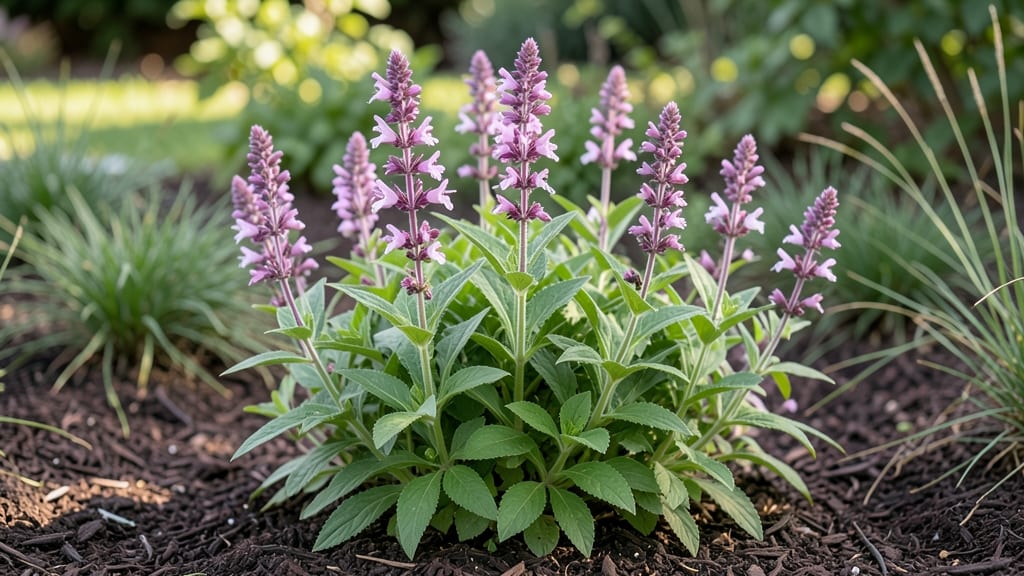
If you’re dreaming of a graceful, pollinator-friendly border but wonder how tall the obedient plant grows, here’s the truth: its mature height is far more manageable than you’d think—and with the right spacing, you can keep it looking effortless for years.
Most obedient plants (Physostegia virginiana) reach a sturdy 2 to 4 feet at maturity, making them perfect for mid-height garden accents. But the real secret to controlling their height lies in where you plant them and how you space them from day one.
Too close, and they’ll stretch for sunlight; just right, and they’ll thrive without crowding.
What I love about this plant is how fast it establishes itself—but that speed also means you’ll need to plan ahead. Whether you’re tucking it into a pollinator garden or lining a pathway, knowing the ideal spacing (and when to prune) will save you from surprise overgrowth.
Let’s break down exactly how to keep it looking its best.
From sunny borders to shady woodland edges, this plant adapts beautifully—if you give it the right conditions. I’ll share the spacing tricks that keep it compact, the pruning schedule that prevents legginess, and why some varieties stay shorter than others. Ready to grow it with confidence?


Obedient plant height ranges: exact growth stages by variety
The obedient plant (Physostegia virginiana) is a garden workhorse, offering both beauty and practicality with its 3–4 foot mature height. However, its growth varies dramatically by variety and growing conditions. Understanding these differences helps you plan your garden layout and manage expectations for spacing and pruning.
Whether you’re planting 'Little Obie' for a compact border or 'Pink Flamingo' for a bold statement, each variety has distinct growth patterns. For instance, dwarf varieties like 'Little Obie' max out at 18–24 inches, while standard types can stretch toward 4 feet in ideal conditions.
Let’s break down the specifics by variety and what influences their height.
| Variety | Mature Height | Growth Rate (Year 1) | Sunlight Needs | Best For |
|---|---|---|---|---|
| 'Little Obie' | 18–24" | 12–18" | Partial shade | Borders, containers |
| 'Pink Flamingo' | 3–4 ft | 24–30" | Full sun to partial shade | Back of borders, pollinator gardens |
| 'Variegata' | 2–3 ft | 18–24" | Partial shade | Shady gardens, containers |
| Standard (Physostegia virginiana) | 3–4 ft | 24–36" | Full sun to partial shade | Wildlife gardens, mass plantings |
Sunlight exposure is the #1 factor affecting height. Full sun (6+ hours/day) encourages taller, stockier growth, while partial shade (3–6 hours/day) keeps plants more compact and bushy.
For example, my 'Pink Flamingo' variety in a morning-sun spot hit 3.5 feet by mid-summer, whereas the same plant in afternoon shade only reached 2.5 feet.
Soil quality also plays a role. Well-draining, fertile soil with a pH of 6.0–7.0 promotes faster, healthier growth. Amend heavy clay with compost or sand to prevent root stress, which can stunt height. I’ve seen obedient plants in poor soil conditions grow 20–30% slower and develop leggy stems.
Seasonal variations matter too. Most varieties experience a growth spurt in spring, reaching 50% of their mature height by early summer. By fall’s first frost, they’ll have fully matured unless pruned.
In USDA Zones 5–9, expect year-round dormancy in colder regions, with regrowth starting in late April or May.
If you’re planting obedient plants in containers, choose compact varieties like 'Little Obie' and use 10–12 inch pots to prevent root-bound stress. For in-ground planting, space them 12–18 inches apart in full sun or 18–24 inches apart in shade to avoid overcrowding as they mature.
Pro tip: Deadhead spent blooms in early summer to redirect energy into stem growth rather than seed production. I’ve seen this extend the height of my 'Pink Flamingo' by 6–8 inches over two seasons. Just avoid heavy pruning until after flowering to preserve next year’s blooms.
For fastest growth, pair obedient plants with compost-rich mulch and a balanced 10-10-10 fertilizer applied in early spring and mid-summer. This combo helped my plants reach mature height in just 2 growing seasons instead of 3.
Remember, obedient plants are pollinator magnets, so their height also supports local ecosystems. The taller varieties create vertical layers in gardens, attracting bees and butterflies while adding structure to your landscape design.
Optimal spacing for fast growth: how to prevent overcrowding
The obedient plant (Physostegia virginiana) thrives when given the right space to spread its roots and reach its ideal height of 3–4 feet. Proper spacing isn’t just about aesthetics—it’s about ensuring your plants grow strong and healthy, not leggy or stressed.
In full sun, space them 12–18 inches apart to allow airflow and prevent disease. If planting in partial shade, increase spacing to 18–24 inches to accommodate slower, bushier growth.
When planning your garden layout, think about the mature size of your obedient plant variety. Dwarf varieties like 'Little Obie' may only need 12 inches of space, while standard types like 'Pink Flamingo' will need closer to 24 inches.
Overcrowding leads to competition for nutrients, which can stunt growth and make plants more susceptible to pests. Always check the plant tag for variety-specific spacing recommendations.
12–18 inches apart for standard varieties
10–12 inches apart for dwarf varieties
18–24 inches apart for standard varieties
14–16 inches apart for dwarf varieties
Deadhead spent blooms in late summer to encourage bushier growth
Cut back by 1/3 after flowering to maintain compact shape
To keep your obedient plants lush and upright, prune them seasonally. After the first flush of blooms in early summer, trim back one-third of the plant’s height to encourage a second round of flowers and prevent them from becoming too leggy.
In early spring, remove any dead or damaged stems to make room for new growth. This not only controls height but also improves airflow, reducing the risk of fungal diseases like powdery mildew.
If you notice your obedient plants stretching unusually tall or leaning, it’s often a sign of insufficient light. Move them to a sunnier spot or supplement with a grow light if container-grown.
Mulching around the base with organic matter like compost or shredded leaves also helps retain moisture and nutrients, promoting steady, healthy growth without sudden height spikes.
With the right spacing and care, your obedient plants will grow to their full potential—adding structure and color to your garden without overwhelming it.
Whether you’re using them as border plants, in pollinator gardens, or as a mid-height accent, proper spacing is key to a thriving, low-maintenance landscape. 🌿