
How To
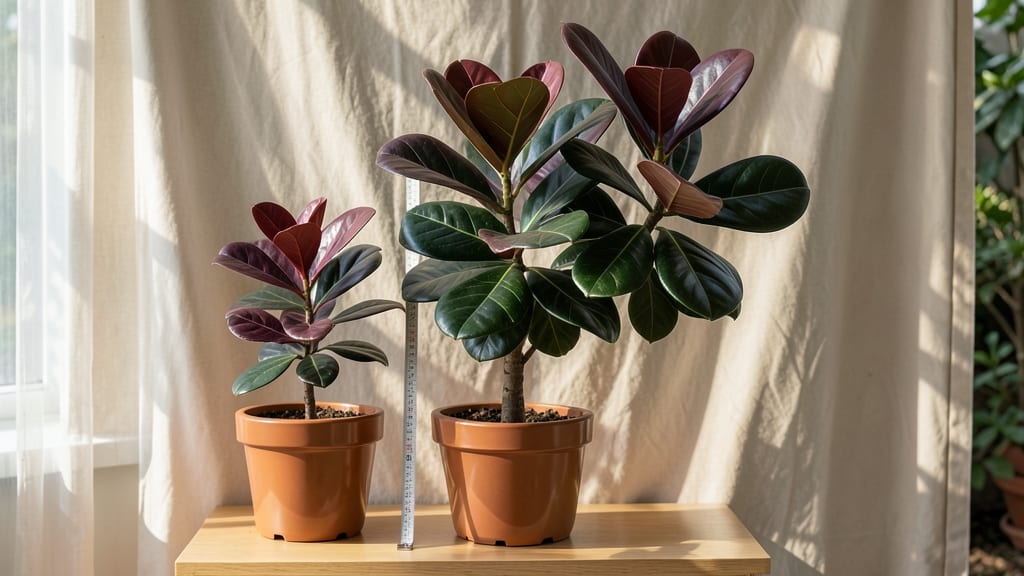
If you’ve ever wondered how tall your rubber plant 🌿 can grow indoors, the answer might surprise you—these glossy-leaved giants can reach heights of 6 to 10 feet with the right care, turning your living space into a lush, green corner.
Unlike many houseplants that stay small, rubber plants thrive when given room to stretch, making them a statement piece in any home.
The key to unlocking their full height potential lies in a few simple factors: bright, indirect light, proper pruning, and the right pot size.
Whether you’re dreaming of a towering indoor jungle or just want to keep your plant manageable, understanding these growth drivers will help you steer its height exactly where you want it. Let’s break down how to encourage—or control—that impressive vertical growth.
For beginners, the thought of a 10-foot-tall rubber plant might feel overwhelming, but with the right techniques, you can shape its growth to fit your space. Some varieties, like the compact ‘Burgundy’ or ‘Variegata,’ stay shorter, while others shoot up quickly if given the chance.
I’ll show you how to read your plant’s signals and adjust care to keep it thriving—no guesswork required.
Ready to transform your plant parenting game? You’ll learn how to spot early signs of stunted growth, the best pruning tricks to maintain height, and even how to repurpose cuttings for more plants.
By the end, you’ll know exactly how to nurture your rubber plant to reach its ideal height—whether that’s a modest 3 feet or a dramatic 10-foot statement piece.


Rubber plant height limits: how tall can it grow indoors?
Your rubber plant (Ficus elastica) can reach impressive heights indoors, but its growth depends on several factors like light exposure, pot size, and pruning habits.
On average, these tropical beauties grow between 3 to 10 feet tall when given ideal conditions. Without proper care, they may stay shorter or grow leggy, stretching toward light sources.
Understanding the growth timeline helps set realistic expectations. In the first year, your rubber plant will likely grow just 1 to 2 feet tall. By year two, it can double in height, reaching 2 to 4 feet.
With consistent care, mature rubber plants often surpass 6 feet, sometimes even 10 feet in spacious homes or greenhouses.
Not all rubber plants grow the same height, though. Varieties like 'Burgundy' or 'Black Prince' tend to grow taller, while 'Variegata' or 'Tineke' may stay slightly shorter due to their slower growth rates. Even within the same variety, indoor conditions can drastically alter height potential.
| Age | Height Range | Notes |
|---|---|---|
| Year 1 | 1–2 ft | Slow initial growth; focus on root establishment. |
| Year 2 | 2–4 ft | Rapid growth phase if given bright, indirect light. |
| Year 3+ | 4–10 ft | Mature height varies by variety and care; prune to control size. |
🌿 Pro Tip: Use a moisture meter to track soil health—overwatering can stunt growth.
Light is the #1 factor influencing height. Rubber plants thrive in bright, indirect light, which encourages bushier growth. Place yours near an east or north-facing window for optimal results. If light is limited, supplement with a grow light to prevent leggy, stretched growth.
Without enough light, your plant may grow only 3 to 5 feet tall, even after years of care.
Pot size also plays a crucial role. Rubber plants grow faster in larger containers because they have more room for roots to expand. However, if the pot is too big, the plant may focus on filling the space rather than growing upward.
Aim for a pot that’s 2–3 inches larger in diameter than the root ball. Repotting every 2–3 years keeps growth steady and healthy.
Pruning is another tool to control height. Regular pruning not only keeps your rubber plant manageable but also encourages fuller, bushier growth. Trim back leggy stems in early spring to redirect energy toward new branches.
You can even propagate the cuttings to grow new plants! Just be sure to use sterile pruners to avoid disease.
Outdoor rubber plants can grow even taller, sometimes reaching 10 to 15 feet in tropical climates (USDA zones 10–12). If you live in a warmer region, consider moving your plant outside during summer for a growth boost. Just protect it from direct sun to avoid leaf scorch.
To encourage vertical growth, provide a support stake or trellis. Rubber plants naturally climb in the wild, so giving them something to grip can help them grow taller and straighter.
Avoid overcrowding, as competing plants will stunt each other’s growth. With the right care, your rubber plant can become a stunning indoor focal point for years to come.
🌱 Remember, patience is key—rubber plants grow at their own pace, and with the right conditions, they’ll reward you with lush, glossy foliage and impressive height.
5 Proven growth hacks to maximize (or control) rubber plant height
Want your rubber plant to reach its full 6–10-foot potential—or keep it compact for small spaces? The secret lies in strategic care hacks. With the right techniques, you can guide its growth vertically or maintain a bushier shape.
Let’s explore 5 proven methods to control your plant’s height like a pro.
First, pruning regularly is key. Pinch back the tips of new growth to encourage bushier, fuller growth instead of a tall, leggy stem. Use clean, sharp pruning shears to cut just above a leaf node. This redirects energy to side branches, creating a stockier plant that stays shorter.
For those aiming for maximum height, provide a support stake or trellis. Rubber plants naturally climb in the wild, so a bamboo stake or moss pole lets them grow upward. Tie the stems gently with soft plant ties every 6–12 inches to guide vertical growth without damaging the plant.
🌱 Numbered Highlights: Growth Hacks for Your Rubber Plant
- 1. Prune for bushiness: Trim leggy stems to encourage side branches.
- 2. Use support stakes: Guide vertical growth with a trellis or bamboo pole.
- 3. Rotate the pot: Ensure even light exposure for balanced growth.
- 4. Upgrade pots slowly: Move to larger containers only when roots outgrow the current one.
- 5. Fertilize seasonally: Use balanced 10-10-10 fertilizer every 4–6 weeks in spring/summer.
Pro tip: Combine these hacks for optimal height control!
Don’t overlook light exposure. Rubber plants thrive in bright, indirect light, which fuels faster growth. Place your plant near an east or north-facing window for ideal conditions. If natural light is limited, supplement with a grow light for 12–14 hours daily to maintain healthy growth rates.
Another game-changer? Repotting strategically. Rubber plants grow faster when slightly root-bound, but if they’ve outgrown their pot by 2–3 inches, it’s time to upgrade. Choose a container only 1–2 inches wider than the current one to prevent excessive root spread, which can slow vertical growth.
Finally, fertilize wisely to support height goals. Use a balanced fertilizer (like 10-10-10) every 4–6 weeks during spring and summer. Avoid over-fertilizing in fall/winter, as this can lead to leggy growth or nutrient burn. Pair feeding with deep watering to help nutrients reach the roots efficiently.