
How To
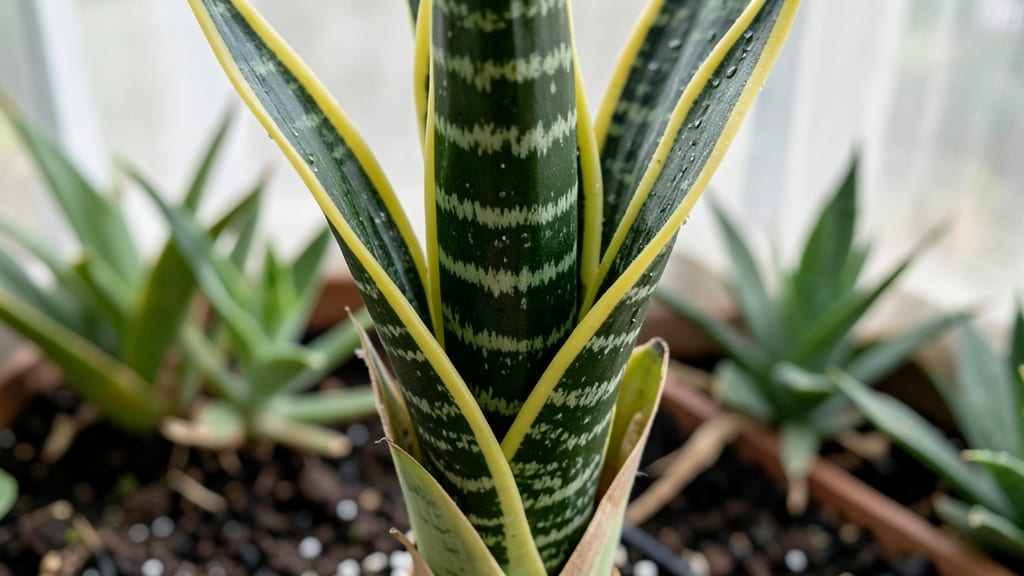
If you’re wondering how tall a snake plant can grow 🌱—whether it’s reaching for the ceiling or staying stubbornly short—you’re not alone. This hardy houseplant can stretch anywhere from 1 foot to over 4 feet, depending on care, variety, and environment.
The good news? Understanding its growth habits lets you steer its height in the right direction, whether you want a compact desk companion or a dramatic floor statement.
Most snake plants hit their mature height between 3 and 5 years, but some varieties like 'Futura Superba' can stretch taller with ideal conditions. The key? Light exposure, pot size, and watering habits all play a role in how fast (or slow) it grows vertically.
Let’s break down exactly what influences your plant’s height—and how to keep it thriving at your desired size.
You might assume snake plants grow at a steady pace, but their vertical growth can surprise you. Some varieties spike upward in their first year, while others take years to reach their full potential.
Learning the signs of healthy growth (and what to watch for if it’s stretching too fast) helps you adjust care before it’s too late.
Whether you’re dealing with a dwarf variety that stays under 2 feet or a standard type climbing toward the ceiling, this guide covers everything you need to know. Ready to predict—and control—your snake plant’s height? Let’s get started.


Snake plant height by variety: exact growth ranges and mature sizes
Your snake plant's mature height depends entirely on its variety and care. While some varieties stay compact at just 12–18 inches, others can stretch toward 4 feet or taller under ideal conditions.
The most common species, Sansevieria trifasciata (often called 'Mother-in-Law's Tongue'), typically reaches 2–3 feet indoors but can exceed 4 feet outdoors with ample space.
Even within the same species, growth habits vary dramatically. For example, the 'Futura Superba' variety grows taller and narrower (up to 3 feet), while 'Moonshine' stays shorter (18–24 inches) with broader leaves. These differences make variety selection your first key to controlling height.
If you're wondering why your snake plant isn't growing as expected, check its leaf width—taller varieties often have slender leaves, while dwarf types like 'Hahnii' (also called 'Bird's Nest') grow only 6–12 inches tall but produce dense, rosette-like clusters.
Outdoor-grown snake plants generally outpace indoor specimens by 30–50% due to more space and natural light. However, even in indoor conditions, proper care can push a standard variety from 2 feet to 3+ feet over 3–5 years.
🌱 Snake Plant Height Comparison by Variety
| Variety | Mature Height (Indoor) | Mature Height (Outdoor) | Leaf Width | Growth Habit |
|---|---|---|---|---|
| Sansevieria trifasciata | 2–3 ft | 3–4 ft | 2–3 in | Upright, clumping |
| 'Futura Superba' | 2.5–3 ft | 4–5 ft | 1.5–2 in | Tall, slender |
| 'Moonshine' | 18–24 in | 2–3 ft | 3–4 in | Compact, broad |
| 'Hahnii' | 6–12 in | 12–18 in | 1–2 in | Dwarf, rosette |
| 'Laurentii' | 2–3 ft | 3–4 ft | 2–3 in | Upright, variegated |
📏 Pro Tip: Measure your snake plant's leaves annually—growth slows in winter but spikes in spring/summer.
If you're dealing with a tall-growing snake plant in a small space, consider pruning or dividing it every 2–3 years to control height. For example, a 'Futura Superba' that reaches 3 feet can be trimmed back to 18–24 inches while still thriving.
Just remember to use sterile scissors and let cut ends callus over for 24 hours before repotting.
Outdoor snake plants often develop longer, straighter leaves due to unobstructed light and soil depth. In containers, root-bound plants may stunt vertically but produce thicker leaves instead. This is why repotting every 2–3 years in spring helps maintain balanced growth.
For dwarf varieties like 'Hahnii', focus on well-draining soil and bright indirect light to encourage horizontal spread rather than vertical growth. These
Factors that control snake plant height: light, pot size, and pruning secrets
Your snake plant’s vertical growth isn’t just luck—it’s a direct response to its environment. The three biggest factors shaping its height are light exposure, pot size, and pruning habits.
Let’s break down how each one steers your plant toward becoming a towering statement piece or a compact desk companion.
First, light exposure acts like a growth accelerator. Snake plants in bright indirect light (like an east-facing window) grow 2–3 feet taller over 3 years than those in dim corners. This happens because light triggers photosynthesis, fueling leaf elongation. But too much direct sun can scorch leaves, stunting growth entirely.
Next, pot size plays a sneaky role. A cramped pot (under 6 inches in diameter) forces roots to compete, slowing vertical growth. Meanwhile, a roomy pot (8+ inches) encourages deeper root systems, which can push height up by 12–18 inches over 2 years.
The key? Repot every 2–3 years to give roots space to stretch.
✅ Ideal Growth Conditions vs. ❌ Restricted Growth
- Bright indirect light: 2–4 hours daily
- Pot size: 8+ inches in diameter
- Pruning: Trim brown tips only
- Height gain: 6–12 inches/year
- Low light: <1 hour/day
- Pot size: <6 inches in diameter
- Pruning: Frequent leaf cutting
- Height gain: 2–4 inches/year
Don’t overlook pruning, either. Trimming yellow or brown leaves at the base encourages new shoots, which can add 6–12 inches to your plant’s height over time.
But here’s the catch: Over-pruning (cutting more than 20% of leaves) stresses the plant, slowing growth. Instead, focus on selective trimming to redirect energy upward.
Even watering habits indirectly affect height. Overwatering causes root rot, which weakens the plant and stunts growth. Aim for deep soaks every 2–3 weeks—your snake plant will reward you with healthier, taller leaves as a result.
Pro tip: If your snake plant starts leaning or stretching, it’s begging for more light. Rotate the pot quarter-turns every 2 weeks to ensure even growth. With the right balance, you’ll see consistent vertical growth without the leggy, weak look.
Remember, patience is key. Most snake plants hit their mature height of 3–4 feet in 3–5 years, but with optimal care, some varieties like 'Futura Superba' can even reach 5 feet indoors. The secret? Consistency in light, space, and minimal interference.