
Watering
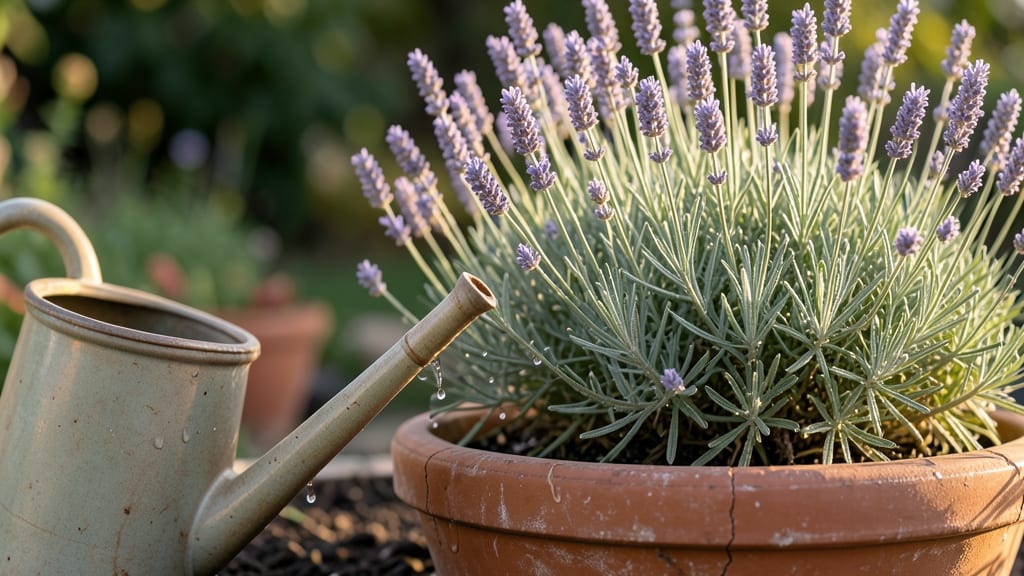
How much water lavender plants need by growth stage
Lavender plants thrive on consistent but minimal watering. Unlike thirsty annuals, they’re drought-tolerant once established, making them perfect for low-maintenance gardens. The key is understanding their water needs at each growth stage—from delicate seedlings to hardy mature bushes.
Overwatering is the #1 killer of lavender, so let’s break down exactly how much (and when) to water at every phase.
For new seedlings, the soil should stay evenly moist (not soggy) for the first 4-6 weeks after planting. This critical period mimics their natural Mediterranean habitat where winter rains keep soil damp.
Use a spray bottle or drip irrigation to deliver gentle moisture without disturbing tender roots. Think of it like a light misting—just enough to keep the top inch of soil damp.
Once your lavender reaches the established stage (about 3-4 months old), you’ll shift to a drip-and-dry method. This means giving them a deep watering every 7-10 days—enough to moisten the soil 6 inches deep—then letting it dry out completely before the next watering.
This mimics their native dry summers and teaches roots to grow deeper in search of moisture. Yellowing leaves or wilting are your cues that it’s time to water again.
Mature lavender plants (over 2 years old) are the most drought-resistant. In summer months, they may only need watering every 2-3 weeks, depending on your climate. The rule of thumb? Water deeply but infrequently.
A good soak in the morning (before 10 AM) gives roots time to absorb moisture before the heat of the day. Never water at night—this invites fungal diseases like root rot. Instead, let the sun dry out the foliage between waterings.
Seasonal adjustments are crucial. Spring and fall call for slightly more frequent watering (weekly) as lavender ramps up growth after dormancy or prepares for winter. Winter watering should be minimal—only enough to prevent soil from becoming completely bone-dry.
In USDA Zone 6a, where lavender grows well, a monthly watering during winter is often sufficient, unless you’re in an unusually dry spell.
Container-grown lavender has different watering needs than in-ground plants. Pots dry out faster, so you’ll need to water every 5-7 days in summer, even for mature plants.
The key is ensuring your container has drainage holes—without them, roots will suffocate in soggy soil. Terracotta pots are ideal because they wick away moisture, but any container with drainage works. Always water until it runs out the bottom, then empty the saucer to prevent salt buildup.
Here’s a pro tip: Use the finger test before watering. Stick your finger 2 inches into the soil. If it feels dry, it’s time to water. If it’s still damp, wait another day.
Lavender’s woody stems store water, so they can handle brief dry spells better than most herbs. Overwatering causes more damage than underwatering—so when in doubt, wait a little longer before adding more water.
Mulching plays a surprising role in lavender’s water needs. Apply a 1-2 inch layer of gravel or coarse sand around the base (but not touching the stems) to reflect sunlight and reduce evaporation.
Organic mulches like straw can actually retain too much moisture, so stick to inorganic options. This technique helps maintain consistent soil moisture without smothering the plant’s roots.
One common mistake is assuming all lavender varieties have the same water needs. English lavender (Lavandula angustifolia) is the most drought-tolerant, while Spanish lavender (Lavandula stoechas) prefers slightly more moisture. Grosso lavender (a hybrid) falls in between.
Always check your specific variety’s care guide—some can handle up to 3 weeks without water in summer, while others may need weekly attention in extreme heat.
Remember, lavender’s fragrance and resilience come from its ability to thrive in dry conditions. The goal isn’t to keep the soil perpetually moist—it’s to mimic its natural Mediterranean environment where summers are hot and dry.
With the right watering approach, your lavender will reward you with vibrant blooms and intoxicating scent for years to come.
| Growth Stage | Watering Frequency | Depth | Best Time |
|---|---|---|---|
| Seedlings (0-4 weeks) | Every 2-3 days | Top 1 inch | Morning |
| Established (3-12 months) | Every 7-10 days | 6 inches deep | Early morning |
| Mature (2+ years) | Every 10-21 days | 8-12 inches deep | Morning (avoid night) |
| Winter Dormancy | Monthly (if no rain) | Surface only | Midday |
| Container-Grown | Every 5-7 days (summer) | Until drainage | Morning |
🌱 Lavender Watering by Stage
Now that you know the
How much water lavender plants need by growth stage
Lavender thrives on minimal water, but the amount changes dramatically as your plant grows. Seedlings need consistent moisture, while mature lavender plants practically beg for drought. Understanding these stages ensures your lavender stays healthy without risking root rot or dehydration.
For new seedlings, keep the soil evenly moist—like a wrung-out sponge. This means watering every 2-3 days until roots establish, usually within 4-6 weeks. Overwatering at this stage is the #1 killer of young lavender, so always check soil moisture before watering.
Once your lavender reaches maturity (2+ years), the watering schedule shifts dramatically. In summer months, established lavender can survive on bi-weekly waterings—or even less if you live in a dry climate.
The key is to let the soil dry out completely between waterings, which encourages deep root growth and natural drought tolerance.
During spring and fall, lavender enters its active growth phase and needs slightly more frequent watering—about once per week. This is when you'll see the most blooms, so consistent moisture (but never soggy soil) is crucial.
Think of it as giving your lavender a light drink rather than a bath.
In winter, lavender goes dormant, and water needs drop to a bare minimum. Unless you're in an exceptionally dry region, you can often skip watering entirely.
The goal is to avoid winter watering unless the soil is completely dry, which can lead to rot or weak new growth in spring.
Pro tip: Always water in the morning to allow foliage to dry completely. This prevents fungal diseases that thrive in damp conditions. For container-grown lavender, check soil moisture daily in summer—potted plants dry out 3x faster than in-ground varieties.