
Planting
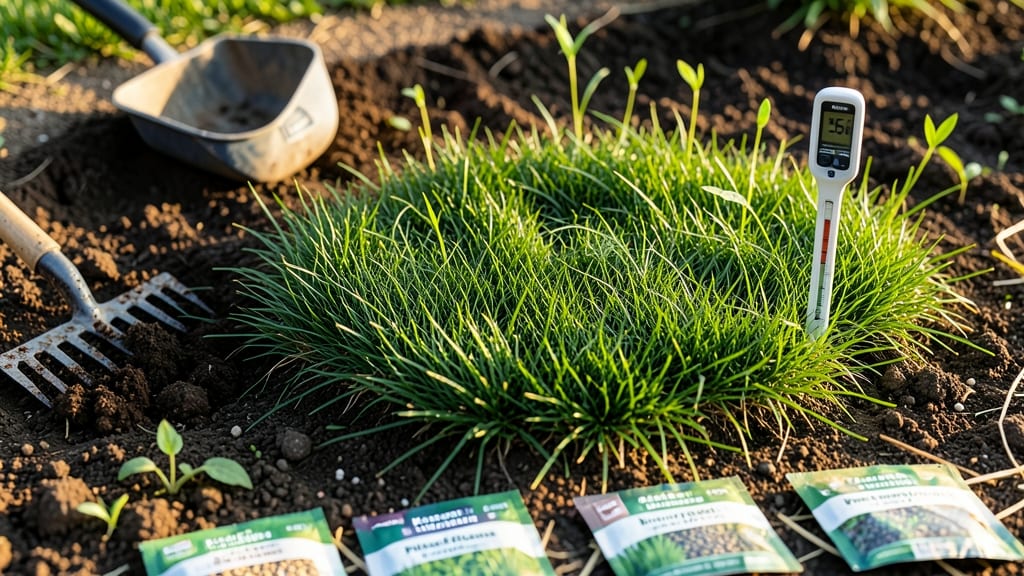
Planting grass seed in Massachusetts at the wrong time can mean fighting frost heaves, slow growth, or weeds stealing your lawn’s spotlight—especially in zones 5b-6b. The key to a fast, resilient lawn lies in timing it right, whether you’re in coastal Boston or inland Worcester.
Most gardeners swear by early spring or fall, but the exact window depends on soil temps and frost dates. In March-April, wait until the ground warms to 50°F+—too soon, and frost will undo your work.
Fall planting? Aim for September-October, giving seeds 4-6 weeks to root before winter hits.
Why does this matter? Because skipping prep or planting too late can turn your 🌱 dreams into a patchy, weed-filled mess. I’ll break down the best months, soil tricks, and even how to outsmart New England’s unpredictable weather for a lawn that stays green year-round.
Ready to skip the guesswork? Let’s dive into the perfect planting schedule—and how to keep your grass thriving once it’s down.
Best months to plant grass seed in Massachusetts for fast germination
Massachusetts’ cool-season climate (USDA Zones 5b-6b) means timing your grass seed planting is critical for success. The ideal soil temperature for germination is between 50°F and 65°F, which naturally aligns with early spring and fall planting windows.
Planting outside these times risks frost damage, slow growth, or weed competition.
For fast germination and frost survival, I recommend focusing on March-April (spring) and September-October (fall). These months balance warm soil, consistent moisture, and moderate temperatures—perfect conditions for cool-season grasses like Kentucky bluegrass and fine fescue, which dominate Massachusetts lawns.
Coastal areas (e.g., Cape Cod, Boston) can plant 1-2 weeks earlier than inland regions (e.g., Worcester, Springfield) due to milder microclimates. Use the USDA Plant Hardiness Zone Map for your exact location to fine-tune timing.
Spring planting should begin 4-6 weeks after the last frost date (typically mid-April in most of MA). Fall planting should occur 6-8 weeks before the first frost (usually mid-October
Warm-season grasses like Zoysia or Bermuda (less common in MA) can be planted in late spring to early summer (May-June), but they struggle with our cold winters and aren’t recommended for most Massachusetts lawns. 🌱 Pro Tip: Test soil temp with a soil thermometer—wait until it consistently stays above 50°F for 5+ days before planting. For shady lawns, opt for fine fescue and plant in late spring (May-June) when soil is warmest. Shade-tolerant varieties germinate slower but thrive once established. If you’re repairing a small patch, you can plant as late as mid-October in sheltered areas, but full lawn renovations should be done by early September to allow full root establishment before winter. Always check the Massachusetts Extension Service or local cooperative extension office for region-specific frost dates—these can vary by 1-2 weeks even within the same county. For example, Western MA tends to have later last frosts than Eastern MA. Once you’ve nailed the timing, the next step is soil preparation—and I’ll walk you through that in the next section to ensure your grass seed gets the perfect start. 🌱
Planting Window
Soil Temp (°F)
Grass Type
Key Consideration
Early Spring (March-April)
50-60°F
Kentucky Bluegrass, Tall Fescue
Avoid late frosts; mulch seeds
Late Spring (May)
60-70°F
Fine Fescue, Perennial Ryegrass
Increase watering frequency
Early Fall (September-October)
55-65°F
All Cool-Season Grasses
Best for deep root growth
Late Fall (November)
Below 50°F
None (risk of frost)
Seeds won’t germinate; wait for spring
How to prepare your Massachusetts lawn for grass seed planting
Preparing your lawn properly is the foundation for successful grass seed germination. In Massachusetts, where soil conditions vary dramatically between coastal and inland areas, proper prep can mean the difference between a thick, green lawn and a patchy disappointment.
Start by testing your soil pH—most grasses thrive in a range of 6.0 to 7.0.
If your soil is too acidic or alkaline, amend it with lime (to raise pH) or sulfur (to lower pH) at least 4-6 weeks before planting. This gives the soil time to adjust and ensures your new grass has the ideal growing environment from day one.
Coastal areas like Cape Cod often have sandy, fast-draining soil, while inland regions like the Berkshires may have heavier clay.
🌱 Pre-Planting Checklist for Massachusetts Lawns
- Test soil pH (aim for 6.0-7.0)
- Aerate compacted soil (early fall or spring)
- Remove weeds (use pre-emergent herbicide 2 weeks before planting)
- Loosen top 1-2 inches of soil with a rake or tiller
- Apply starter fertilizer (high in phosphorus for root growth)
- Choose the right grass type (Kentucky bluegrass for sun, fine fescue for shade)
Timing is critical for weed control. Apply a pre-emergent herbicide 2 weeks before planting to prevent weeds from competing with your new grass. However, avoid post-emergent herbicides, as they can harm young seedlings.
For existing lawns needing renovation, mow the area short (about 1 inch tall) a week before planting to create a clean seedbed.
Don’t overlook soil aeration, especially if your lawn has heavy foot traffic or clay soil. Aerate in early fall (September) or early spring (April) to allow air, water, and nutrients to reach the roots.
Use a core aerator to pull small plugs of soil—this creates pockets for seed-to-soil contact and improves germination rates. For new lawns, skip aeration and focus on loosening the topsoil with a rake instead.
Selecting the right grass seed blend for your Massachusetts climate is just as important as timing. Cool-season grasses like Kentucky bluegrass and tall fescue dominate the state, thriving in our hot summers and cold winters.
If your lawn gets partial shade, opt for fine fescue, which tolerates lower light levels. Always choose high-quality seed with a germination rate of 85% or higher to ensure strong establishment.
Finally, a light starter fertilizer with a high phosphorus content (e.g., 5-10-10) will give your new grass the boost it needs to develop strong roots. Apply it evenly over the seeded area, then gently rake the soil to cover the seeds with ¼ inch of topsoil.
Water immediately to settle the soil and keep it consistently moist for the first 2-3 weeks—this is when most new lawns succeed or fail.