
Plants
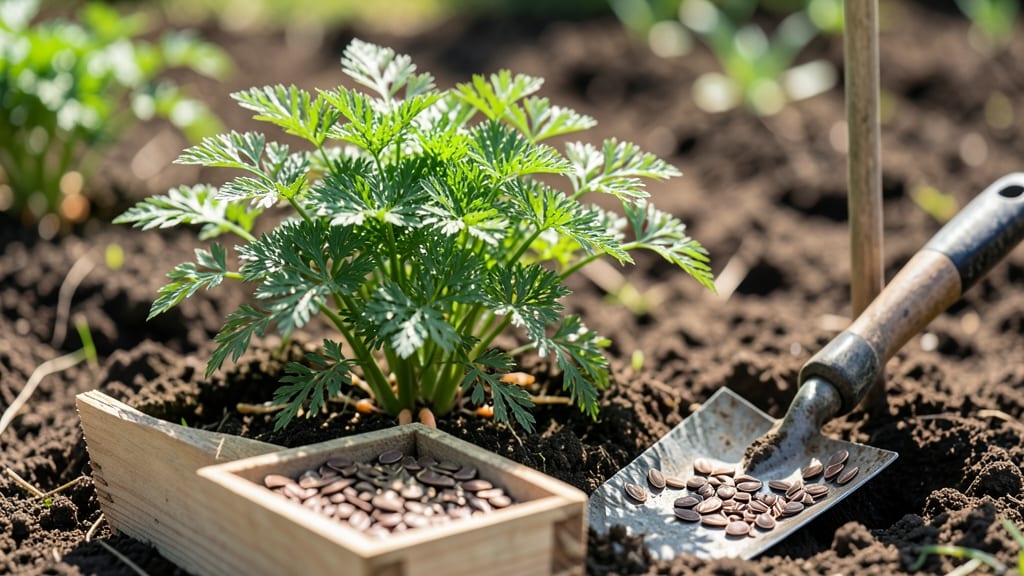
Planting carrots in Zone 6 at the wrong time means either waiting for frost to ruin your tender seedlings or ending up with bitter, woody roots.
The key to crisp, sweet 🥕 every time is knowing exactly when to start seeds—typically 4-6 weeks before your last frost date in early spring and again in late summer.
For most of Zone 6 (6a-6b), that means getting seeds in the ground by mid-March to early April for a spring harvest, or again in late July for a fall crop.
Timing isn’t just about avoiding frost—it’s also about giving your carrots enough cool weather to develop properly before summer heat sets in.
I’ve learned the hard way that rushing planting can lead to leggy, bolted carrots, while waiting too long risks stunted growth. The solution? A simple strategy that aligns with your local frost dates and soil temperatures—plus a few pro tips to extend your growing season if needed.
Whether you’re a beginner or a seasoned gardener, mastering these planting windows will transform your harvest from disappointing to downright delicious. Let’s break it down step by step so you can enjoy homegrown carrots all season long.
Zone 6 carrot planting schedule: exact weeks before last frost for success
Carrots thrive in Zone 6 when planted at the right time—4-6 weeks before your last frost date—which for most of Zone 6 falls between mid-March and early April. This timing ensures seedlings emerge when soil temperatures reach 50-60°F, preventing slow germination or frost damage.
For a second harvest, aim for late July to early August to beat summer heat.
Your exact planting window depends on local frost dates. In Zone 6a (colder), start seeds indoors 6 weeks before last frost or directly sow by late March. In Zone 6b (warmer), you can plant 2-3 weeks earlier, around mid-March.
Always check your average last frost date—most Zone 6 gardeners see it around April 15.
Missed the spring window? Don’t worry! Carrots also grow well in late summer for a fall harvest. Plant 8-10 weeks before your first frost (usually late July in Zone 6) to ensure roots mature before cold sets in.
This second planting gives you two harvests per year—one in summer and another in fall.
Pro tip: Use a seed starting kit or row covers to extend your season. If frost threatens, cover seedlings with frost blankets or move pots indoors temporarily. This trick has saved my early spring plantings more times than I can count!
| Planting Window | Zone 6a Timing | Zone 6b Timing | Key Notes |
|---|---|---|---|
| Early Spring | Late March - Early April | Mid-March - Late March | Soil temp ≥50°F; use row covers if frost risk |
| Late Summer | Late July - Early August | Late July - Early August | 8-10 weeks before first frost; choose fast varieties |
| Succession Planting | Every 2-3 weeks until June | Every 2-3 weeks until June | Stagger plantings for continuous harvest |
| Frost Protection | Row covers or cloches | Row covers or cloches | Extend season by 2-3 weeks |
For succession planting, sow new seeds every 2-3 weeks until mid-June. This ensures a steady supply of fresh carrots throughout summer and early fall.
Just remember: carrots hate being transplanted, so always plant seeds directly in the garden. Use a seed tape or scatter seeds thinly to avoid overcrowding.
Soil temperature is just as critical as frost dates. Carrot seeds won’t germinate well below 50°F. Use a soil thermometer to confirm conditions—if it’s too cold, wait a week or two.
I once planted in 45°F soil and spent weeks waiting for sprouts, only to give up and replant. Don’t make my mistake!
In Zone 6, fall-planted carrots often outperform spring ones because cooler weather prevents woodiness. Aim to harvest before first frost (usually mid-October), but many varieties tolerate light frosts.
If you’re unsure, dig a few test carrots in late September—you’ll know they’re ready when roots reach 3/4 to 1.5 inches in diameter.
One final tip: mulch heavily after planting to retain moisture and suppress weeds. I use straw mulch, which keeps soil cool and prevents carrots from bolting in summer heat. This simple step has doubled my harvest in past seasons!
Now that you’ve got the timing down, your next challenge is choosing the right varieties for Zone 6’s climate. Stay tuned for my next section on fast-growing vs. cold-hardy carrots—some types thrive in early spring while others bolt in summer heat. 🥕
How to adjust carrot planting for Zone 6’s hot summers: avoid woody roots
Zone 6’s summer heat is the #1 enemy of sweet, crisp carrots—temperatures above 80°F cause roots to turn woody and bitter. The solution? Strategic planting adjustments that keep your soil cool and moisture levels steady.
Start by choosing shade-tolerant varieties like 'Paris Market' or 'Little Finger', which mature faster in heat. These types can handle partial shade better than standard carrots.
Timing matters just as much as variety. For summer plantings, aim to sow seeds by late July so roots mature before September’s heat peaks. This gives you 8-10 weeks of growth before first frost.
If you must plant earlier, use row covers during the hottest afternoons to reduce soil temperature by 10-15°F. I’ve seen this trick extend the growing season by 3-4 weeks in my garden.
Soil moisture is your secret weapon against woody roots. Carrots need consistent, deep watering—never let the soil dry out completely. In summer, water early in the morning to reduce evaporation, and use drip irrigation to keep leaves dry.
Overhead watering can lead to fungal issues like leaf blight, which stresses plants and makes them more prone to bolting.
Soil temperatures above 85°F trigger bolting (flowering) and woodiness. Test your soil with a thermometer—if it’s too hot, wait or use shade cloth. Mulch with straw to keep roots cool and moist.
Pro move: Plant in raised beds filled with sandy loam—this drains faster and stays cooler than heavy clay.
Another game-changer is succession planting with fast varieties. Choose types like 'Early Nantes' or 'Danvers Half Long', which mature in 50-60 days. Plant these in early July for a harvest before the worst heat arrives.
For a second crop, try 'Sugar Snap' varieties—they tolerate heat slightly better than standard carrots.
If you’re determined to grow carrots in peak summer, consider container gardening. Pots heat up faster than garden beds, but you can control moisture and shade easily. Use 5-gallon buckets with well-draining potting mix, and place containers in partial shade during the hottest hours.
This method has saved my summer plantings from turning woody more times than I can count!
Finally, avoid fertilizing during summer heat—too much nitrogen encourages leafy growth at the expense of root development. Instead, focus on organic mulch like grass clippings or compost to feed the soil slowly. I’ve found that fish emulsion applied in early summer gives just enough nutrients without overheating the roots.
With these adjustments, you can grow crisp, sweet carrots even in Zone 6’s hottest months. Next up: Discover the best carrot varieties for your climate—some are built to handle heat while others shine in cool weather. 🥕