
Planting
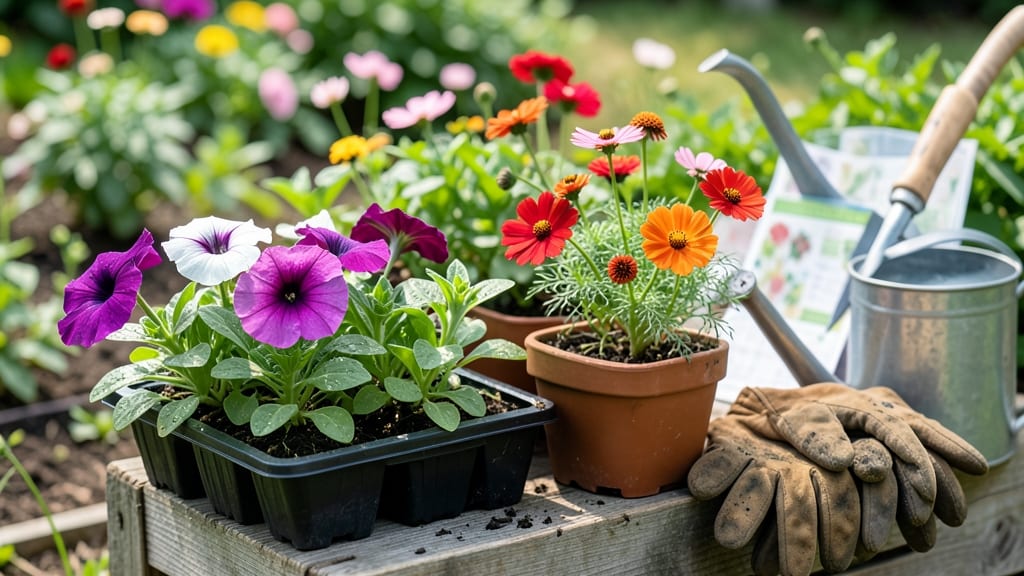
Planting flowers in Ohio isn’t just about grabbing seeds and sticking them in the ground—timing matters more than you’d think. With last frost dates shifting from mid-April in southern Ohio to late April in the north, getting it wrong can mean wilted blooms or missed summer color.
The good news? A little strategy turns guesswork into a garden full of 🌸.
Whether you’re in USDA Zone 6a or 6b, the right window for planting depends on the flower type. Cool-season annuals like pansies can handle early spring soil, while heat-loving marigolds need to wait until after May’s last frost.
I’ll break down exactly when to plant each variety—so you can avoid the common mistakes that leave gardens looking half-empty.
You’ll also discover how to stretch your planting season with simple tricks, like using row covers or choosing cold-hardy varieties. By the end, you’ll know not just when to plant, but how to give your flowers the best start—whether you’re working with backyard beds or container gardens.
Let’s get those blooms growing!
Ohio’s climate can be tricky, but with the right timing, your garden will thrive. From perennials that return year after year to annuals that burst with color, this guide covers it all. No more second-guessing—just a clear, science-backed schedule tailored to your zone. Ready to transform your outdoor space?
Ohio flower planting calendar by frost Zone (2023-2024)
Ohio’s USDA hardiness zones 5a-7a create a 3-week difference in frost dates between northern and southern regions. For example, Toledo (5b) typically sees its last frost around April 15, while Columbus (6a) waits until April 25.
This variation means your flower planting window shifts dramatically—sometimes by weeks—depending on where you live.
To navigate this, I’ve broken down Ohio into 5 key frost zones and mapped out the ideal planting months for both cool-season flowers (like pansies and sweet peas) and warm-season blooms (such as marigolds and zinnias).
Whether you’re in Cincinnati (6a) or Youngstown (5b), this calendar ensures you plant at the perfect time for vibrant, long-lasting blooms.
Pro Tip: Use your local Cooperative Extension office’s frost date data to fine-tune these timelines. For instance, 2023’s late April frost in northern Ohio delayed many gardeners by 2 weeks—something to watch for in 2024.
| Frost Zone | Last Frost Date | First Frost Date | Cool-Season Flowers (Plant) | Warm-Season Flowers (Plant) |
|---|---|---|---|---|
| 5a (Toledo, Youngstown) | April 15 | October 10 | March 15-April 15 | May 1-June 1 |
| 5b (Akron, Mansfield) | April 20 | October 15 | March 20-April 20 | May 10-June 10 |
| 6a (Columbus, Dayton) | April 25 | October 20 | March 25-April 25 | May 15-June 15 |
| 6b (Cincinnati, Lexington) | April 30 | October 25 | April 1-May 1 | May 20-June 20 |
| 7a (Southern Ohio) | May 5 | November 1 | April 10-May 10 | June 1-June 30 |
For cool-season flowers like pansies, sweet peas, and snapdragons, planting 4-6 weeks before your last frost date gives them time to establish roots. In Zone 5a, that means starting seeds indoors by March 1 or sowing directly in early March.
These hardy annuals can even handle light frosts once established, making them ideal for Ohio’s unpredictable springs.
On the other hand, warm-season flowers such as petunias, marigolds, and zinnias need soil temperatures above 60°F to thrive. In Zone 6a (Columbus), wait until May 15 to plant these tender varieties.
If you plant too early, they’ll languish or rot in cool soil. I’ve seen petunias in my Dayton garden fail miserably when planted before Memorial Day—always worth the wait!
Don’t overlook fall planting for Ohio gardeners! Many annuals and perennials thrive when seeded in late summer (August-September), giving them time to establish before winter. Cosmos and bachelor’s buttons are two of my favorite late-season bloomers that reward patient gardeners with fall color when most gardens are winding down.
To stay on track, I recommend marking your last frost date on a garden calendar and setting reminders for 6-8 weeks before that date for fall plantings. This simple habit has saved my zinnias and sunflowers from early frost damage more times than I can count.
One final tip: If you’re in a transition zone (like Zone 6a/6b), err on the side of planting later for warm-season flowers.
I learned this lesson the hard way in 2022 when a late May frost in Cincinnati wiped out my impatiens—now I wait until June 1 for those heat-lovers.
Ready
Best flowers to plant in Ohio by season (with frost tolerance guide)
Ohio’s cool springs and warm summers create the perfect stage for a dazzling flower garden—but not all blooms thrive in the same conditions. Some, like pansies and snapdragons, can handle early spring’s chill, while others, like petunias and geraniums, need to wait until the soil warms.
Here’s my curated list of the top-performing flowers for Ohio, organized by season and frost tolerance.
For spring planting (March–April), focus on cold-hardy annuals that tolerate light frosts. These include pansies, violas, and snapdragons, which can handle temperatures down to 25°F.
Perennials like peony and bearded iris also do well when planted in early spring, as they establish roots before summer heat arrives.
🌱 Spring Planting (March–April)
- ✅ Pansies: Tolerates 25°F, blooms in cool weather
- ✅ Snapdragons: Thrives in 40–75°F, great for containers
- ✅ Sweet Alyssum: Cold-hardy, attracts pollinators
- ✅ Peony (perennial): Plant in early spring for best root growth
⚠️ Summer Planting (May–June)
- ❌ Petunias: Needs 55°F+ soil, sensitive to frost
- ❌ Marigolds: Plant after last frost, loves heat
- ❌ Zinnias: Wait until May in northern Ohio
- ❌ Geraniums: Thrives in full sun, avoid damp soil
🍂 Fall Planting (August–September)
- ✅ Cosmos: Self-seeds, loves warm soil
- ✅ Black-Eyed Susan: Perennial, drought-tolerant
- ✅ Aster: Blooms late summer, attracts butterflies
❄️ Frost-Sensitive Picks
- 🔥 Impatiens: Never plant before May 15
- 🔥 Begonias: Needs 60°F+ soil, use row covers
- 🔥 Dahlias: Start indoors in March, transplant after frost
If you’re in USDA Zone 6a (northern Ohio), wait until after May 1 to plant heat-loving annuals like marigolds and zinnias. In Zone 6b (southern Ohio), you can push those varieties back to mid-April. Pro tip: Use row covers to extend the season for frost-sensitive blooms like petunias.
For fall planting (August–September), opt for cool-season bloomers like cosmos and asters. These handle Ohio’s first frosts (mid-October) better than summer favorites. Perennials like coneflower and black-eyed Susan also do well when planted in early fall, giving them time to establish roots before winter.
Remember, soil temperature matters just as much as air temperature. Use a soil thermometer to confirm it’s 60°F+ before planting tender annuals. In my garden, I’ve seen petunias fail when planted too early—even if the air feels warm, cold soil can stunt growth.
Stick to this guide, and your Ohio garden will burst with color from spring to frost.