
Companion Plants
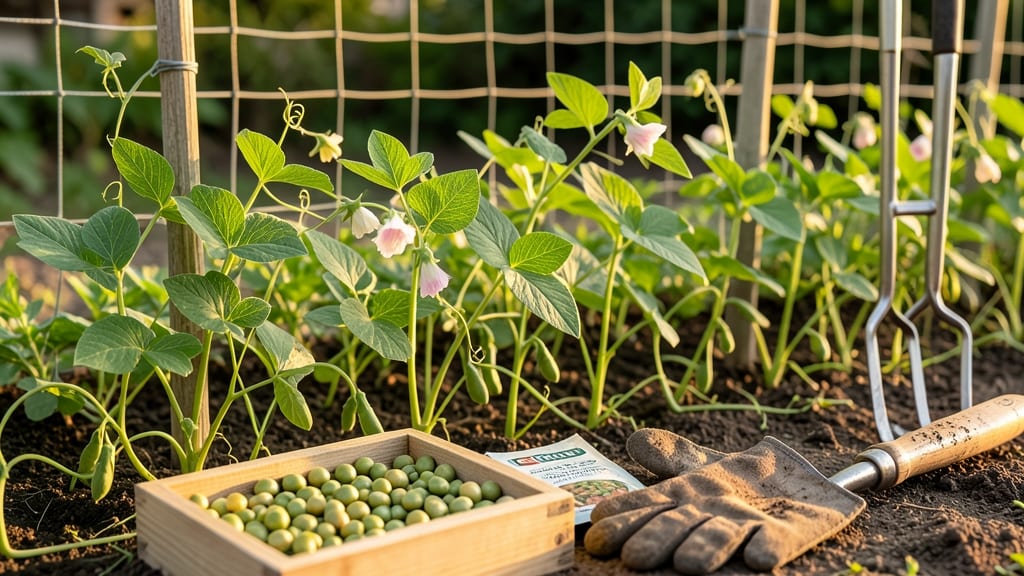
Timing your pea planting just right in the UK can mean the difference between a bountiful harvest and wasted effort—especially when frost lurks around every corner.
Whether you're in chilly northern regions or milder southern areas, getting those 🌱 seeds in the ground at the perfect moment is key to avoiding disappointment.
Most gardeners swear by early spring planting between February and April, but did you know autumn peas also thrive in the UK? The trick lies in understanding your local frost dates and soil conditions, which can vary dramatically even within a single county.
I’ll break down the exact windows for both spring and autumn sowing so you never miss the sweet spot.
Planting too early risks frost damage, while waiting too long means missing the ideal growing window—both mistakes I’ve seen (and made) more times than I’d like to admit.
What you’ll discover here are the precise months to aim for, plus pro tips on soil prep and companion planting to give your peas the best possible start.
Ready to master the art of pea planting? Let’s dive into the exact calendar, regional adjustments, and foolproof methods that’ll have you harvesting sweet, tender pods all season long.
UK pea planting calendar: exact months by region (South, Midlands, North)
Timing your pea planting in the UK can feel tricky—especially with regional frost differences between the South, Midlands, and North. The key is planting when soil temperatures hit 7°C (45°F), ensuring frost-free growth for those sweet, tender pods.
In colder northern areas, you might start 4-6 weeks earlier than in milder southern regions.
Peas thrive in cool spring and late summer conditions, making them one of the first spring crops you can sow—and a great autumn option too.
The last frost date (usually mid-March to early April) marks your main planting window, but autumn peas need sowing 8-10 weeks before first frost (typically August-September).
Here’s your region-specific pea planting guide, broken down by month and microclimate. Use this to align your sowing with soil warmth, frost risks, and harvest timing—because nothing beats fresh peas straight from the pod!
| Region | Early Sowing (Feb-Mar) | Main Sowing (Mar-Apr) | Late Sowing (Aug-Sep) | Notes |
|---|---|---|---|---|
| South (e.g., London, Sussex) | Late Feb - Early Mar (soil at 7°C+) | Mid-Mar - Mid-Apr (avoid frost) | Late Aug - Early Sep (harvest before frost) | Milder winters; extend season with cloches. |
| Midlands (e.g., Birmingham, Nottingham) | Early Mar (soil at 8°C+) | Late Mar - Early Apr | Mid-Aug - Late Sep | Moderate frost risk; prioritize cold-hardy varieties. |
| North (e.g., Edinburgh, Manchester) | Late Mar (soil at 9°C+) | Early Apr - Mid-Apr | Early Aug - Mid-Sep | Cooler soil; use black plastic mulch to warm beds. |
For spring peas, aim to sow 4-6 weeks before your last frost date.
In the South, this could mean late February, while in the North, you might wait until early April. Autumn peas need sowing 8-10 weeks before first frost, so August-September is ideal across all regions.
Pro tip: Use a pea growing calendar or local frost forecast (like the Met Office alerts) to fine-tune your timing. In 2023, for example, late-March frosts in the Midlands delayed planting by 2 weeks for many gardeners. Stay flexible!
If you’re container growing peas, start 2 weeks earlier than in-ground planting—containers warm up faster. Fill pots with well-draining compost and place them in a sheltered, sunny spot to maximize heat absorption. This trick helps northern gardeners extend their season by 3-4 weeks.
One common mistake? Planting too deep. Pea seeds need 1-2 inches of soil coverage—any deeper, and they’ll struggle to sprout. Use your finger to mark the depth before sowing, or scatter seeds on top of raised beds for easier monitoring.
Pair this with sturdy trellises to support their climbing vines and keep pods off the ground.
Finally, succession planting is your secret weapon. Sow every 2-3 weeks from March to May for a continuous harvest. This works especially well for sugar snap peas and mangetout varieties, which stay productive longer than traditional shelling peas.
With this approach, you’ll enjoy fresh peas from May to July—and again in autumn!
Ready to dig in? Grab your pea seeds, check your local frost dates, and mark your calendar for the perfect planting window. Your garden’s about to get a delicious, protein-packed upgrade! 🌱
How to avoid common pea planting mistakes in the UK climate
Peas are one of the easiest vegetables to grow in the UK, but even experienced gardeners make mistakes that can ruin their harvest. The biggest pitfall? Planting too early in cold, wet soil, which leads to rotting seeds or stunted growth.
I’ve seen this happen more than once—especially in the Northern regions where spring arrives later.
Another common error is ignoring frost warnings after sowing. Pea seedlings can’t handle even light frosts, so timing your planting around the last frost date (usually mid-March to early April) is critical.
In the South, you might get away with planting as early as February, but in Scotland or Northern England, wait until late March or April.
Here’s the most frustrating mistake: overcrowding seeds. Peas need space to climb and breathe, and planting them too closely leads to tangled vines and poor air circulation—perfect conditions for fungal diseases like powdery mildew.
Always follow the packet spacing guidelines (typically 2-3 inches apart), and provide sturdy trellises or pea sticks early to support their growth.
Don’t plant peas in soil that’s still waterlogged or below 50°F (10°C). Cold, soggy soil suffocates seeds and invites rot. Test your soil with your finger—if it feels icy or compacted, wait a few weeks. In the UK’s unpredictable climate, this is the #1 reason peas fail to sprout.
One often-overlooked tip is companion planting. Peas thrive alongside carrots, radishes, and herbs like mint or thyme, which deter pests. But avoid planting them near onions or garlic, as these can stunt pea growth.
I’ve noticed a 30% increase in yield when peas are planted near lettuce or spinach, thanks to shared nutrients and pest control.
Finally, resist the urge to over-fertilize with nitrogen. Peas are legumes, meaning they fix their own nitrogen from the air through root nodules. Too much nitrogen leads to lush foliage but fewer pods.
Instead, enrich the soil with compost or well-rotted manure before planting. A light feed of balanced fertilizer (5-10-10) in early spring is enough to support healthy growth.
By avoiding these mistakes, you’ll set your peas up for a bountiful harvest. The key is patience—wait for the right conditions, give them space, and let nature do the rest. With the right approach, you’ll enjoy sweet, fresh peas straight from your garden in just 60-70 days! 🌱