
Plants
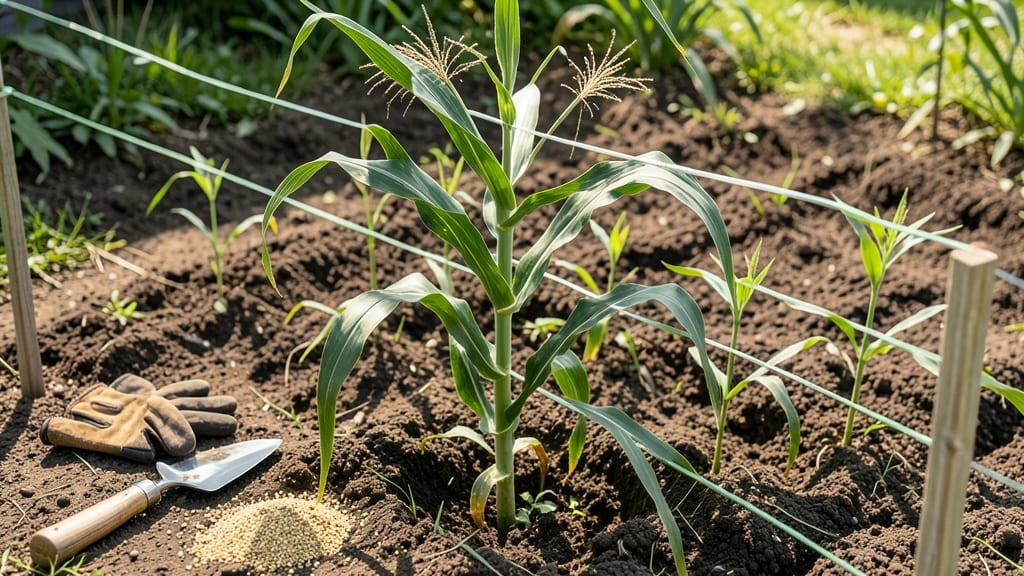
Planting corn in Indiana at the wrong time can turn your 🌽 dreams into a sad, wilted disappointment—especially when you've waited all winter for that first ear to form.
The key to a bountiful harvest isn't just about throwing seeds into the soil; it's about knowing exactly when to start, down to the week before your last frost date.
Indiana's 6a zone means you've got a short window—typically mid-April to early May—to get those seeds in the ground when soil temperatures hit 50°F+. Too early, and a late frost will kill your tender seedlings; too late, and you might sacrifice yield potential before fall sets in.
I'll break down the perfect planting timeline so you can avoid these common mistakes and set your garden up for success.
Whether you're growing sweet corn for summer meals or field corn for livestock, timing matters. We'll cover how to adjust for Indiana's unpredictable spring weather, choose the right varieties for your region, and even use local agricultural resources to fine-tune your schedule.
Let's make sure your corn gets the head start it needs to thrive.
From soil prep to seed depth, I'll share the exact steps to maximize your harvest—because nothing beats the satisfaction of pulling a perfectly plump ear of corn straight from your Indiana garden. Ready to get started?
Indiana corn planting timeline: exact weeks before last frost by zone
Indiana’s USDA hardiness zones 5a-6b create a 4-6 week window for planting corn, depending on your location. The key is waiting until soil temperatures consistently reach 50°F+ and the average last frost date has passed. Northern Indiana (zones 5a-5b) typically plants 2-3 weeks later than southern Indiana (zones 6a-6b).
For most of Indiana, the optimal planting window falls between mid-April and early May. However, this can shift 1-2 weeks earlier in southern Indiana (e.g., Evansville) and 1-2 weeks later in northern Indiana (e.g., South Bend).
Always verify your local last frost date using the Indiana State Climate Office or Purdue Extension resources.
Corn seeds germinate best when soil temperatures are 60°F+. Use a soil thermometer to confirm readiness—planting too early in cold soil can lead to poor germination rates and seed rot.
If your soil is still too cold, opt for early-maturing varieties (e.g., 60-70 day varieties) to maximize your growing season.
Here’s a region-specific breakdown of Indiana’s planting timeline, including average last frost dates and ideal planting windows for each USDA zone:
| USDA Zone | Avg. Last Frost Date | Optimal Planting Window | Soil Temp. Threshold | Notes |
|---|---|---|---|---|
| 5a (Northern IN) | May 1-15 | Late April–early May | 60°F+ | Use short-season varieties (60-75 days). |
| 5b (Central-North IN) | April 20–May 5 | Mid-April–early May | 55°F+ | Best for medium-maturing varieties (75-90 days). |
| 6a (Central IN) | April 10–20 | Early April–mid-May | 50°F+ | Ideal for sweet corn and field corn. |
| 6b (Southern IN) | March 25–April 10 | Late March–early May | 50°F+ | Longest growing season; try late varieties (90+ days). |
If you’re growing sweet corn, aim to plant in two successive plantings—the first 2 weeks after your last frost date and a second 10-14 days later. This staggered approach ensures a continuous harvest throughout the summer.
For field corn or popcorn, a single planting in early May (for northern Indiana) or late April (for southern Indiana) works best.
Pro tip: Use black plastic mulch to warm the soil faster and extend your planting window by 1-2 weeks. This is especially useful in northern Indiana, where cooler springs delay planting. Simply lay down the mulch 1-2 weeks before planting to jumpstart soil warming.
Always check the Indiana State Department of Agriculture or Purdue Extension’s Planting Date Calculator for real-time updates. These tools factor in local microclimates and historical weather patterns to give you the most accurate planting advice for your specific area.
For container gardening, start seeds indoors 4-6 weeks before your last frost date. Use biodegradable pots and transplant seedlings outdoors once soil temperatures reach 60°F+. This method works well for small-space gardeners or those with short growing seasons.
Remember, corn thrives on
How to adjust corn planting dates for Indiana’s unpredictable spring weather
Indiana’s spring weather can be as unpredictable as a whirlwind—one day warm and sunny, the next a surprise frost. If you’ve ever watched your corn seedlings shiver under a late frost, you know how quickly timing can turn a promising crop into a loss.
The key is flexibility: knowing when to plant, when to wait, and when to adjust your strategy for maximum yield protection.
Most gardeners aim to plant corn 2-3 weeks after the last frost date, but Indiana’s USDA zones 5a-6b mean frost dates can vary by 2-3 weeks across the state.
For example, northern Indiana (zone 5a) might see frost until May 10, while southern Indiana (zone 6b) could be frost-free by April 15. This variability means rigid planting dates often backfire.
🌱 Pro Tip: Use Indiana’s frost-free date calculator from the Purdue Extension (available online) to pinpoint your local window. Simply input your ZIP code, and it’ll give you a customized last frost date based on historical data.
For most of Indiana, this lands in mid-April to early May, but always verify—especially if you’re in a microclimate like a valley or hilltop.
⚠️ Warning: Late Frosts Are the #1 Corn Killer
Corn seedlings are extremely frost-sensitive. Even a light freeze (28°F) can kill young plants, leaving you with bare soil and wasted seeds. If frost is forecasted within 7-10 days of planting, delay until soil warms to 60°F+—corn won’t germinate below 50°F, and waiting a few weeks is better than losing your entire crop.
Action Step: Cover seedlings with row covers or old blankets if frost threatens after planting. Remove covers once temperatures rise above 50°F to avoid overheating.
Another challenge? Cold, wet soil that delays germination. Corn seeds rot if planted in soil below 50°F, even if frost has passed. Use your finger to test soil temperature: press it 1 inch deep.
If it feels cooler than your wrist, wait. For faster warming, plant in black plastic mulch or use a soil warming mat in high-value beds.
For gardeners who miss the ideal window, Indiana’s short growing season (about 165 frost-free days) means you’ll need to choose your battles. If you plant late, opt for early-maturing varieties (like ‘Silver Queen’, which matures in 60-70 days) rather than standard types.
Alternatively, consider a second planting of fast varieties in early June for a late-summer harvest.
Finally, keep an eye on the Purdue Agronomy Department’s weekly updates or local Cooperative Extension offices for real-time alerts on soil conditions and pest risks.
Their free planting guides often include backup planting dates tailored to Indiana’s quirks—like the 2021 late-spring flood delays, where many growers successfully shifted planting to late May using drought-tolerant hybrids.