
Plants
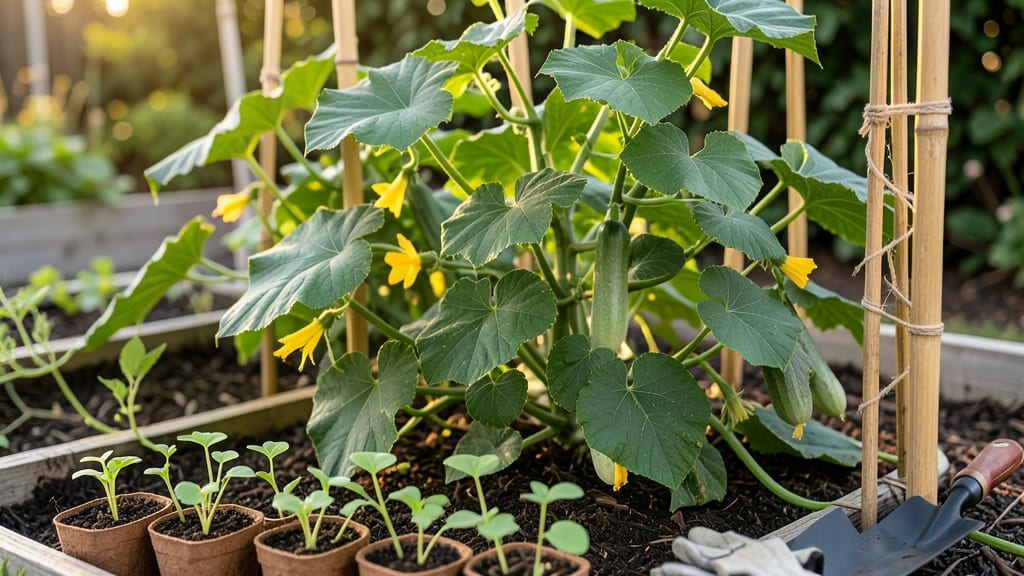
Planting cucumbers in Michigan isn't just about grabbing seeds and tossing them into the dirt—it's about catching that narrow window between frost and summer heat when your 🥒 plants will thrive.
The difference between a bumper crop and a sad, wilted vine often comes down to timing, especially when Michigan's 5b-6b zones play by their own rules.
Most gardeners here wait until mid-April to early June to plant after the last frost, but that's just the starting point. Whether you're growing bush varieties that stay compact or vining types that need trellises, soil temperature matters more than calendar dates.
We're talking 60°F+ before you even think about sticking those seeds in the ground.
I've learned the hard way that rushing cucumbers can mean stunted growth or worse—frost damage. But with the right variety and a little planning, you can stretch that harvest from June all the way through September.
Let me show you exactly how to time it right for your corner of Michigan.
From heat-tolerant hybrids to extending seasons with row covers, we'll cover all the tricks that actually work. Ready to grow cucumbers that make your neighbors jealous? Let's get started.
Michigan cucumber planting dates by last frost date (zone-specific guide)
Michigan’s USDA zones 5b-6b create a 3-4 week difference in frost-free dates across the state. In northern zone 5b, gardeners typically wait until mid-May to plant cucumbers, while southern zone 6b gardeners can start as early as late April.
The key is waiting for soil temperatures to reach 60°F+ and nighttime temps above 50°F.
Cucumbers are warm-season crops that won’t tolerate frost, so timing is critical. A late spring frost in April or May can wipe out young plants, while planting too late reduces your harvest window.
Michigan State University Extension recommends using row covers or black plastic mulch to extend the season in cooler zones.
For direct seeding, plant cucumbers 1-2 weeks after your area’s last frost date. In zone 5b, that’s usually May 15-30, while zone 6b gardeners can start April 20-May 10.
If you’re starting indoors, begin seeds 3-4 weeks before your last frost date for transplanting after the danger of frost has passed.
Bush varieties like 'Bush Champion' mature faster (50-55 days) and can handle slightly cooler soils, making them ideal for northern Michigan. Meanwhile, vining types such as 'Straight Eight' need 60+ days and warmer conditions, so they’re better suited for southern Michigan’s longer growing season.
Here’s how Michigan’s frost-free dates break down by region and what it means for your planting schedule:
| USDA Zone | Avg. Last Frost | Direct Seed Window | Indoor Start Window | Best Varieties |
|---|---|---|---|---|
| 5b (Northern MI) | May 10-20 | May 15-30 | April 15-May 1 | Bush Champion, Marketmore 76 |
| 6a (Central MI) | April 25-May 10 | May 1-15 | April 1-15 | Straight Eight, Lemon Cucumber |
| 6b (Southern MI) | April 10-20 | April 20-May 10 | March 15-April 1 | Suyo Long, Armenian Cucumber |
If you’re in zone 5b and want to extend your harvest, consider using row covers or black plastic mulch to warm the soil faster. These methods can push your planting window 1-2 weeks earlier and delay fall frost damage by keeping plants warmer.
For example, in Traverse City (zone 5b), gardeners often plant cucumbers April 25-May 10 with row covers.
For late-season harvests, try succession planting every 2 weeks from May through June. This ensures a continuous supply of cucumbers until early fall. In southern Michigan (zone 6b), you can even plant a second crop in July for a late-summer harvest before frost arrives.
Always check your local Almanac’s frost dates or use the Michigan State University Planting Calendar for your specific county. These resources provide hyper-localized advice that can make a huge difference in your cucumber yield.
For example, Detroit (zone 6b) can safely plant cucumbers 2 weeks earlier than Marquette (zone 5a).
Pro tip: Use a soil thermometer to confirm soil temps are 60°F+ before planting. Cucumber seeds won’t germinate in cold soil, and waiting ensures healthier, faster-growing plants. If your soil is still cool, opt for bush varieties or use black plastic mulch to warm it up.
Michigan cucumber planting dates by last frost date (zone-specific guide)
Michigan’s USDA zones 5b-6b create a 3-4 week difference in frost-free dates from the Upper Peninsula to southern regions. For cucumber success, align planting with your last average frost date—typically mid-April to early May—while ensuring soil stays above 60°F for germination.
Northern Michigan (zone 5b) gardeners should wait until late May for direct sowing, while southern areas (zone 6b) can plant as early as mid-April under row covers. Vining varieties like 'Straight Eight' need more time to mature, so start them 2-3 weeks earlier than bush types.
🌱
| USDA Zone | Last Frost Date | Direct Sow Window | Transplant Window | Best Varieties |
|---|---|---|---|---|
| 5b (UP) | May 15-20 | Late May | After May 25 | 'Sweet Success,' 'Bush Champion' |
| 5b (Northern) | May 1-10 | Early May | After May 15 | 'Straight Eight,' 'Lemon Cucumber' |
| 6a (Central) | April 25-May 5 | Mid-April | After April 20 | 'Marketmore 76,' 'Diva' |
| 6b (Southern) | April 15-25 | Late April | After April 10 | 'Sweet Slice,' 'Armenian' |
For extended harvests, consider planting succession crops every 2 weeks after your first planting. In zone 5b, a second planting in early July can yield cucumbers until late September before frost hits. Always use black plastic mulch to warm soil faster in cooler zones.
If your soil temperature lags behind air temperature, opt for heat-tolerant varieties like 'Tyria' or 'Corinto,' which thrive in 70-95°F ranges. These perform better in northern Michigan where summers can be cooler.
🌡️
Pro tip: Use a soil thermometer to confirm 60°F+ soil temps before planting. Cold soil delays germination by 1-2 weeks, shrinking your harvest window. In zone 6b, you can even start early varieties in greenhouses by early April for a jumpstart.