
Plants
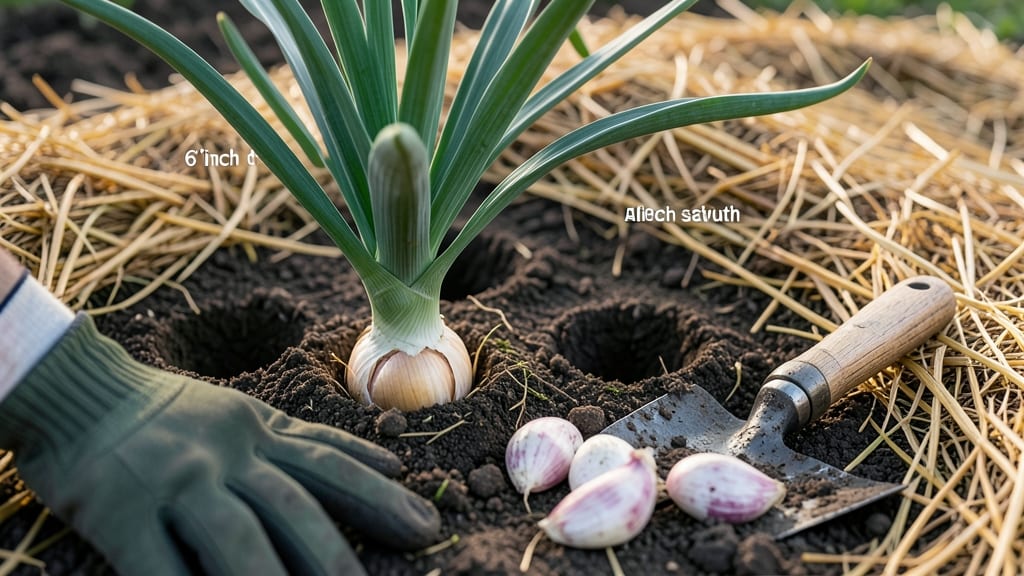
Planting garlic in California isn’t just about tossing cloves into the dirt—it’s about timing your 🧄 harvest to outsmart the state’s microclimates, whether you’re in frost-free coastal zones or inland valleys where temperatures dip just enough to matter.
Most gardeners assume garlic only goes in the ground in fall, but California’s mild winters actually let you plant twice a year—once in late fall (October-December) and again in early winter (January-February).
The key? Understanding whether you’re growing hardneck (for cooler inland areas) or softneck (perfect for coastal year-round planting).
I’ve tested both methods across 9a-10b zones, and the difference between a 6-month harvest and a flop often comes down to soil temperature, not just calendar dates. Let me show you exactly when to plant for maximum bulbs—plus how to adjust for your specific corner of the state.
Ready to grow garlic that rivals the farmers’ markets? Here’s your no-fail schedule for California’s two planting windows, regional tweaks, and the one mistake that wipes out entire crops.
California garlic planting calendar: hardneck vs softneck months by region
California’s diverse microclimates mean you can’t just follow a one-size-fits-all planting schedule for garlic. Unlike colder states, frost isn’t the main concern—instead, it’s soil temperature and daylight hours that dictate the best time.
Hardneck varieties need cold vernalization to form bulbs, while softnecks grow year-round but thrive in cooler months. Let’s break it down by region and variety.
For Northern California (USDA Zones 7-9), your ideal planting window is October through December. This gives hardneck garlic enough time to establish roots before mild winter temperatures kick in.
In Southern California (Zones 9-10), where winters are even milder, you can plant throughout fall and early winter, even up to February for softnecks.
Here’s where it gets tricky: Coastal areas like Santa Cruz or San Francisco may experience cooler, foggier winters, while inland valleys like the Central Valley can see warmer spells.
Adjust your timing based on soil temps—aim for 40-60°F at planting depth (2-4 inches deep). Use a soil thermometer to check if you’re unsure.
🌱
If you’re growing hardneck garlic, prioritize Northern California or higher-elevation areas where temperatures dip below 50°F for at least 6-8 weeks. Varieties like ‘German White’ or ‘Music’ perform best here.
For softneck garlic, Southern California gardeners can plant three batches: fall, winter, and early spring for a continuous harvest.
Pro tip: Use the USDA Plant Hardiness Zone Map to refine your timing. For example, Zone 9a (like Sacramento) can handle hardnecks planted by November 15, while Zone 10b (like San Diego) should delay until December to avoid heat stress.
Always check local frost dates, even in California—unpredictable cold snaps can still occur in higher elevations.
For container gardening, adjust your schedule 1-2 weeks earlier since pots warm up faster. Place containers in shaded areas during peak summer to prevent bolting. And remember: organic matter like compost improves soil drainage, which is critical in California’s clay-heavy soils.
🌿
One common mistake is assuming “earlier = better”. Planting too early in Southern California can lead to premature sprouting or bolting (when garlic sends up a flower stalk). Instead, wait until soil temps drop below 70°F—this signals garlic to focus on bulb development rather than leaf growth.
Use a moisture meter to ensure soil stays consistently damp but not soggy during establishment.
Finally, label your rows! Hardneck and softneck garlic look nearly identical until harvest.
Hardnecks produce scape stalks (edible shoots) in spring, while softnecks don’t. If you’re experimenting with heirloom varieties, note that some (like ‘Silverskin’) store longer than others, making them ideal for California’s year-round market demand.
California garlic planting calendar: hardneck vs softneck months by region
California’s mild winters and diverse microclimates mean you can grow garlic almost year-round—but timing still matters. Hardneck varieties (like ‘Silverskin’ or ‘Rockstar’) need cold exposure to form bulbs, while softneck types (like ‘Artichoke’) adapt better to warmer winters.
In Northern California (Zones 9a-10a), plant hardnecks in October–November for a spring harvest, while Southern California (Zones 10b+) gardeners can extend planting into January–February.
For softneck garlic, the rules change entirely. Since they don’t require cold, you can plant them in three batches: fall (September–October), winter (December–January), or even early spring (February–March). This stretch-and-repeat strategy lets you harvest fresh garlic year-round—a game-changer for California’s 300+ frost-free days.
| Variety | Northern CA (Zones 9a-10a) | Southern CA (Zones 10b+) | Harvest Window |
|---|---|---|---|
| Hardneck | Oct–Nov | Jan–Feb | June–July |
| Softneck | Sep–Oct, Dec–Jan, Feb–Mar | Sep–Oct, Dec–Jan, Feb–Mar | Oct–Dec (staggered) |
Pro tip: Use the USDA Plant Hardiness Zone Map to fine-tune your schedule. Coastal areas (like San Francisco) stay milder, so you can plant 2–4 weeks later than inland spots (like Sacramento). Always check soil temps—ideal planting temps are 40–50°F for hardnecks and 55–65°F for softnecks.
If you’re in Zone 10b+ (e.g., Los Angeles, San Diego), skip hardnecks entirely—they’ll bolt (flower) prematurely. Instead, focus on softneck varieties, which store longer and thrive in warm winters. For hardnecks in milder zones, try ‘German White’ or ‘Creole’, which tolerate slightly warmer winters.
One more trick: Mulch heavily after planting to regulate soil temps. In cooler inland valleys, use straw to protect cloves from unexpected frost. In coastal fog belts, reduce mulch to avoid overheating. The goal? Keep soil temps steady—no wild swings—for consistent bulb development.
For a foolproof harvest, mark your calendar: Northern CA hardnecks are ready by late June, while Southern CA softnecks can be harvested as early as October if planted in September. Stagger your plantings to enjoy garlic every 2–3 months—no more waiting for a single harvest!