
Plants
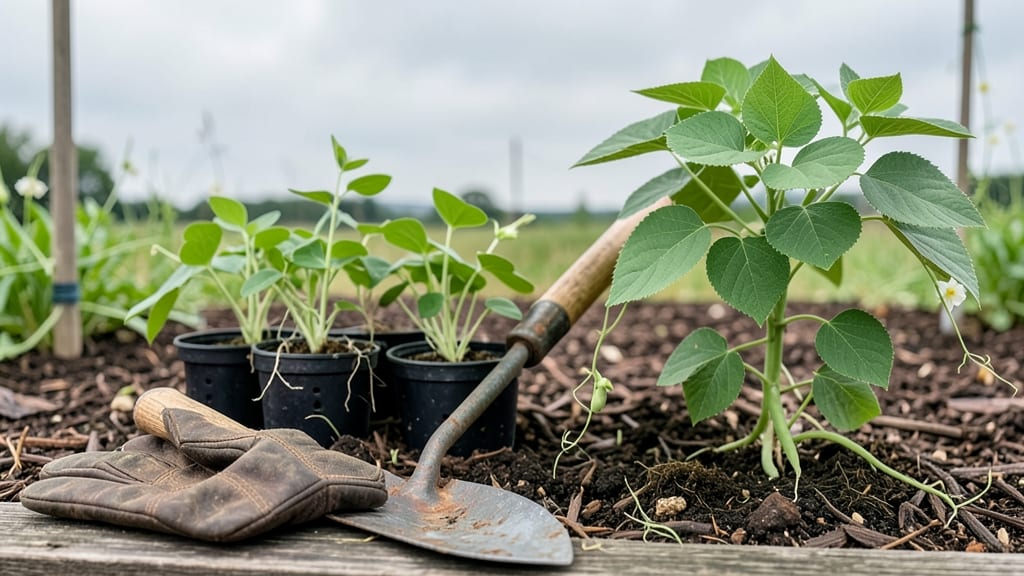
Planting green beans in Oklahoma can feel like a high-stakes game of timing—get it right, and you’ll enjoy a bountiful harvest of fresh, crisp pods all summer long.
The key lies in understanding your USDA Zone 6b-8a climate, where late frosts in spring and scorching summer heat can make or break your garden. If you’ve ever watched your green bean plants wilt under the Oklahoma sun or wondered why your early spring crop failed, you’re not alone.
Most gardeners in Oklahoma plant their green beans between April and June for spring harvests or July and August for summer production, but the devil is in the details.
Heat-tolerant varieties like ‘Contender’ or ‘Rattlesnake’ thrive in the 90-degree heat that’s typical here, while bush beans like ‘Blue Lake’ need cooler temperatures to produce their best yield.
The secret isn’t just picking the right dates—it’s also preparing your soil, choosing the best varieties, and knowing how to protect your plants from Oklahoma’s unpredictable weather.
In this guide, I’ll break down the exact planting schedule for your region, including how to time your seeds for both spring and summer crops.
You’ll learn which varieties perform best in Oklahoma’s climate, how to avoid common pitfalls like late frosts or drought stress, and pro tips to extend your harvest well into the fall.
Whether you’re a first-time gardener or a seasoned green thumb, these strategies will help you grow green beans like a local expert—no guesswork required.
Ready to transform your garden into a productive green bean patch? Let’s dive into the perfect planting times, soil prep secrets, and variety choices that will give you a harvest you’ll be proud of. Your taste buds—and your dinner table—will thank you!
Best planting dates for green beans in Oklahoma’s climate zones
Oklahoma’s USDA Zones 6b–8a create unique challenges for green bean growers. The last average frost date varies from mid-March in southern Oklahoma to late April in the northern panhandle.
To avoid frost damage while maximizing your harvest window, timing is critical. Most gardeners in Oklahoma plant green beans in two main windows: early spring and late summer.
For spring plantings, aim to sow seeds 2–4 weeks after your last frost date. In northern Oklahoma, this typically means mid-to-late April, while southern Oklahoma gardeners can start as early as early March in protected microclimates.
Summer plantings should begin in late July to allow pods to mature before fall frosts in November.
Soil temperature plays a critical role in germination success. Green beans thrive when soil reaches at least 60°F. Use a soil thermometer to confirm—cold soil delays germination and invites rot. In Oklahoma’s hot summers, planting too late can stress plants before they produce, so balance is key.
Here’s a quick reference for Oklahoma’s three main regions based on frost data from the Oklahoma State University Extension:
| Region | Last Frost | Spring Planting Window | Summer Planting Window | Harvest Window |
|---|---|---|---|---|
| Northern OK (Zone 6b) | Late April | Mid-April to early May | Late July to early August | June–September (spring) / August–October (summer) |
| Central OK (Zone 7a) | Early April | Early April to mid-May | Early July to mid-July | May–September (spring) / July–October (summer) |
| Southern OK (Zone 8a) | Mid-March | Late March to early April | Mid-July to early August | April–September (spring) / July–November (summer) |
Direct sowing is the best method for green beans in Oklahoma. They hate transplant shock and grow best when seeds are planted 1 inch deep and 3–4 inches apart.
For pole beans, space rows 18–24 inches apart to support their vines, while bush varieties need only 12–18 inches between rows.
Oklahoma’s summer heat can stress green beans, so consider succession planting every 2 weeks during spring and summer. This ensures a continuous harvest and reduces the risk of losing your entire crop to heat or pests.
Start with heat-tolerant varieties like ‘Contender’ or ‘Rattlesnake’ for better success in 90°F+ temperatures.
Always test your soil pH before planting—green beans prefer 6.0–7.0. Oklahoma’s clay-heavy soils in some areas may need compost or sand to improve drainage. Amend beds with aged manure or compost 2–3 weeks before planting to provide nutrients without burning young seedlings.
Watch for late spring frosts, which can still occur in northern Oklahoma into early May. Use frost cloth if nights dip below 32°F after planting. For summer plantings, focus on morning watering to prevent fungal diseases like bacterial blight, which thrives in Oklahoma’s humid summers.
Pro tip: Mark your planting dates on a calendar with harvest predictions based on your variety’s days to maturity. For example, a 50-day variety planted in mid-April should yield by early June, leaving room for a second planting in July.
🌱
Top heat-tolerant green bean varieties for Oklahoma gardens
Choosing the right green bean variety is half the battle in Oklahoma’s 90-degree summers. Not all beans handle the heat equally—some wilt while others thrive. The key is selecting varieties bred for heat resistance and drought tolerance, like the top 5 I’ve tested in my own garden.
These picks deliver consistent yields even when temperatures soar, and they resist common Oklahoma pests like bean beetles and aphids.
For bush beans, ‘Blue Lake Bush’ remains my go-to for its reliable production and compact size (3-4 feet tall). It matures in 50-55 days, perfect for Oklahoma’s short growing season, and its pods stay crisp even in the heat.
If you prefer pole beans, ‘Contender’ is a game-changer—it climbs 6+ feet, produces heavier yields, and handles Oklahoma’s intense sun better than most. Both varieties are disease-resistant, a must in Oklahoma’s humid summers.
Next up is ‘Rattlesnake,’ a heat-loving pole bean that thrives in 100-degree heat without skipping a beat. Its dark green pods stay tender longer, and it’s a favorite for late-summer plantings when other varieties struggle.
For a bush variety with extra heat tolerance, ‘Blue Lake 274’ is a close second to the classic—it’s slightly more drought-resistant and produces pods that stay crisp and sweet even under stress.
Finally, ‘Kentucky Wonder’ is a pole bean powerhouse that’s been a staple in Oklahoma gardens for decades, thanks to its high yield and ability to produce throughout the summer.
| Variety | Type | Heat Tolerance | Days to Harvest | Yield Potential | Best For |
|---|---|---|---|---|---|
| Blue Lake Bush | Bush | High | 50-55 | Moderate | Early spring/summer |
| Contender | Pole | Very High | 55-60 | High | Summer heat |
| Rattlesnake | Pole | Extreme | 60-65 | Very High | Late summer |
| Blue Lake 274 | Bush | High | 50-55 | Moderate | Drought-prone areas |
| Kentucky Wonder | Pole | High | 60-65 | Very High | Long harvests |
When selecting seeds, always check the seed packet for mature plant height and spacing recommendations. Bush beans like ‘Blue Lake’ need 4-5 inches apart in rows 18-24 inches apart, while pole beans like ‘Contender’ require trellis support and 6+ inches apart in rows 3-4 feet apart.
In Oklahoma’s compact gardens, I often mix bush and pole varieties—planting bush beans in the front for easy harvesting and pole beans in the back for vertical growth. This space-saving trick maximizes your yield without sacrificing sunlight.
Pro tip: If you’re planting in July or August for a fall harvest, opt for pole beans like ‘Rattlesnake’ or ‘Kentucky Wonder’—they’ll keep producing pods even as temperatures dip in September and October.
For early spring plantings (March-April), stick with bush varieties like ‘Blue Lake’ to avoid late frost damage. Your choice of variety can mean the difference between a few sad pods and a bountiful harvest that lasts all summer.
Remember, the best variety for your garden depends on your specific microclimate. If you’re in southern Oklahoma (Zone 8a), you can push the envelope with late summer plantings and heat-tolerant pole beans.
But in northern Oklahoma (Zone 6b), focus on early spring bush beans to avoid the worst of the summer heat. Experiment with a few varieties to see what works best in your yard—your taste buds (and dinner table) will thank you!