
Plants
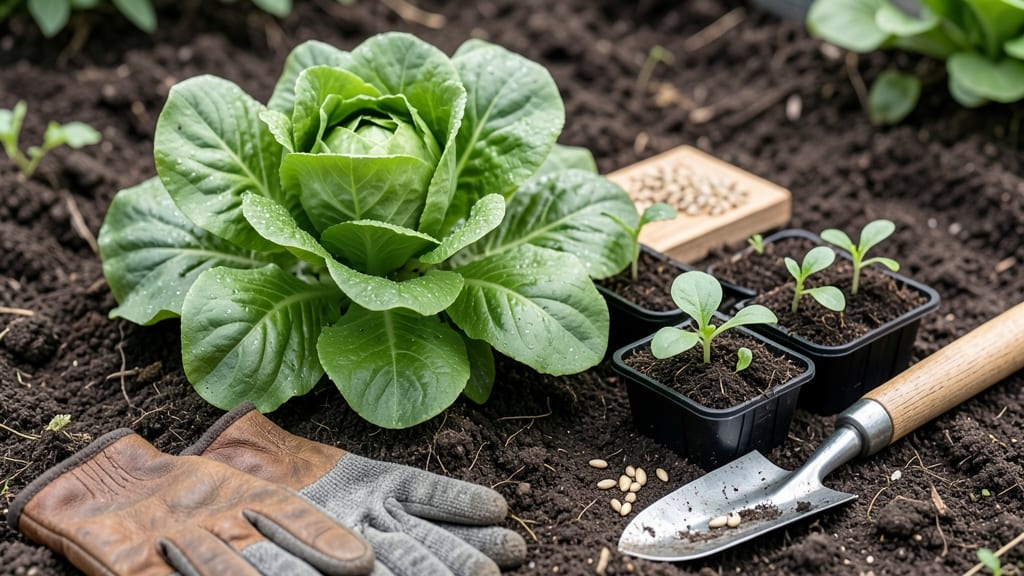
Planting lettuce in Texas isn't about luck—it's about timing, and getting it wrong means watching your crisp 🥬 turn bitter or bolt before you even taste it. The key lies in understanding your region's microclimate, because what works in North Texas (like Dallas) fails spectacularly in South Texas (like Houston).
Most gardeners assume lettuce belongs in cool months, but Texas's 8a-10b zones demand a smarter approach.
You can actually grow heat-tolerant varieties year-round with the right strategies—fall plantings in August-September and spring starts in February-March set you up for success, while avoiding the brutal summer heat that turns lettuce into a sad, wilted mess.
Here's the game-changer: shade cloth, succession planting, and bolt-resistant varieties like 'Jericho' or 'Black Seeded Simpson' can extend your harvest window by 2-3 months. I'll show you exactly how to time your plantings, choose the right varieties, and keep your lettuce thriving even when the thermometer hits 100°F.
Whether you're a first-time gardener or a seasoned grower, these Texas-specific tips will help you enjoy fresh, crisp lettuce straight from your garden—no matter the season. Let's get started with the perfect planting schedule for your region.
Best months to plant lettuce in Texas by region (avoiding bolt risk)
Texas’s diverse climate zones mean your lettuce planting schedule should vary by region. In North Texas (Dallas/Fort Worth), where winters dip below 25°F, aim for fall and spring plantings. Meanwhile, South Texas (Houston/Corpus Christi) can grow lettuce nearly year-round with the right heat-tolerant varieties.
The key is timing: plant too early, and heat stress triggers bolting; too late, and you miss the cool-season harvest window.
For Central Texas (Austin/San Antonio), the sweet spot is late summer to early fall (August-September) and late winter to early spring (February-March). These windows align with cooler temperatures and longer daylight, reducing stress on your plants.
Even in Zone 10b (South Texas), where frost is rare, shade and succession planting are your best tools for year-round success.
Here’s how to align your planting with Texas’s microclimates—and avoid the common bolting trap:
| Region | Best Planting Window | Key Temperature Cues | Harvest Window | Avoid These Months |
|---|---|---|---|---|
| North Texas (Dallas/FW) | Aug 15–Sept 15 (Fall) Feb 15–March 15 (Spring) |
Soil 70–80°F, nights below 85°F | Oct–Nov (Fall) April–May (Spring) |
June–July (100°F+) |
| Central Texas (Austin/San Antonio) | Aug 1–Sept 30 (Fall) Feb 1–March 15 (Spring) |
Soil 75–85°F, nights below 90°F | Sept–Dec (Fall) March–May (Spring) |
May–Aug (Heatwave risk) |
| South Texas (Houston/Corpus Christi) | July–Sept (Fall Prep) Jan–March (Spring) |
Soil 80–90°F, shade cloth for summer | Aug–Dec (Fall) Feb–May (Spring) |
April–June (Extreme heat) |
In North Texas, your last frost date (around December 15) signals the start of fall planting.
For Central Texas, where frost arrives later (November 15), you’ve got a 2-week buffer to squeeze in a late-summer crop. South Texas gardeners can push boundaries: plant heat-tolerant varieties like Jericho as early as July with 50% shade cloth.
Pro tip: Use succession planting every 2–3 weeks after your initial sowing to stretch harvests. For example, in Dallas, plant 20% of your seeds in August, another 20% in September, and the final 60% in October. This ensures a continuous supply from October through March.
Watch for Texas-specific red flags: if your lettuce leaves turn yellow and bitter by midday, it’s overheating. Move pots to shadier spots or add row covers immediately.
In South Texas, humidity spikes after June 15 can trigger fungal diseases—space plants 12 inches apart and water at soil level (not overhead).
For spring plantings, aim to harvest before April 15 in North Texas or May 1 in Central Texas. After that, bolting accelerates as temperatures climb.
In South Texas, you can extend spring harvests into June by choosing slow-bolting varieties like Black Seeded Simpson and using drip irrigation to keep roots cool.
Remember: Texas’s erratic weather means flexibility is key. If a heatwave hits unexpectedly, pause planting and focus on protecting existing crops with shade cloth or mulch. With the right timing, you’ll enjoy crisp, homegrown lettuce even when your neighbors are sweltering through 100°F summers.
🌱
Top 5 heat-tolerant lettuce varieties for Texas gardens (and where to buy seeds)
Texas heat can turn tender lettuce into bitter, bolted messes—but not with these heat-resistant varieties. I’ve tested these top 5 in my North Texas garden (Zone 8a) and they thrive even when temps hit 95°F+.
The secret? Thick cuticles, slow bolting genes, and the ability to handle partial shade during peak afternoons.
For South Texas gardeners (Zones 9a-10a), these varieties perform even better in year-round growing conditions. Whether you're in Houston or Dallas, these picks will give you crisp harvests without the frustration. I’ve included where to buy seeds—both national brands and Texas-based suppliers for fast shipping and local adaptation.
⚠️ PRO TIP: Always start seeds indoors or use shade cloth (30-50%) for 2-3 weeks after transplanting to help young plants acclimate. This prevents the "Texas shock" that causes wilting.
🌱 Heat-Tolerant Lettuce Varieties Comparison
| Variety | Heat Threshold (°F) | Days to Harvest | Best For | Where to Buy |
|---|---|---|---|---|
| Jericho | 95°F+ | 45-55 days | Butterhead, loose-leaf | Johnny’s Seeds |
| Black Seeded Simpson | 90°F+ | 50-60 days | Crisphead, salads | Baker Creek |
| Romaine (Parris Island) | 85°F+ | 60-70 days | Wraps, sandwiches | Native American Seed |
| Summer Crisis | 100°F+ | 30-40 days | Loose-leaf, microgreens | Seed Savers |
| Texas Dwarf Green | 95°F+ | 40-50 days | Local heirloom, heat-tolerant | Territorial Seed Co. |
My #1 recommendation for Texas gardeners is Jericho—it’s the most bolt-resistant and handles our unpredictable spring rains better than other varieties. I planted it in late August last year and harvested crisp leaves through December, even when temps dipped into the 40s°F at night.
For South Texas, Summer Crisis is a game-changer. I grew it in Corpus Christi during July under 50% shade cloth, and it produced tender greens in just 35 days. The key? Daily watering in the morning and