
Plants
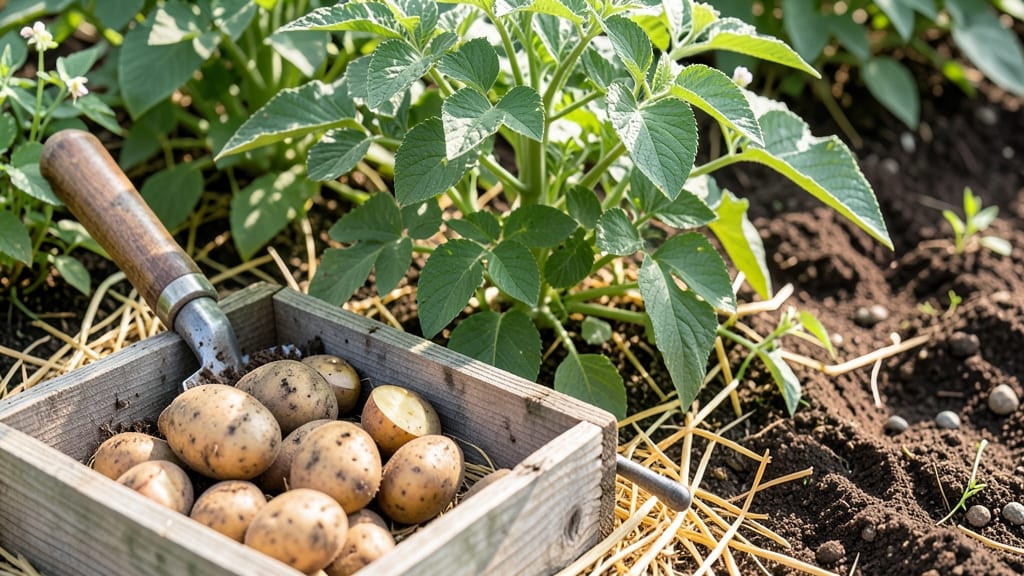
When do you plant potatoes in Arkansas? Timing your 🥔 potato planting isn’t just about the calendar—it’s about beating frost, avoiding soggy soil, and matching your variety to the 7a-8a zone’s quirks.
Plant too early, and a late freeze will turn your seed potatoes into mush; too late, and you’ll miss the sweet spot for harvest before summer’s heat sets in.
Most Arkansas gardeners swear by planting between February and March for early varieties like Yukon Gold, giving them a head start before the last frost (usually around mid-March). But if you’re growing late-season Russets, April-May works better—just be ready to mulch heavily to keep tubers cool as temperatures climb.
Here’s the game-changer: soil temperature matters more than air temperature. Aim for 45°F or warmer before sticking those potatoes in the ground. In northern Arkansas, that might mean waiting until after Easter; in the southern Delta, you could start as early as late January if the ground isn’t rock-hard.
I’ll walk you through Arkansas-specific tricks—like adjusting for your exact location, choosing the right variety, and even indoor starts for a jump on the season. Let’s get those perfect spuds in the ground the right way.
Arkansas potato planting dates by frost zones (2024 guide)
In Arkansas, potato planting timing hinges on last frost dates and soil temperatures, which vary dramatically across the state. Northern regions like Fayetteville (Zone 7a) face later frosts than southern areas like Texarkana (Zone 8a).
For most of Arkansas, ideal planting windows fall between February and May, but exact dates depend on your microclimate.
I’ve planted potatoes in both the Ozark Mountains and the Delta region, and the difference in frost timing is staggering.
In the cooler highlands, I start seed potatoes indoors by January 15 to transplant outdoors by March 1, while in the warmer south, direct sowing in March works perfectly. Miss the window, and you risk blackleg disease or stunted yields.
Here’s the critical timeline for Arkansas gardeners:
| Location | USDA Zone | Avg. Last Frost | Ideal Planting Window | Harvest Window |
|---|---|---|---|---|
| Little Rock | 7b | March 15 | Feb 20 - Apr 15 | June 15 - Aug 1 |
| Fayetteville | 7a | March 25 | Mar 1 - Apr 10 | June 25 - Aug 10 |
| Texarkana | 8a | March 5 | Feb 15 - Mar 30 | May 20 - July 15 |
| El Dorado | 8a | March 10 | Feb 20 - Apr 5 | May 25 - July 20 |
*Dates based on 30-year averages; check local frost calculators for real-time updates.
For precise planting dates, use the Arkansas State University Extension’s frost calculator (link below). I always input my ZIP code to get hyper-local advice—especially important if you’re in a river valley (like the White River area) where cold air pools and extends frost risk.
Pro tip: Soil temperature matters more than air temperature. Potatoes thrive when soil reaches 45°F—use a soil thermometer to confirm readiness. In cooler zones, I’ve seen delayed germination when planting too early, even if frost isn’t forecasted.
If you’re in Zone 7a (northern Arkansas), aim for March 15 as your cutoff for early planting.
For Zone 8a (southern Arkansas), you can push planting into early April without risk. Miss these windows, and you’ll either deal with frost-damaged sprouts or overly mature tubers by harvest time.
One mistake I made early in my gardening journey? Planting ‘Russet’ potatoes too late in April—they took 120 days to mature, and by harvest time, the vines were already struggling in the Arkansas heat. Now, I reserve late varieties for spring-planted containers or shaded beds.
For organic gardeners, timing also affects pest pressure. Colorado potato beetles emerge in late April across Arkansas,
How to adjust planting for early vs late varieties (and avoid common mistakes)
Choosing the right potato variety for Arkansas’s 7a-8a climate isn’t just about taste—it’s about matching your planting window to the variety’s maturity timeline. Early varieties like Yukon Gold or Red Pontiac need only 60-90 days to harvest, while late varieties like Russet Burbank take 100-120 days.
Planting a late variety too early? You’ll risk blackleg disease from soggy soil. Too late? Your harvest gets pushed into Arkansas’s sweltering summer heat.
For early-season planting (February-March), stick to varieties like Kennebec or LaSoda. These thrive when planted 4-6 weeks before last frost and deliver baby potatoes by June. In contrast, late-season varieties like Idaho Russet need the full growing season, so plant them in April-May for a harvest in late summer.
Here’s my pro tip: Pre-sprout your seed potatoes indoors 4-6 weeks before planting. Place them in a cool, bright spot (like a sunny windowsill) and watch for 1-inch sprouts.
This jumpstart ensures faster emergence once soil temps hit 45°F. Just avoid letting them get leggy—direct sunlight can scorch the sprouts.
Another common mistake? Overcrowding. Arkansas’s humid summers demand 12-inch spacing between hills to prevent disease. Use a raised bed if your soil drains poorly—waterlogged tubers turn mushy, and late blight thrives in damp conditions.
Early vs Late Varieties: Pros & Cons
Early Varieties
- ✅ Pros: Faster harvest, lower disease risk, great for short seasons
- ❌ Cons: Smaller tubers, less storage life, limited to spring planting
Late Varieties
- ✅ Pros: Larger tubers, better storage, extended harvest window
- ❌ Cons: Higher disease risk, needs longer growing season, vulnerable to summer heat
Watch for warning signs of planting too early: blackened stems or yellowing leaves signal frost damage. If you see these, mulch heavily with straw to insulate the soil.
For late plantings, stunted growth or pale foliage means your potatoes are struggling with heat stress—provide afternoon shade with a row cover or lightweight fabric.
Finally, soil prep makes all the difference. Arkansas’s clay-heavy soils benefit from compost or aged manure mixed in before planting. Aim for a pH of 5.0-6.5—test your soil in January to adjust if needed.
A well-amended bed gives your potatoes the nutrient boost they need to outpace pests like colorado potato beetles, which are rampant in Arkansas’s humid summers.