
Plants
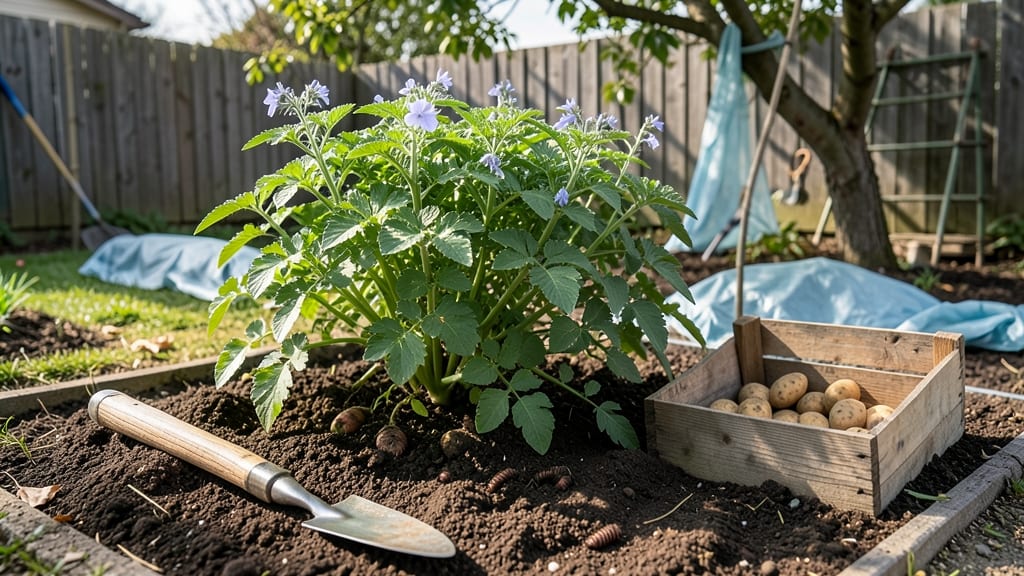
Planting potatoes in Colorado isn’t just about timing—it’s about beating the unpredictable frost that can turn your hard work into a frozen mess.
With average last frost dates hovering around mid-April and high-altitude variations, getting those 🥔 seed potatoes in the ground too early or too late means the difference between a harvest and a heartbreaking loss.
But here’s the good news: Colorado’s short growing season doesn’t have to be a dealbreaker. By choosing the right varieties—like early-maturing Yukon Golds or frost-resistant Red LaSodas—and planting at the optimal window, you can stretch your season and still pull up a bounty by summer’s end.
I’ll break down exactly when to start, how to prep your soil for Colorado’s rocky terrain, and which varieties will give you the best shot at success, even if Mother Nature throws a curveball.
Whether you’re a first-time gardener or a seasoned grower, mastering the perfect planting window is the key to avoiding those dreaded late frosts. Let’s dive into the strategies that work in USDA Zones 5-7, from soil warming hacks to the best mulching techniques for protecting your crop.
You’ll leave here with a clear, actionable plan—no guesswork required.
Ready to turn your Colorado garden into a potato powerhouse? The clock is ticking, and the soil is waiting. Let’s get those spuds in the ground the right way.
Best planting timeline for Colorado potatoes: frost dates and soil temperatures
Colorado’s variable frost dates and high-altitude growing zones (USDA 5-7) make potato planting a strategic game. Unlike warmer climates, we can’t just wait for spring—we need to time it perfectly to avoid late frosts or stunted growth from cold soil.
The key? Planting 2-4 weeks before your last frost date, but only when soil temps hit 45°F (7°C).
Most Colorado gardeners aim for mid-March to early April in lower elevations (Denver, Colorado Springs), but high-altitude areas (Aspen, Durango) may need to delay until late April or May.
The average last frost date for Denver is April 15, but mountain regions can see frost well into May. Always check your local frost calendar—Colorado State University Extension provides county-specific data.
Here’s the critical timeline for Colorado potato planting:
| Planting Window | Soil Temp Requirement | USDA Zone 5 (Mountains) | USDA Zone 6-7 (Front Range) | Action Steps |
|---|---|---|---|---|
| Early Spring (Feb-March) | 45°F (7°C) | Late April | Mid-March | Chit seed potatoes indoors (if needed). Prep beds with compost. |
| Mid-Spring (March-April) | 50°F (10°C) | Early May | Late March | Plant early varieties (e.g., Red LaSoda) 2-3 weeks before last frost. |
| Late Spring (April-May) | 55°F (13°C) | Mid-May | Early April | Plant main crop (e.g., Yukon Gold) 1-2 weeks before last frost. |
| Succession Planting | 50°F (10°C) | June | May | Plant late varieties (e.g., Kennebec) for fall harvest. |
Pro tip: Use a soil thermometer to confirm temps—cold soil delays sprouting. If your garden is slow to warm, opt for early-maturing varieties like Red Pontiac (60 days) to beat the clock. Avoid planting too early; seed potatoes rot in cold, wet soil.
Colorado’s short growing season (120-150 frost-free days) demands efficiency. Plant early varieties in February (with row covers) for a jumpstart, or stick to March-April for most gardeners.
The goal? Get tubers in the ground before soil hits 50°F (10°C)—this triggers growth and helps avoid scab disease, common in our dry climate.
For high-altitude gardens (above 8,000 ft), extend your season with black plastic mulch or straw bales to warm the soil faster. In Denver and lower elevations, focus on well-draining soil and full-sun locations to maximize heat absorption.
Test your soil’s pH (5.0-6.5 ideal)—Colorado’s alkaline soils often need sulfur or peat moss to adjust.
Remember: Late frosts are Colorado’s nemesis. If a 28°F (-2°C) freeze hits after planting, cover seedlings with frost cloth or a lightweight blanket. Timing isn’t just about the calendar—it’s about reading your
Best planting timeline for Colorado potatoes: frost dates and soil temperatures
Colorado’s variable frost dates and high-altitude growing zones make potato planting a strategic game. Unlike warmer climates, we can’t rely on a single "perfect" window—early, mid, and even late-season plantings all work with the right approach. The key is understanding your microclimate and soil temperature triggers for tuber formation.
Most Colorado gardeners aim to plant seed potatoes 2-4 weeks before the last frost date, but this varies wildly. In Denver (USDA Zone 5b), the average last frost is April 15, while Grand Junction (Zone 6a) sees frost-free conditions by March 20.
At higher elevations (Zones 4-5), like in the Rocky Mountains, you might need to wait until May or use row covers for earlier starts.
| Planting Window | Ideal Soil Temp | Last Frost Buffer | Notes for Colorado |
|---|---|---|---|
| Early Spring (Feb-March) | 40–50°F (4–10°C) | 4 weeks before last frost | Best for early varieties (e.g., Red LaSoda) in Zone 6+. Use row covers for protection. |
| Mid-Spring (April) | 50–60°F (10–15°C) | 2–3 weeks before last frost | Standard window for most varieties. Ideal for Denver and Front Range gardeners. |
| Late Spring (May) | 60–70°F (15–21°C) | 0–2 weeks before last frost | Safe for high-altitude areas (Zones 4–5) or succession planting. |
| Fall (August-Sept) | 50–60°F (10–15°C) | N/A (harvest before frost) | Plant 4–6 weeks before first frost for fall harvest. Use early-maturing varieties. |
Soil temperature is just as critical as frost dates. Potatoes need consistent warmth (50–60°F) to initiate tuber formation. In Colorado’s cool springs, soil may linger below 40°F until late April or May, especially at higher elevations.
To speed things up, plant in raised beds or use black plastic mulch to warm the soil faster.
For high-altitude gardens (above 7,000 ft), consider staggered plantings every 2–3 weeks from April to June. This extends your harvest window and reduces the risk of late-season hail or early frosts wiping out your entire crop.
Start with 1–2 pounds of seed potatoes per 10-foot row to test what works best in your microclimate.
Pro tip: Check your local Colorado State University Extension frost maps or use the National Weather Service’s frost prediction tool. In 2023, Denver saw a late frost on May 10, catching many gardeners off guard—always plan for a 2-week buffer beyond the average last frost date.
Remember, potatoes are frost-hardy (they survive light frosts), but tubers won’t form in cold soil. If your soil stays below 50°F for too long, your plants will focus on foliage growth instead of producing edible tubers. Use a soil thermometer to monitor temperatures—consistency is key!