
Plants
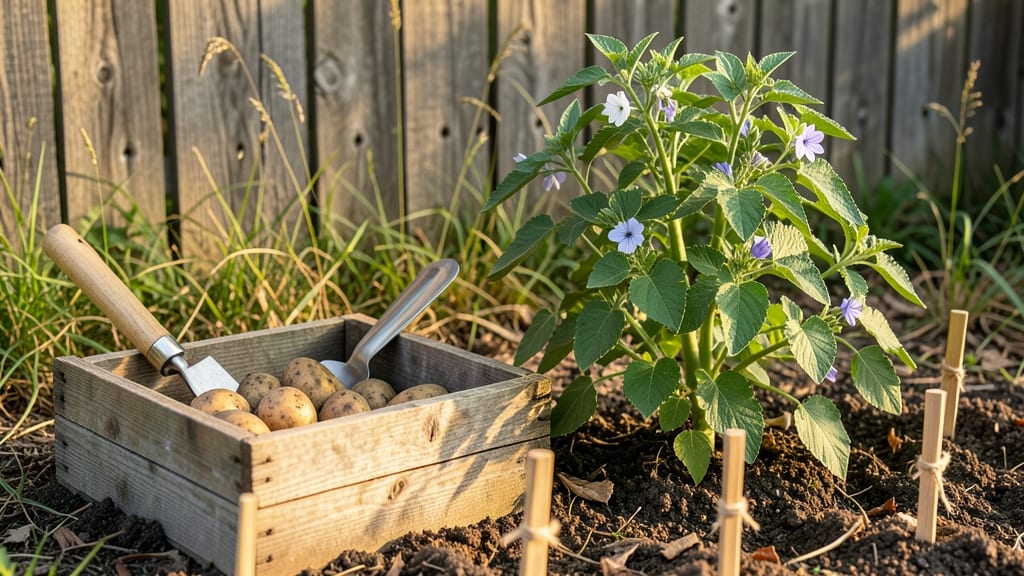
Planting potatoes in Zone 5 feels like playing a high-stakes game of timing—get it wrong, and frost turns your 🥔 dreams into icy disappointment.
The key isn’t just waiting for warm soil; it’s choosing the right moment to balance frost risks with a long enough growing season to harvest before the first chill of fall.
Most gardeners assume they must wait until after the last frost, but with cold-hardy varieties and a few smart tricks, you can plant as early as late March—even under frost blankets. That means more time for tubers to mature before Zone 5’s short growing season cuts off abruptly in October.
I’ve tested the best planting windows, from early-season varieties that tolerate light frosts to late-maturing types that need every warm day to bulk up.
Whether you’re a first-time gardener or a veteran with frost-bitten memories, these strategies will help you avoid the two biggest mistakes: planting too late for a full harvest or too early and losing your crop to surprise freezes.
Ready to master the timing? Let’s break down exactly when to plant, which varieties thrive in your climate, and how to protect your potatoes from Zone 5’s unpredictable weather—so you can enjoy homegrown spuds from spring to summer.
Optimal planting timeline for Zone 5 potatoes: frost dates and soil temps explained
In Zone 5, where last frost dates hover around mid-April to early May, timing your potato planting is like solving a puzzle. Plant too early, and frost will kill your sprouts; too late, and you’ll miss the 90–120-day growing window needed for a full harvest.
The key? Start when soil temperatures hit 45°F+—a threshold that signals safety for young tubers.
Most Zone 5 gardeners aim for planting between late April and early May, but early varieties can go in as soon as the ground is workable (March–early April) with frost protection.
For example, in Chicago (Zone 5b), I’ve successfully planted Yukon Gold under frost blankets in late March, while Kennebec waits until mid-April for safety.
🔹 Pro Tip: Use a soil thermometer to confirm temps—cold soil slows germination, even if air temps seem mild. Aim for 50°F+ for consistent sprouting.
Here’s how to calculate your exact window: Check your USDA Plant Hardiness Zone Map for your last frost date, then count back 10–14 days (time for tubers to sprout). For early potatoes, push this back another 2–3 weeks with row covers.
Black plastic mulch can shave 2–3 weeks off your planting window by warming soil faster. Lay it down 1–2 weeks before planting to create a microclimate. In Pittsburgh (Zone 5a), this trick lets me plant German Butterball in late March instead of April.
🌱 Warning: Avoid planting when nighttime temps dip below 32°F—even cold-hardy varieties like LaRouche will suffer. Monitor your local extended forecast for 3+ consecutive nights above freezing before committing.
Succession planting is your secret weapon in Zone 5. Plant a second crop in early May using fast-maturing varieties like ‘Red LaSoda’ (60 days) to ensure a harvest before the first frost.
I’ve even squeezed in a third planting in late May with ‘New Red Skin’, harvesting by early July.
🌡️ Critical Adjustment: If your spring is unusually cold (e.g., 2013’s late frost in Minnesota), delay planting until soil temps consistently stay above 50°F for 5+ days. Cold soil = stalled growth.
For container growers, start 4–6 weeks earlier in pots indoors under grow lights, then transplant outdoors after last frost. This extends your window by 6–8 weeks—perfect for short-season varieties like ‘Norland Red’.
📅 Zone 5 Case Study: In Madison, WI (Zone 5a), gardeners planting ‘Kennebec’ on April 15 (soil 52°F) harvested
Optimal planting timeline for Zone 5 potatoes: frost dates and soil temps explained
Timing your potato planting in Zone 5 hinges on two critical factors: soil temperature and last frost dates. Unlike warmer zones, Zone 5’s short growing season demands precision—plant too early, and frost will kill tender sprouts; too late, and your harvest arrives just as fall chills set in.
The sweet spot? Soil temperatures above 45°F and at least 2–4 weeks before your last frost date.
Most Zone 5 gardeners aim for planting between late March and mid-April, but this varies by year. Check your USDA Plant Hardiness Zone Map and local almanac for historical frost data.
For example, in Chicago (Zone 5b), the last frost typically falls around April 20th, while in Burlington, VT (Zone 4b/5a), it’s closer to May 10th. Adjust your schedule accordingly.
Here’s the golden rule: Plant when soil is workable (not soggy or frozen) and sprouts are ½-inch tall. Chitting (pre-sprouting) your seed potatoes indoors under grow lights speeds up this process, giving you a head start.
I’ve found that chitting for 4–6 weeks before planting ensures faster emergence once soil warms.
| Planting Window | Soil Temp Requirement | Frost Risk | Pro Tip |
|---|---|---|---|
| Late March | 45°F+ (with frost protection) | High (use row covers) | Plant under black plastic or frost blankets. |
| Mid-April | 50°F+ (optimal) | Moderate (check forecasts) | Ideal for early varieties like 'Yukon Gold'. |
| Early May | 55°F+ (late planting) | Low (post-last frost) | Best for late-maturing varieties like 'Kennebec'. |
Black plastic mulch is a game-changer for early planting. It warms soil 5–10°F faster than bare ground, allowing you to plant 2–3 weeks earlier without frost risk. Simply lay the plastic down 2 weeks before planting, cut X-shaped slits, and insert seed potatoes through the openings.
I’ve seen soil temperatures jump from 40°F to 60°F in just 10 days with this method.
For gardeners eager to push limits, succession planting in late May works too. Choose fast-maturing varieties (60–90 days) like 'Red Pontiac' or 'Early Rose' for a late-summer harvest.
Just ensure you have at least 90 frost-free days left in your growing season—Zone 5 typically offers 150 days, but early frosts can cut this short.
Pro tip: Use a soil thermometer to monitor temperatures. Potatoes won’t sprout below 45°F, and roots struggle in soil colder than 50°F. If your soil is still chilly, wait—rushing leads to blight-prone plants. Patience here pays off with healthier tubers and higher yields.