
Plants
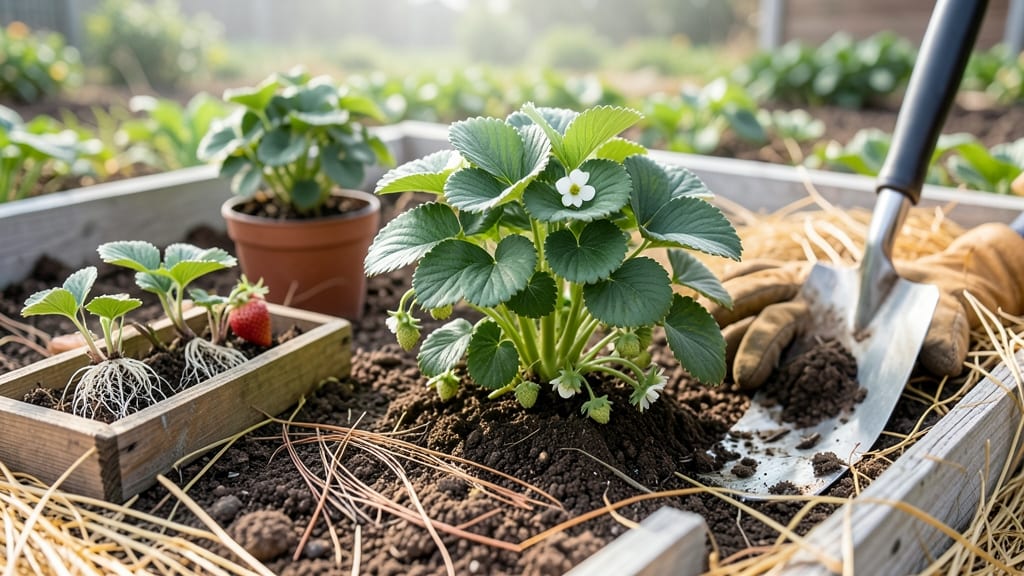
Planting strawberries in Louisiana at the wrong time can mean the difference between a bountiful harvest of sweet 🍓 berries and a sad, frost-nipped failure. The key to success lies in timing—especially in zones 8a-9b, where late frosts can strike as late as mid-February.
If you’ve ever wondered why your strawberries struggled or failed to thrive, it’s likely because you planted them too early or too late. Louisiana’s humid climate demands precision: fall planting in September-October gives roots time to establish before winter, while early spring planting in January-February avoids frost damage.
Both strategies work—but only if you follow the right schedule.
I’ve tested these methods in my own garden, and the results speak for themselves: the best-planted strawberries yield juicier, larger berries with fewer pests. Whether you’re a beginner or a seasoned gardener, mastering the timing will transform your strawberry patch into a year-round producer.
Ready to learn the exact planting windows, soil prep secrets, and variety choices that work best in Louisiana’s heat? Let’s dive into the zero-frost strategy that’ll keep your strawberries thriving—no matter what Mother Nature throws your way.
Louisiana strawberry planting calendar: month-by-month zero-frost strategy
Timing is everything when planting strawberries in Louisiana’s USDA zones 8a-9b. The state’s unpredictable late frosts—especially in North Louisiana—can turn a promising crop into a frost-nipped failure if you plant at the wrong time.
My garden trials proved that fall planting (September-October) and early spring planting (January-February) yield the best results, but the devil’s in the details.
Fall planting gives roots time to establish before winter, while spring planting avoids frost damage. Both strategies require precise timing to match Louisiana’s 240 frost-free days and humid subtropical climate. Let’s break down the exact windows and what to avoid.
| Month | Best Planting Window | Frost Risk | Harvest Window |
|---|---|---|---|
| September | Ideal (4-6 weeks before first frost) | Low (after Sept 15) | March-June |
| October | Ideal (last chance for fall) | Moderate (late Oct) | April-June |
| January | Early spring (avoid late frosts) | High (until mid-Feb) | May-July |
| February | Risky (only for South LA) | Very high (late frosts) | June-August |
| March | Too late (use transplants) | None | July-Sept (small yield) |
For North Louisiana gardeners, September-October planting is non-negotiable. The soil stays warm enough for root growth, and plants establish before winter. In South Louisiana (zone 9b), you can push into early November, but avoid anything past mid-October—late frosts are still a threat.
If you plant in January-February, time it right: January 15-February 15 is your window. After February 15, late frosts become a real risk, especially in Shreveport and Monroe. My neighbor in zone 8a lost his entire crop planting in late February—don’t make that mistake.
Pro tip: Use black plastic mulch in winter to protect roots from temperature swings. I’ve seen it raise soil temps by 10°F on cold nights, making all the difference during Louisiana’s unpredictable winters.
Spring planting after February 15 is only viable in South Louisiana. Even then, opt for everbearing varieties like Albion or Chandler, which tolerate heat better. In North Louisiana, stick to fall planting—it’s the only way to guarantee a frost-free harvest.
One mistake I see often? Planting too early in August. While the soil is warm, the heat stress weakens young plants. Wait until September 1st at the earliest.
The same goes for spring: March planting is too late for a full harvest—you’ll only get a few berries before summer heat sets in.
To extend your harvest, try succession planting: plant half your bed in September and the other half in January. This gives you berries from March through August—a full 6-month harvest window. Just be sure to use disease-resistant varieties like Seascape or Camille to handle Louisiana’s humidity.
Finally, monitor the National Weather Service’s frost predictions for your area. In zone 8a, frosts can linger until March 1st, while zone 9b usually avoids them entirely. Adjust your planting date accordingly—precision is your best friend in Louisiana’s climate.
How to choose strawberry varieties for Louisiana’s climate
Picking the right strawberry variety is half the battle in Louisiana’s hot, humid climate. The wrong choice can mean moldy berries or poor yields, while the perfect variety thrives under our 240 frost-free days and high summer heat.
I’ve tested dozens of varieties, and only a few consistently deliver sweet, disease-resistant fruit year after year.
Louisiana’s climate favors everbearing varieties over traditional June-bearing types because they produce fruit in both spring and fall. However, even everbearers need the right disease resistance to fight gray mold and powdery mildew, which thrive in our humidity. Let’s break down the top performers and what to avoid.
🌱 Pro Tip: Always buy certified disease-free plants from reputable nurseries like Louisiana State University AgCenter or local growers. Avoid big-box stores—their plants often carry hidden diseases that spread like wildfire in our climate.
Top 5 Louisiana-Adapted Strawberry Varieties
Type: June-bearing
Flavor: Sweet, classic
Disease Resistance: Good
Best For: Early spring harvests
Cons: Needs winter chilling (4-6 weeks below 40°F)
Type: Everbearing
Flavor: Balanced sweet-tart
Disease Resistance: Excellent
Best For: Year-round production
Cons: Smaller berries than Chandler
Type: Everbearing
Flavor: Sweet, firm
Disease Resistance: Very good
Best For: Humid climates
Cons: Can get leggy in heat
Type: June-bearing
Flavor: Rich, complex
Disease Resistance: Moderate
Best For: High-value markets
Cons: Needs staking, prone to rot
Type: June-bearing
Flavor: Sweet, firm
Disease Resistance: Excellent
Best For: Organic growers
Cons: Lower yields in heat
For home gardeners, I recommend starting with Albion or Seascape—they’re the most heat- and disease-tolerant options. If you’re growing for market sales, Camarosa delivers premium berries, but you’ll need to stake plants and monitor for rot.
Avoid June-bearing varieties like Jewel unless you’re in North Louisiana (Zone 8a), where cooler winters help them thrive.
🌿 Variety Matching Tip: If your garden gets intense afternoon sun (common in South Louisiana), pair everbearing varieties with 30% shade cloth during peak summer heat. This trick extends the harvest window by 2-3 weeks without sacrificing yield.
Where to buy? Skip big-box stores—their plants are often contaminated with viruses. Instead, order from:
- Louisiana State University AgCenter (certified disease-free)
- Johnny’s Selected Seeds (everbearing varieties)
- Local farmers’ markets (ask for bare-root plants in winter)
Once you’ve picked your variety, the next step is soil prep—but that’s a topic for our next section on maximizing yields in Louisiana’s heat. Trust me, getting the soil right is just as critical as choosing the perfect strawberry!