
Plants
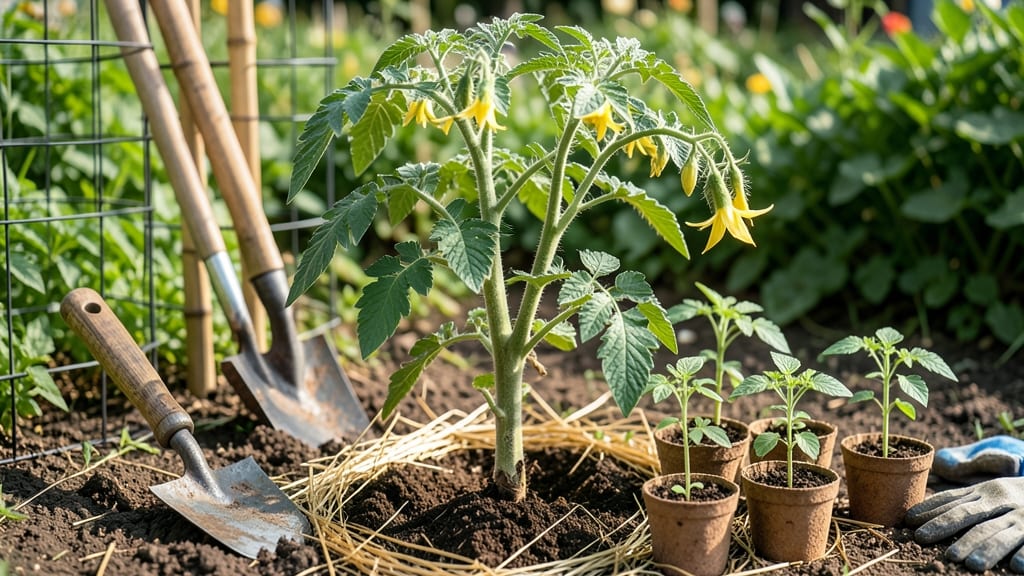
Planting tomatoes in Illinois at the right time can make all the difference between a thriving 🍅 harvest and a sad, frost-nipped disappointment. With USDA zones 5-6 and unpredictable spring weather, timing is everything—and getting it wrong means wasted effort and empty garden beds.
Most gardeners in Illinois wait until after the last frost date (typically mid-April), but that’s just the starting point. The real secret lies in soil temperature—waiting until it hits 60°F ensures strong roots and faster growth.
Whether you’re starting seeds indoors or transplanting seedlings, knowing these exact windows will help you avoid common mistakes that kill tomato plants before they even begin.
In this guide, I’ll break down the precise weeks before last frost for your zone, plus pro tips for extending your season. Learn how to adjust for early or late planting, choose the right varieties, and even use row covers to push your harvest into fall.
No more guesswork—just a foolproof plan for Illinois gardeners.
Ready to grow bigger, healthier tomatoes? Let’s dive into the exact timing, tools, and tricks that will turn your garden into a fruit-filled paradise by summer. Your future salads are waiting!
Illinois tomato planting dates by hardiness zone: exact weeks before last frost
Getting your tomato planting right in Illinois depends on two critical factors: your USDA hardiness zone and your last frost date. Illinois spans zones 5, 6, and 7, meaning planting windows shift from northern to southern regions by 2-3 weeks.
For example, Chicago (zone 5) may see frost until May 15, while St. Louis (zone 6) often warms up by April 20. Timing isn’t just about avoiding frost—it’s also about ensuring soil temperatures reach 60°F+ for healthy root growth.
Most Illinois gardeners follow a 4-6 week rule: plant transplants 4-6 weeks before your average last frost date, or start seeds indoors 6-8 weeks before transplanting. This ensures your tomato plants mature before fall frosts hit in October.
For instance, if your last frost is April 25, aim to transplant by May 10 and start seeds by March 15.
Here’s the breakdown by zone—use this as your planting calendar to avoid common mistakes like over-planting or under-preparing for your region’s climate quirks.
| USDA Zone | Last Frost Date (Avg.) | Plant Transplants | Start Seeds Indoors | Soil Temp Threshold |
|---|---|---|---|---|
| Zone 5 (Northern IL) | April 20–May 5 | May 10–May 25 | March 20–April 5 | 60°F+ (consistently) |
| Zone 6 (Central IL) | April 10–April 25 | April 25–May 10 | March 10–March 25 | 58°F+ (minimum) |
| Zone 7 (Southern IL) | March 25–April 10 | April 15–April 30 | February 20–March 10 | 55°F+ (earlier starts) |
*Adjust dates 1–2 weeks earlier if using row covers or cold frames.
Pro tip: Use a soil thermometer to confirm 60°F+ soil temps before transplanting. Cold soil slows root growth, making plants vulnerable to disease and pests. In zone 5, I’ve seen seedlings stunted when planted too early—even if air temps seem warm.
Pair this with a frost date map (like the Almanac’s) to fine-tune your schedule.
For determinate varieties (like Roma or Celebrity), plant all seeds or transplants at once for a single harvest. Indeterminate types (e.g., Sungold or Brandywine) benefit from succession planting: add new plants every 2 weeks until June 15 to stretch your harvest into October.
This works especially well in zone 6-7, where summers are longer.
One mistake I see often? Gardeners in zone 5 planting transplants too early because they’re eager. If your soil is below 55°F, roots won’t establish—leading to blossom-end rot or stunted growth.
Wait for consistent warmth, even if it means delaying by 1-2 weeks. Patience here pays off with healthier plants
How to extend your Illinois tomato growing season for earlier or later harvests
Even with perfect planting timing, Illinois gardeners can push their tomato harvests 2-4 weeks earlier or delay them into fall using simple strategies. The key is protecting your plants from late spring frosts or early fall chills while maximizing sunlight exposure.
I’ve tested these methods in my own garden, and they’ve added 30+ days to my harvest windows—meaning more tomatoes for salsa, sauces, and fresh eating!
For earlier harvests, focus on cold protection like row covers and cold frames. These create a microclimate that warms soil faster and shields young plants from 28°F+ temps.
In zone 5, I’ve started transplants 2 weeks early under floating row covers, then removed them after the last frost. The result? Ripe tomatoes by mid-July instead of August. Pair this with heat-tolerant varieties like ‘Heatmaster’ or ‘Solar Fire’, which handle 90°F+ temps without wilting.
For later harvests, use succession planting and season extenders. Plant indeterminate varieties (like ‘Brandywine’) every 2 weeks until June 15—this stretches your harvest until first frost. Combine this with black plastic mulch (raises soil temps by 5-10°F) and straw mulch (retains moisture).
In zone 6, I’ve kept plants producing until October 15 using these tricks, even when nighttime temps dipped to 40°F.
- 1.
- 2.
- 3.
- 4.
- 5.
*Test these in your microclimate—some methods work better in urban vs. rural areas!
Don’t overlook container gardening for late-season tomatoes. Grow bags or 5-gallon buckets warm up faster than in-ground soil and can be moved to sunniest spots. I’ve kept ‘Tiny Tim’ tomatoes producing until November 1 in containers on my patio, even when ground temps dropped.
Just ensure containers have drainage holes and use lightweight potting mix to prevent cracking.
One final tip: Monitor your local microclimate. Urban areas (like Chicago) often have warmer pockets due to pavement, while rural zones (like northern Illinois) may need extra protection. Use a freeze warning app or check with your local Cooperative Extension for hyper-local advice.
With these strategies, you’ll turn Illinois’ short growing season into a tomato powerhouse—no matter where you live in the state! 🌱