
Plants
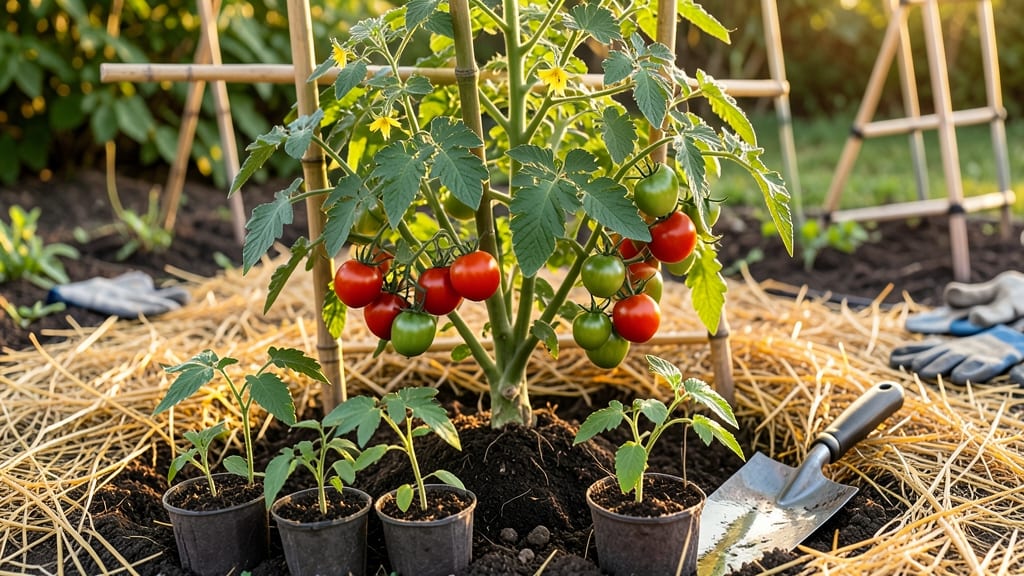
Planting your 🍅 tomatoes in Pennsylvania at the wrong time can turn your dream harvest into a sad, wilted disappointment—so getting the timing right is everything.
The Keystone State’s diverse climate, from the warm valleys of Chester County to the cooler hills of the Poconos, means your last frost date could vary by weeks, making a one-size-fits-all approach a recipe for failure.
If you’ve ever stared at a seed packet wondering, “Should I plant now?” or cursed a late frost that turned your seedlings into crispy snacks, you’re not alone.
The key to success lies in knowing your local frost dates—whether you’re in Philadelphia’s Zone 7a or Scranton’s Zone 5b—and adjusting your schedule accordingly. I’ll break down the exact windows you need to aim for, plus pro tips to protect your plants when Mother Nature throws a curveball.
Ready to grow juicy, vine-ripened tomatoes instead of struggling with bolting plants or blight? You’ll discover how to time your starts—whether from seeds or transplants—so your 🍅 thrive from April’s first warm days through October’s golden harvest. Let’s turn your garden into a tomato powerhouse.
From choosing the right varieties for your region to using row covers for extra insurance, I’ve got the game-changing strategies that’ll have you picking tomatoes like a pro. No more guesswork—just a foolproof plan tailored to Pennsylvania’s quirks. Let’s get those seeds in the ground!
Pennsylvania last frost dates by county: the exact timeline for planting tomatoes
Pennsylvania’s diverse climate means your tomato planting window can vary by up to 6 weeks depending on where you live.
In southern counties like Chester or Berks, you can plant tomatoes outdoors as early as mid-April, while in northern regions like Erie or Bradford, wait until late May to avoid frost damage. These differences are critical—tomatoes are heat-loving plants that won’t tolerate temperatures below 50°F (10°C).
To plan successfully, I always check my local USDA hardiness zone (PA ranges from 5b to 7a) and cross-reference it with historical frost data. For example, Philadelphia (Zone 7a) has an average last frost around April 15, while Pittsburgh (Zone 6b) typically waits until May 1.
Even a single late frost can kill young seedlings, so timing is everything.
Here’s the key rule: Plant tomatoes outdoors only after your county’s last average frost date—and add a 2-week buffer for safety. For example, if your last frost is May 1, wait until May 15 to transplant seedlings.
This ensures your plants have 60+ frost-free days to mature, which is essential for varieties like ‘Brandywine’ that need 85 days to harvest.
🌱
| Region | USDA Zone | Avg. Last Frost | Safe Planting Window | Notes |
|---|---|---|---|---|
| Southern PA (Chester, Berks, Lancaster) | 7a-7b | April 15 | April 30 - May 15 | Early varieties thrive here. |
| Central PA (Harrisburg, York, Lebanon) | 6b-7a | April 25 | May 10 - May 25 | Use row covers for late frosts. |
| Northeast PA (Scranton, Wilkes-Barre) | 6a-6b | May 5 | May 20 - June 1 | Start seeds indoors early. |
| Northwest PA (Erie, Bradford) | 5b-6a | May 15 | June 1 - June 15 | Cold frames extend season. |
| Southwest PA (Pittsburgh, Allegheny) | 6b | May 1 | May 15 - May 30 | Urban gardens benefit from black mulch. |
If you’re growing heirloom varieties like ‘Cherokee Purple’, which take 90+ days to mature, you’ll need to start seeds indoors by late February in northern PA.
For faster-maturing ‘Early Girl’ tomatoes (60 days), you can direct-sow seeds outdoors as early as 2 weeks after your last frost date—just cover them with row fabric if nights are still chilly.
Pro tip: Test your soil temperature before planting. Tomatoes need soil that’s at least 60°F (15°C)—use a soil thermometer to check. If it’s cooler, black plastic mulch can warm the soil by 5-10°F in just a few days.
I’ve seen this trick add 2-3 weeks to my planting window in cooler zones like Lackawanna County.
For container gardening, the rules are slightly different. Potted tomatoes warm up faster, so you can plant them 1-2 weeks earlier than in-ground plants. However, containers also dry out faster, so water consistently and use self-watering pots if possible.
In Philadelphia’s urban gardens, I’ve had success planting container tomatoes as early as April 20 with a heat mat underneath the pots.
🌿
One common mistake I see is planting too early and then rushing to cover seedlings with blankets or towels during late frosts. While this can work in a pinch, it’s better to wait for stable warm weather. If you’re unsure
How to adjust your tomato planting schedule for Pennsylvania’s microclimates
Pennsylvania’s diverse geography means your last frost date can vary by hundreds of miles—from mid-April in Philadelphia to late May in Erie. Even within a single county, microclimates (like urban heat islands or sheltered valleys) can push your planting window 1-2 weeks earlier or later.
Adjusting for these factors ensures your tomato seedlings thrive without frost damage.
Start by checking your local USDA zone (PA ranges from 5b to 7a) and then fine-tune using historical frost data from sources like the National Weather Service or Penn State Extension.
For example, Pittsburgh’s average last frost is April 20, but a sunny south-facing slope might warm up 5-7 days earlier than a shady valley.
If you’re in northern PA (zones 5b-6a), consider starting tomato seeds indoors 8-10 weeks before your target transplant date. Use a grow light to provide 14-16 hours of light daily, and harden off seedlings 1 week before moving them outdoors.
For southern PA (zones 6b-7a), you can often direct-sow seeds after April 15, but protect them with row covers if nighttime temps dip below 50°F.
For urban gardeners, rooftop gardens, or small spaces, consider using container gardening with heat-loving varieties. Containers warm up faster than in-ground soil, allowing you to plant 1-2 weeks earlier. Just ensure your pots have drainage holes and use a lightweight potting mix to prevent overheating.
If you’re in a transition zone (like Lancaster or Lebanon County), where frosts can be unpredictable, opt for early-maturing heirlooms or hybrids that tolerate cooler temperatures. Varieties like ‘Mountain Merit’ or ‘Solar Fire’ are bred to handle temperature fluctuations and still produce abundant fruit.
Finally, keep a gardening journal to track your personal frost dates, soil temperatures, and harvest timelines. Over time, you’ll refine your planting schedule to match your unique microclimate—leading to healthier plants and bigger yields year after year. 🌱