
Plants
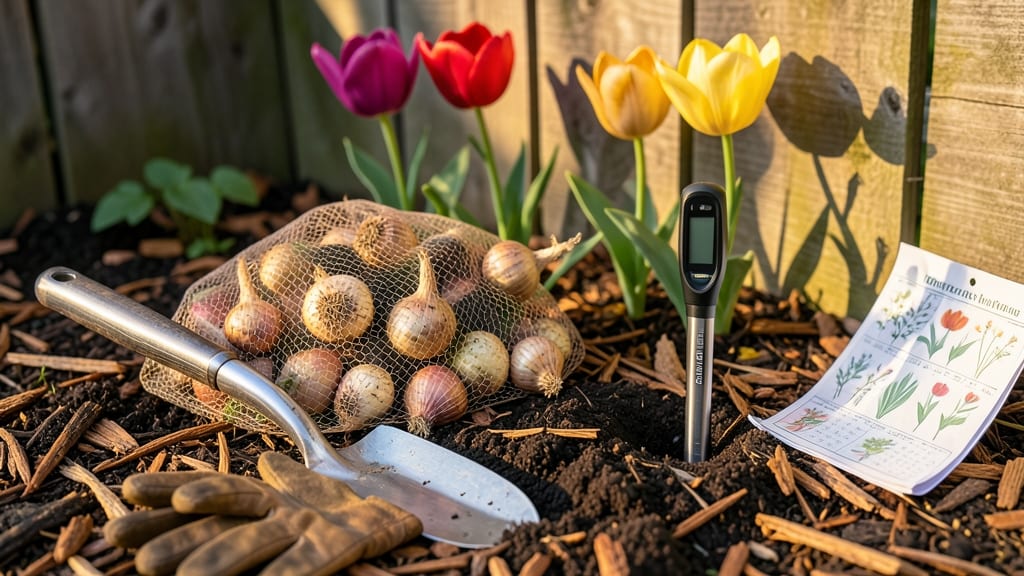
Planting tulips 🌷 in Georgia isn’t just about the calendar—it’s about outsmarting the state’s tricky frost patterns to guarantee those dreamy spring blooms.
If you’ve ever wondered why some gardeners get perfect tulips while others struggle with frost-damaged bulbs, the answer lies in timing your October-November planting window just right for your specific microclimate.
Georgia’s diverse zones—from the cooler mountain regions to the warmer coastal plains—mean your USDA 7b-8a neighbors might need different strategies. Too early, and your bulbs rot; too late, and frost heaves them out of the ground.
I’ll break down the exact months for North, Central, and South Georgia so you can plant with confidence, plus how to prep your soil for maximum success.
You’ll also discover how to adjust for early or late frosts using simple mulching techniques that work in Georgia’s humidity. Whether you’re a first-time gardener or a seasoned pro, these region-specific tips will help you avoid common mistakes and ensure your tulips thrive next spring.
Let’s dive into the precise planting schedule tailored for Georgia’s climate—so you can enjoy a garden bursting with color without the guesswork. Your perfect tulip season starts now.
Georgia’s 3 microclimates for tulip planting: exact months by region
Georgia’s diverse geography means your tulip planting schedule should align with your specific region. The North Georgia mountains (USDA Zone 7a) have cooler temperatures, while the Central Piedmont (Zone 7b) and South Georgia coastal plains (Zone 8a) enjoy milder winters.
Planting too early in warm zones risks rot, while late planting in cooler areas risks frost damage.
For all regions, aim to plant 6-8 weeks before the ground freezes—this gives bulbs time to establish roots before winter. In Georgia, this typically falls between mid-October and mid-November, but your exact timing depends on your microclimate.
Let’s break it down by region so you can plant with precision.
| Region | USDA Zone | Ideal Planting Window | Soil Temp Threshold | Key Notes |
|---|---|---|---|---|
| North Georgia (Mountains) | 7a | Mid-October to early November | 45-55°F | Cooler temps mean earlier planting; use frost cloth if late frosts occur. |
| Central Georgia (Piedmont) | 7b | Late October to mid-November | 50-60°F | Balanced climate; aim for early November for best results. |
| South Georgia (Coastal Plains) | 8a | Early November to early December | 55-65°F | Warmer winters allow later planting; avoid planting after mid-December. |
In North Georgia, where winters are colder, plant your tulip bulbs between mid-October and early November. The soil should be cool but workable—around 45-55°F. This timing ensures bulbs establish roots before the ground freezes, typically around mid-November to December in the mountains.
If you’re in Zone 7a, like in the Blue Ridge region, don’t wait past early November.
For Central Georgia’s Piedmont region (Zone 7b), your window shifts slightly later. Aim for late October to mid-November, when soil temperatures hover around 50-60°F. This region benefits from a more moderate climate, giving you a little flexibility.
If you’re near Atlanta or Macon, early November is your sweet spot for planting.
If you live in South Georgia’s coastal plains (Zone 8a), you can plant later due to the milder winters. The ideal window here is early November to early December, with soil temperatures between 55-65°F.
This extended window means you can still plant successfully even if you miss the earlier months. However, avoid planting after mid-December, as bulbs may not establish roots before the ground cools.
Pro tip: Use a soil thermometer to check temperatures before planting. Bulbs need 4-6 weeks of root growth before winter sets in, so adjust your schedule if your soil is warming up faster or slower than expected.
For example, if your soil stays warm in November, push planting to early December in South Georgia.
Once you’ve planted, protect your bulbs with a 2-3 inch layer of mulch (like pine straw or shredded leaves) to insulate them from temperature swings. This is especially critical in North Georgia, where sudden freezes can damage newly planted bulbs.
In warmer zones, mulch helps retain moisture during Georgia’s dry winters.
Remember, tulips are perennial in Georgia’s climate, meaning they’ll return year after year if planted correctly. By following these region-specific guidelines, you’ll ensure your bulbs thrive and reward you with stunning spring blooms—no matter where you garden in the Peach State. 🌷
Critical factors that shift your tulip planting timeline in Georgia
Georgia’s USDA Zones 7b-8a create a delicate balance for tulip planting—one wrong move, and your bulbs risk rot or frost heave. The key factors that shift your planting window? Soil temperature, elevation, and last-frost dates.
For example, Atlanta’s average first frost hits around November 15, but mountain regions like Blue Ridge can freeze weeks earlier.
Your bulbs need 4-6 weeks in 40-50°F soil to root before winter. In North Georgia, aim for mid-October planting, while South Georgia gardeners can wait until late November. Use a soil thermometer to confirm—50°F is ideal for root growth before dormancy.
🌱
- Soil Temperature: Bulbs root best in 40-50°F soil. Test with a thermometer—plant when temps stabilize here for 1 week.
- Elevation: Higher areas (e.g., North Georgia) freeze earlier. Adjust by planting 2-3 weeks earlier than coastal zones.
- Last-Frost Date: Check your USDA Zone 7a-8b average (e.g., March 15 for most of GA). Plant 6-8 weeks before this date.
- Bulb Variety: Early bloomers (e.g., ‘Early Harbinger’) need earlier planting (September-October), while late bloomers (e.g., ‘Darwin Hybrid’) can wait until November.
- Early/Late Frost Risk: Use mulch (straw or pine needles) to insulate bulbs if frost threatens early. In South Georgia, a frost cloth can extend your window by 2 weeks.
Don’t overlook microclimates—your backyard might be 5°F warmer than the official zone average. Observe your garden’s frost patterns for 2-3 years to refine your timing. For instance, Savannah’s coastal warmth lets gardeners plant until December 1, while Dahlonega’s mountains demand September planting.
Pro tip: Plant in batches if unsure. Drop half your bulbs in early October and the rest in late November—this hedges against frost surprises. Pair this with well-draining soil (amend with compost or sand if clay-heavy) to prevent rot, a common Georgia pitfall.
Adjusting for unpredictable frosts? Monitor your local NOAA frost forecast and use 3-4 inches of mulch after planting. This adds 5-7°F of insulation, buying you critical time if an early freeze hits. Your tulips will thank you with bolder blooms next spring.
☀️