
Plants
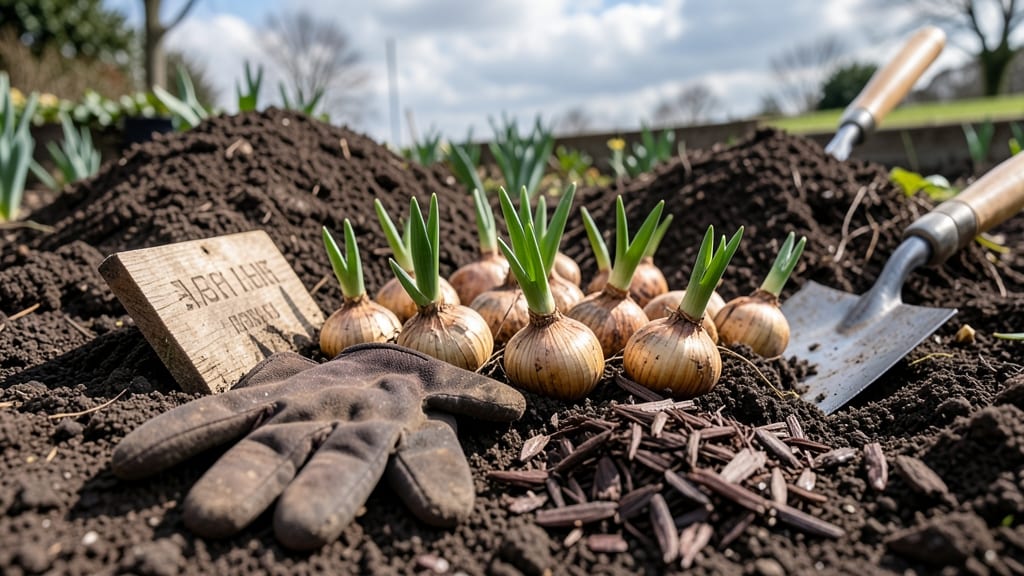
Planting tulips 🌷 in North Carolina at the wrong time can mean the difference between a stunning spring display and wasted effort.
The key to success lies in understanding your specific microclimate—whether you're in the cooler mountain regions or the warmer Piedmont—because timing everything just right is what makes these bulbs thrive.
Most gardeners in zones 7a-8b should get their tulips in the ground between October and November, but there's more to it than just picking a month.
We'll break down exactly when to plant based on your local frost dates and soil conditions, so you can avoid common mistakes that kill tulips before they even bloom.
Why does this matter? Because those vibrant spring flowers you're dreaming of won't appear if the bulbs aren't properly established before winter sets in. I'll show you exactly how to time your planting for maximum success, from soil preparation to choosing the right varieties for North Carolina's climate.
Whether you're a beginner gardener or a seasoned pro, these insights will help you grow tulips that come back year after year. Let's get your garden ready for next spring's showstopper blooms with the perfect planting schedule tailored just for you.
North Carolina’s 3 tulip planting zones: exact months by hardiness (USDA 7a-8b)
North Carolina’s microclimates create unique challenges for tulip planting. The Mountains (USDA 7a) experience earlier frosts, while the Coastal Plain (USDA 8b) has milder winters. Timing your tulip bulbs correctly ensures they establish roots before winter dormancy.
For all NC regions, aim to plant 6 weeks before the first hard frost. This gives bulbs time to root before the ground freezes. Use your local last frost date as your guide—typically mid-November in the Mountains and late November in the Coastal Plain.
Soil temperature is critical. Tulip bulbs need soil between 40°F and 60°F to root properly. In most of NC, this occurs in October. Use a soil thermometer to verify—planting too early in warm soil can cause rot.
Here’s the breakdown by NC zone with exact planting windows and key considerations:
| Zone | USDA Hardiness | Planting Window | Soil Temp Goal | Depth | Spacing |
|---|---|---|---|---|---|
| Mountains | 7a (0-5°F) | Mid-October to early November | 40°F-50°F | 6-8 inches | 4-6 inches apart |
| Piedmont | 7b (5-10°F) | Late October to mid-November | 45°F-55°F | 6-8 inches | 4-6 inches apart |
| Coastal Plain | 8a-8b (10-15°F) | November (early to mid) | 50°F-60°F | 6-8 inches | 4-6 inches apart |
In the Mountains, plant by October 15 to avoid early frosts. Use mulch (3-4 inches) after planting to insulate bulbs. In the Piedmont, aim for late October—this balances root growth with frost protection.
The Coastal Plain offers flexibility until mid-November, but avoid planting after November 20. Warmer soils here can trigger premature sprouting, weakening bulbs before winter. Test soil moisture—bulbs need consistent dampness but not soggy conditions.
Pro tip: Plant daffodils alongside tulips in NC. Daffodils deter squirrels and deer, which love tulip bulbs. Use bulb cages or plant deeper (8-10 inches) in high-risk areas for extra protection.
After planting, mark your tulip beds with flags or stakes. This prevents accidental digging in spring when foliage emerges. Remember: 6-8 weeks of root growth before winter is non-negotiable for NC’s climate.
For container gardening in NC, use well-draining pots and plant bulbs in October. Move containers to a protected location (like a garage) before December to shield them from freezing temperatures.
Finally, avoid fertilizing after planting—bulbs need to focus on root development, not foliage growth. Wait until early spring (March-April) to apply a balanced fertilizer (5-10-10).
Critical mistakes that kill NC tulips (and how to avoid them)
Planting tulips in North Carolina might seem straightforward, but one wrong move can turn your spring blooms into a winter loss. The biggest culprit? Planting at the wrong time—either too early when soil is still warm or too late when frost is imminent.
Both scenarios starve bulbs of the chilling period they need to thrive.
Another silent killer is poor soil drainage. Tulips rot in soggy soil, especially in NC’s humid Piedmont region. If your garden holds water after rain, amending with sand or compost can save your bulbs. I’ve seen entire tulip beds fail because gardeners skipped this critical step.
Skipping bulb depth is another common mistake. Planting too shallow leaves bulbs vulnerable to freeze-thaw cycles, while burying them too deep delays blooming. Aim for 6-8 inches deep—about 3 times the bulb’s height—for perfect balance.
Here’s what not to do when planting tulips in NC:
Avoid These 3 Deadly Mistakes
- Planting in warm soil (wait until soil temps drop below 60°F)
- Using fresh manure (burns bulbs—compost instead)
- Ignoring mulch (3 inches of straw protects bulbs from frost heave)
Even experienced gardeners forget that tulips need winter chill. In milder NC zones like USDA 8a, some varieties may not bloom well without artificial chilling (4-6 weeks at 35-45°F). For these areas, choose early-blooming varieties like Greigii or Fosteriana, which tolerate shorter chill periods.
Finally, overwatering after planting drowns bulbs before they establish roots. Water deeply once after planting, then let nature take over. The key is consistent moisture without soggy soil—think damp sponge, not swamp.
By avoiding these pitfalls, your NC tulips will survive winter and reward you with bold spring blooms year after year. The secret? Plan ahead, amend your soil, and respect the chill—your tulips will thank you with vibrant color come April! 🌷