
Plants
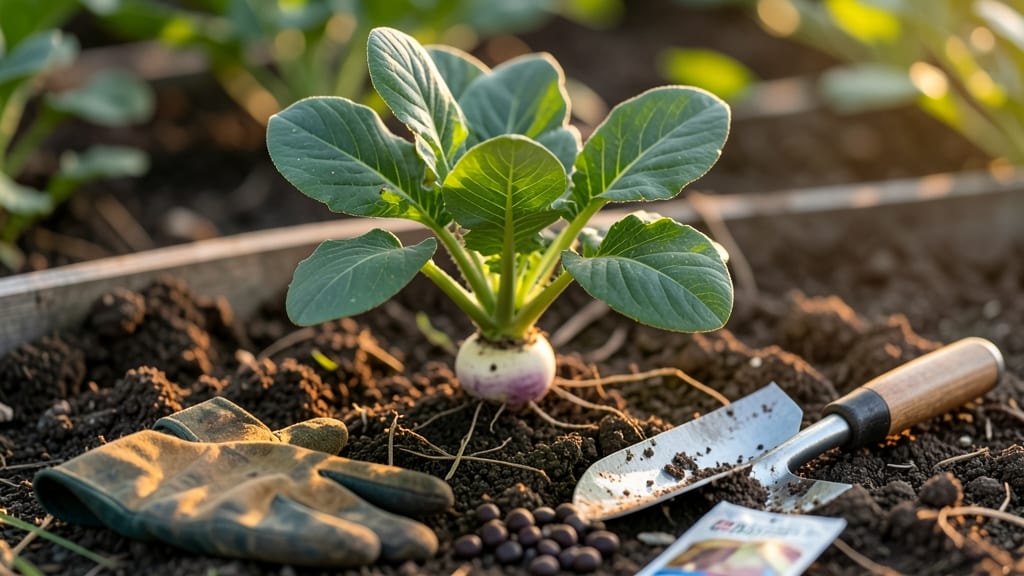
Planting turnips in Georgia at the wrong time means either watching them bolt in summer heat or getting wiped out by early frost. The key to a thriving 🥕 harvest lies in timing—specifically, those narrow windows between August-September for fall crops and February-March for spring plantings.
Georgia’s 7b-8b climate gives you a head start, but even here, turnips need cool weather to grow sweet roots. Miss the optimal 4-6 week window before frost, and you’ll end up with bitter greens instead of tender roots.
I’ve learned the hard way that patience pays off—plant too early, and the summer sun turns your turnips into leafy stalks before they even form a root.
What makes this even trickier is Georgia’s unpredictable weather shifts. One year, you might get a late frost in March; the next, a heatwave in October. That’s why I’ve tested different varieties and planting strategies to guarantee success, no matter what Mother Nature throws your way.
In this guide, I’ll break down the exact months to plant for your region, which turnip varieties handle Georgia’s heat best, and how to stretch your harvest season. By the end, you’ll know precisely when to drop those seeds for a garden full of 🥕 perfection—every time.
Best planting months for turnips in Georgia’s climate zones
Georgia’s USDA Zones 7b-8b create unique microclimates where turnip planting windows vary between north and south regions. The key is planting 4-6 weeks before the first frost (typically mid-November) or after the last frost (mid-February).
In Northern Georgia, cooler nights mean earlier planting, while Southern Georgia enjoys extended fall seasons.
For most of Georgia, August through September is the sweet spot for fall turnips. This timing ensures roots mature before winter chills set in. Spring planting should start late February to early March once soil temperatures hit 50°F+.
Miss these windows, and you risk bolting (premature flowering) from heat or frost damage to tender roots.
Soil temperature is critical—turnip seeds need 45-85°F to germinate. Use a soil thermometer to confirm readiness. In North Georgia, aim for mid-August planting, while South Georgia gardeners can push to early October thanks to warmer microclimates.
Here’s how Georgia’s two distinct regions differ in planting timing:
Pro tip: Use black plastic mulch in South Georgia to extend fall planting into early October. This raises soil temps and delays bolting. In North Georgia, opt for cold-hardy varieties like ‘Purple Top White Globe’ to survive light frosts.
For spring planting, wait until soil temps stabilize above 50°F—typically late February. Early spring turnips benefit from row covers if nights dip below 40°F, protecting tender seedlings. Test soil pH (6.0-7.0) and amend with compost before planting to ensure vigorous growth.
Missed the fall window? No problem! Succession planting every 2-3 weeks in July-August gives multiple harvests. Just space seeds 1 inch apart in rows 12 inches apart for optimal airflow and root development.
Remember: Turnips bolt when days get long (14+ hours of daylight). In Georgia’s summer months, this happens fast. Use shade cloth (30-50%) to delay bolting if planting in June or July.
Georgia’s long growing season means you can grow turnips year-round with proper timing. Start with fall plantings for winter harvests, then spring plantings for early summer crops. With these region-specific windows, you’ll avoid common pitfalls like heat stress or frost damage.
Best planting months for turnips in Georgia’s climate zones
Georgia’s USDA zones 7b-8b create unique planting windows for turnips, where fall and spring are your best bets. In northern Georgia, cooler temps arrive earlier, while southern regions enjoy extended growing seasons.
The key? Plant when soil temps hit 45-55°F—too hot, and seeds bolt; too cold, and germination stalls.
For fall harvests, aim for mid-August to early September in most of Georgia. This gives turnips 60-70 days to mature before first frost (typically mid-November). In southern Georgia, you can push planting to late September for a slightly later harvest.
| Region | Ideal Planting Window | Soil Temp Threshold | Frost-Free Days |
|---|---|---|---|
| Northern GA (Athens, Dalton) | August 15 - September 15 | 45-55°F | 180-200 days |
| Central GA (Macon, Columbus) | August 1 - September 20 | 50-60°F | 200-220 days |
| Southern GA (Savannah, Valdosta) | July 20 - October 1 | 55-65°F | 220-240 days |
Spring planting kicks off after the last frost (typically mid-February to early March in northern Georgia and late January in southern regions). For a continuous harvest, stagger plantings every 2-3 weeks until April. This ensures you’re not overwhelmed with mature turnips all at once.
Pro tip: Use a soil thermometer to confirm temps before planting. If your garden hits 80°F+, turnips will bolt within days—shade cloth (30-50%) can buy you extra time. In cooler microclimates (like mountain valleys), wait until late August to avoid early frost.
Remember: Turnips are cool-season crops, so they’ll struggle in Georgia’s peak summer heat. If you attempt summer planting, focus on heat-tolerant varieties like ‘Purple Top White Globe’ and use drip irrigation to keep roots cool. Mulch with straw or shredded leaves to retain moisture and moderate soil temps.
For year-round success, pair fall turnips with spring radishes in the same bed—they share similar growing conditions. Just be sure to rotate crops annually to prevent soil-borne diseases like clubroot, which thrives in Georgia’s humid climate. 🥕