
Vegetables
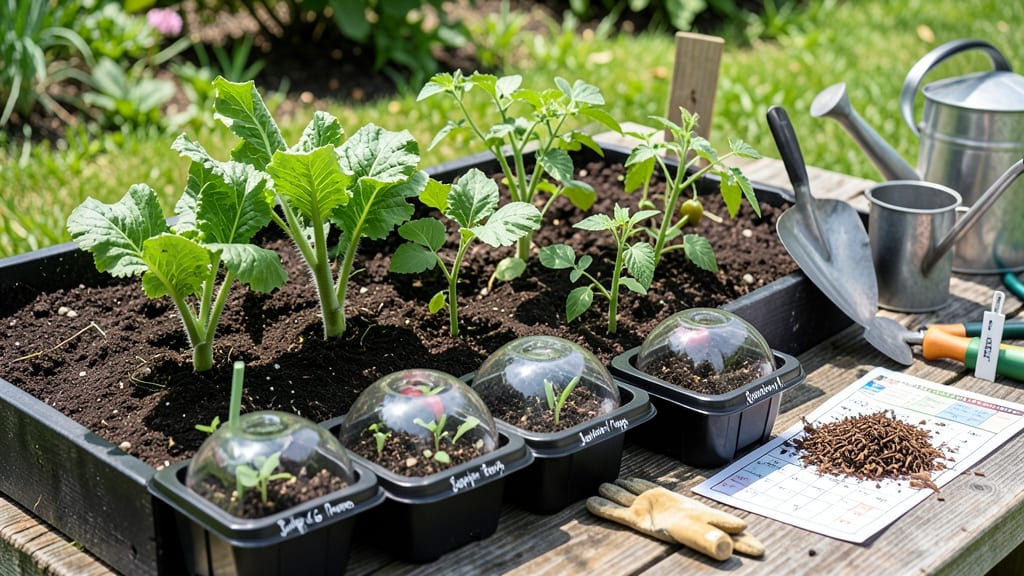
Planting vegetables in Oklahoma at the wrong time can mean the difference between a thriving garden and a sad pile of withered seedlings. The key is understanding when to plant based on your region’s unique frost patterns and heat waves—because Oklahoma’s climate plays by its own rules.
Whether you’re growing heat-loving tomatoes or cool-season greens like lettuce, timing matters. I’ll break down the exact months to start seeds indoors, transplant seedlings, and even adjust for late frosts or early summer heat.
With Oklahoma’s USDA Zones 6-8, your planting schedule might look different depending on whether you’re in the panhandle or southeastern hills.
You’ll discover the best spring planting window for warm-season crops and how to stretch your harvest into fall. Plus, I’ll share tricks for protecting young plants from unpredictable weather—because even the most careful gardeners face surprises.
Ready to turn your Oklahoma garden into a productive powerhouse? Let’s get started with a foolproof planting timeline tailored just for you.
Oklahoma’s frost-free dates & best planting months by vegetable type
Oklahoma’s frost-free dates vary dramatically from north to south, creating distinct planting windows for your vegetable garden. In the panhandle (Zone 7a), the last frost typically occurs around March 15, while southern Oklahoma (Zone 8a) sees frost-free conditions by February 15.
Central Oklahoma (Zone 7b) usually hits March 30—plan accordingly to avoid late-season freezes that can devastate tender seedlings.
Understanding these microclimates is critical because warm-season crops like tomatoes and peppers need soil temperatures above 60°F to thrive. Meanwhile, cool-season vegetables such as lettuce and broccoli can handle cooler temps and even light frosts, making them ideal for early spring or fall planting.
Here’s how to use this planting timeline for Oklahoma’s three major regions: North, Central, and South. The table below breaks down ideal planting months for both cool-season and warm-season crops, including heat-tolerant varieties that perform best in Oklahoma’s intense summers.
For cool-season crops, aim to plant 4-6 weeks before the last frost. In northern Oklahoma, this means starting seeds indoors by February 1 for early outdoor planting in March. Southern gardeners can plant directly in the ground as early as January for a head start.
Warm-season crops, however, should wait until after the last frost and when soil temperatures reach 60°F+. In most of Oklahoma, this means April or May for tomatoes, peppers, and squash. Use row covers or black plastic mulch to warm the soil faster if needed.
Oklahoma’s first frost dates also vary: Northern regions see frost by November 15, while southern areas can extend harvests until December 1. This means you can often squeeze in a fall planting of kale, spinach, or radishes for late-season harvests.
Don’t overlook succession planting, a game-changer for Oklahoma gardens. By staggering plantings every 2-3 weeks, you can ensure a continuous harvest of beans, lettuce, and carrots throughout the growing season. This is especially useful in Oklahoma’s short growing season in northern areas.
For heat-sensitive crops like cucumbers or zucchini, consider using shade cloth during peak summer months (June-August) to protect plants from 100°F+ temperatures. Conversely, drought-tolerant varieties like okra or sweet potatoes thrive in Oklahoma’s low-humidity summers with minimal extra care.
Always check Oklahoma State University Extension’s frost date maps for your specific county, as local conditions can shift 1-2 weeks earlier or later than average. Pro tip: Use a soil thermometer to confirm soil temps before planting warm-season crops—60°F is non-negotiable for germination.
Finally, remember that Oklahoma’s unpredictable weather means flexibility is key. Have a backup plan for late frosts (like row covers) and early heatwaves (like drip irrigation), and you’ll maximize your garden’s potential.