
Plants
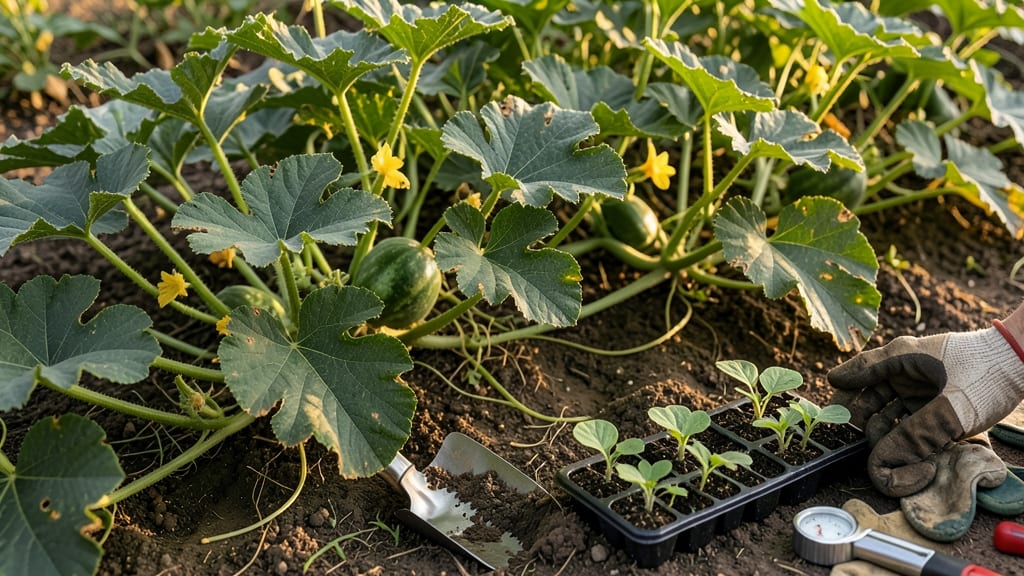
Planting watermelons in Texas isn’t just about grabbing seeds and sticking them in the dirt—it’s about mastering the heat-zone map that separates a thriving harvest from a sad, wilted vine.
Too early, and your melons bolt before summer hits; too late, and you’re racing against the clock before frost sneaks in.
I’ve watched firsthand how a 3-week difference in planting can mean the difference between juicy, ripe watermelons and bitter, underdeveloped fruit. Texas’ diverse climate—from the Panhandle’s chilly springs to South Texas’ early heat—means there’s no one-size-fits-all answer.
But with the right timing, even beginners can grow watermelons that weigh over 20 pounds.
What if you could pinpoint the exact week to plant based on your ZIP code? That’s the game-changer I’ll break down, including when to start seeds indoors (yes, it works in Texas!) and how to adjust for unpredictable weather. Let’s get your melons 🌱 growing strong from day one.
Whether you’re in North Texas where frost lingers into April or South Texas where soil heats up by February, knowing these critical deadlines will save you from wasted effort—and maybe even a few grocery store trips this summer.
Texas heat-zone planting map: best watermelon start dates by region
Texas’ sprawling geography means North Texas gardeners face cooler springs and late frosts, while South Texas enjoys earlier planting and longer harvests. Even the Panhandle has different timing needs than Houston’s heat islands.
To simplify, I’ve mapped out the optimal planting windows for each region, based on USDA zones and Texas A&M Extension data.
Watermelons thrive when soil temperatures hit 70°F or warmer.
In North Texas (Zones 7-8), this usually means waiting until mid-April to May, while Central Texas (Zones 8-9) can start as early as late March. South Texas (Zones 9-10) gardeners can plant February to March, and the Panhandle (Zone 7) should wait until late April to avoid frost.
Here’s how to align your planting with Texas’ heat zones for maximum success:
| Region | USDA Zone | Last Frost Date | Best Planting Window | Soil Temp Goal | Recommended Varieties |
|---|---|---|---|---|---|
| North Texas | 7-8 | March 15-April 15 | Mid-April to May | 70°F+ | 'Sugar Baby', 'Crimson Sweet' |
| Central Texas | 8-9 | February 28-March 15 | Late March to April | 70°F+ | 'Charleston Gray', 'Yellow Doll' |
| South Texas | 9-10 | January 31-February 15 | February to March | 65°F+ | 'Black Diamond', 'Moon and Stars' |
| Panhandle | 7 | April 15-May 1 | Late April to May | 75°F+ | 'Crimson Sweet', 'Jubilee' |
For North Texas, I recommend starting seedlings indoors in March and transplanting after the last frost. Central and South Texas can direct-sow seeds once soil warms, but use black plastic mulch to speed up soil heating.
The Panhandle’s shorter season demands fast-maturing varieties like 'Sugar Baby' to avoid early fall frosts.
Pro tip: Use a soil thermometer to confirm temperatures. Watermelons won’t germinate below 65°F, and seedlings may rot in cold, wet soil. If your soil is still chilly, try warming it with clear plastic sheets for a week before planting.
Timing isn’t just about when to plant—it’s also about avoiding heat stress. In South Texas, planting too early can lead to bolting (premature flowering) when summer heat arrives. North Texas gardeners should aim for a 75-day harvest window before the first frost in October or November.
For extended harvests, try succession planting in Central and South Texas. Sow a second batch in late May for a fall crop, using heat-tolerant varieties like 'Black Diamond' that handle 90°F+ temperatures better than others.
Always check your local frost dates—they can vary 10+ days from the averages. Use the Texas A&M AgriLife Extension frost map or your county extension office for precise guidance. Planting too late risks stunted growth or bitter fruit from heat stress.
Remember: Watermelons need warm nights (above 60°F) to set fruit. If your evenings are still cool in May, delay planting until temperatures stabilize. South Texas gardeners can push it to early February, but North Texas should wait until mid-May for nighttime warmth.
🌱
How to adjust planting for Texas’ unpredictable weather: tips for success
Texas weather can be as unpredictable as a summer storm—one day it’s chilly enough for a light jacket, and the next, your soil is hot enough to fry an egg. For watermelons, this means soil temperature is just as critical as the calendar date.
I’ve learned the hard way that planting too soon in cool soil leads to slow germination or rot, while waiting too long risks heat stress before the vines establish.
Start seeds indoors 4-6 weeks before your region’s last frost date if you’re in North or Central Texas. Use heat mats to warm soil to at least 70°F—this mimics Texas’ natural heat buildup.
For South Texas, where soil warms early, you can direct-sow as soon as March 15th, but always check the 7-day forecast for cold snaps.
Here’s my foolproof method for adjusting to Texas’ whims: Use black plastic mulch to raise soil temps by 5-10°F. Lay it down 2 weeks before planting—this gives your seeds a head start in cooler zones.
In the Panhandle, where nights stay cool well into May, I’ve even used row covers for the first 10 days to protect young seedlings from unexpected frosts.
Don’t let Texas’ unpredictable rain patterns derail your melons. After planting, use a clear plastic tunnel to shield seedlings from hail or heavy downpours. I’ve seen watermelon vines grow 3x faster when protected from stress—it’s worth the investment!
Also, avoid overwatering; watermelons hate soggy roots. Let the top inch of soil dry between waterings once established.
One year, a late-May freeze in North Texas threatened my entire crop. I saved my Sugar Baby melons by covering them with burlap sacks and using string lights to add warmth.
It worked—my melons ripened just in time for summer! For South Texas gardeners, shade cloth during peak summer (100°F+) can prevent sun scorch on young plants.
Remember: Texas watermelons thrive on bold moves. Whether it’s warming soil, choosing heat-resistant seeds, or protecting against surprises, these tweaks turn Texas’ chaotic climate into your advantage. Now go plant those seeds—your future 20-pound melons are waiting! 🌻