
Plants
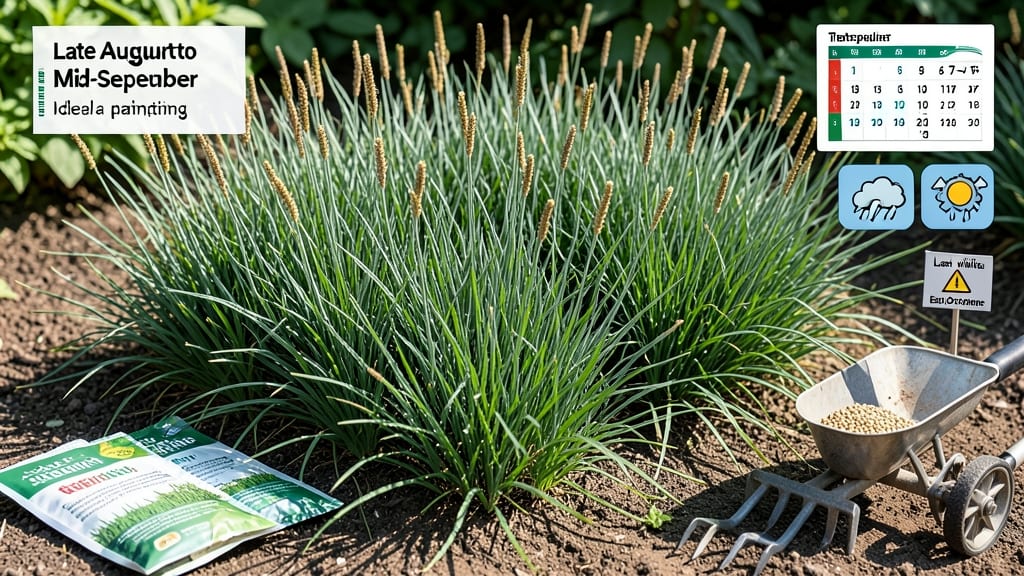
Planting grass seed in Michigan when is it too late to plant grass seed in Michigan can turn your dreamy green lawn into a winter casualty—unless you know the exact cutoff.
The 5b-6b zone’s first frost sneaks up fast, and seedling roots need 4-6 weeks to establish before dormancy kicks in. Miss that window, and you’re left with patchy growth or a lawn that never fully recovers.
I’ve seen too many gardeners rush to plant in October, only to watch their seeds sprout too late—just in time for a hard freeze. The key isn’t just the calendar date but the soil temperature (50°F is the magic number) and your region’s microclimate.
Upper Peninsula areas freeze earlier than southern Michigan, so timing shifts 10-14 days between zones.
Here’s the good news: with the right grass seed (tall fescue or perennial ryegrass germinates faster) and a few pro tips, you can push the envelope—even into early October. I’ll break down the science, regional tweaks, and emergency moves to salvage a late planting before winter locks the soil.
Skip the guesswork and learn exactly when to call it quits—or how to cheat the system. Your lawn’s future depends on it.
Michigan’s last recommended date to plant grass seed (zone 5b science explained)
Michigan’s USDA Zone 5b climate creates a tight window for fall grass seeding—typically between mid-August and mid-September. The ideal deadline is 4-6 weeks before your first expected frost, which usually hits mid-October in most regions.
Planting after September 20th risks stunted root growth, as grass needs 60-70 days to establish before winter dormancy.
Cool-season grasses like Kentucky bluegrass and tall fescue thrive when soil temperatures stay above 50°F (10°C). By late September, daytime temps may still cooperate, but nights drop below freezing earlier in northern Michigan (Zone 5a) than in southern Michigan (Zone 6a).
Use a soil thermometer to confirm readiness—roots struggle to form below 45°F (7°C).
🌱
| Factor | Zone 5b Deadline | Risk After This Date |
|---|---|---|
| Soil Temperature | Above 50°F (10°C) | Roots fail to establish (45°F threshold) |
| Days to Frost | 60+ days until first frost | Seedlings won’t harden off before winter |
| Grass Type | Fast-germinating varieties (perennial ryegrass) | Slow varieties (Kentucky bluegrass) fail |
| Prep Time | 2-3 weeks before planting | Compaction from frost blocks seed contact |
Even if you plant in early October, success depends on soil prep. Aerate 2-3 weeks before seeding to alleviate compaction from summer heat. Add compost or peat moss to improve drainage—waterlogged soil in late fall can suffocate roots. Test your soil pH (ideal: 6.0-7.0); acidic soil slows germination.
For northern Michigan (e.g., Traverse City), aim to finish by September 15th. Southern areas (e.g., Detroit) can push to September 30th, but monitor 10-day weather forecasts for early cold snaps. Use a frost date calculator like the Michigan State University Extension tool for hyper-local timing.
If you’re overseeding an existing lawn, late September is safer than new seedings. Established grass provides shade and insulation for seedlings, extending the window by 1-2 weeks. Pair overseeding with a light nitrogen fertilizer (e.g., 10-0-10) to boost root vigor.
🌿
Pro tip: Pre-wet seed before planting in dry late-September soil. Soak seeds in water for 12 hours to jumpstart germination. Pair this with a starter fertilizer (high phosphorus) to encourage root growth. Mulch with straw (not hay) to retain moisture and protect seedlings from temperature swings.
Remember: Late planting ≠ failure. Even if you miss the ideal window, perennial ryegrass can germinate in 5-7 days at 60°F soil temps. With frost blankets and careful watering, you might still get 50-70% coverage by spring.
But for a full, lush lawn, stick to the September 15th deadline.
☀️
Michigan’s last recommended date to plant grass seed (zone 5b science explained)
Michigan’s USDA Zone 5b typically allows grass seed planting until mid-to-late September, but the exact deadline depends on soil temperature and frost risk. Cool-season grasses like Kentucky bluegrass and tall fescue need 4-6 weeks to establish roots before winter dormancy.
If planted too late, seedlings may not survive first frost (usually mid-October in most regions).
Your ideal planting window closes when soil temperatures drop below 50°F (10°C). In Michigan, this often happens by late September, but northern areas (like Traverse City) may need to plant by early September. Southern regions (like Detroit) can push it to mid-October with proper protection.
| Critical Factor | Zone 5b Deadline | Risk if Late |
|---|---|---|
| Soil Temperature | Below 50°F (10°C) | Slow germination, weak roots |
| First Frost | Mid-October (varies) | Seedling kill, bare patches |
| Root Establishment | 4-6 weeks needed | Winter die-off, thin lawn |
| Daylight Hours | Below 12 hours/day | Stunted growth, poor coverage |
Even if you plant after the ideal window, some fast-germinating varieties (like perennial ryegrass) can still establish roots with frost protection. However, Kentucky bluegrass struggles when planted after early October. Use a soil thermometer to confirm temperatures—if they’re dropping, delay planting until spring.
Pro tip: Test your soil before planting. Michigan’s clay-heavy soil can compact easily in fall, smothering new seedlings. Loosen the top 2-3 inches with a rake or aerator to improve water absorption and root penetration. A light layer of compost also helps insulate roots during cold snaps.
If you’re on the fence about timing, consider overseeding in early spring instead. Spring plantings (after last frost, usually mid-April) give seedlings 6-8 weeks of warm weather to establish before summer heat sets in. Just avoid planting after June 15, as summer stress can kill new grass.
Remember: Patience is key. Grass seed needs consistent moisture and protection to thrive. If you plant late, prioritize daily watering (until germination) and frost blankets for the first 2-3 weeks. With the right care, even a late planting can yield a lush lawn next spring! 🌱