
Plants
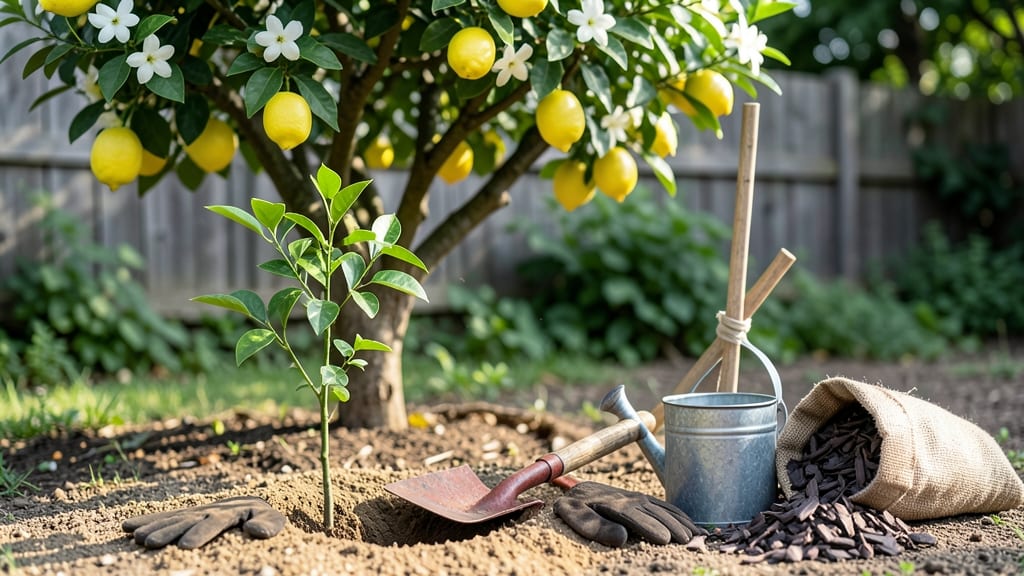
Planting a lemon tree in California isn’t just about grabbing a sapling and sticking it in the ground—timing makes all the difference between a thriving 🍋 citrus tree and one that struggles to take root.
The best time to plant a lemon tree in California depends on where you live, with coastal areas like San Diego offering a longer window than inland valleys like Sacramento.
If you’re in a milder coastal climate (USDA zones 10a-11), you can plant almost year-round, but winter or early spring gives your tree the best shot at establishing strong roots before summer heat sets in.
Inland gardeners in zones 9a-10a should wait until after the last frost—typically mid-February to March—to avoid transplant shock.
Why does timing matter so much? Lemon trees hate extreme heat stress or cold snaps, and planting at the wrong time can lead to poor growth or even death.
I’ll break down the exact windows for your region, plus pro tips to extend your planting season whether you’re coastal or inland.
Ready to grow your own lemons? Let’s dive into the secrets of California’s planting calendar so you can get your 🍋 tree off to the best possible start—no guesswork required.
Optimal lemon tree planting times by California region: coastal vs inland climate zones
California’s diverse microclimates create wildly different planting windows for lemon trees. Coastal areas like San Diego and Santa Barbara enjoy year-round planting thanks to mild winters, while inland valleys like Sacramento and Fresno face frost risks that shrink the ideal window to just 4 months.
Understanding your USDA zone (9a–11) is key to avoiding transplant shock or winter damage.
The golden rule? Plant when soil temperatures stay above 60°F (15°C)—this ensures roots establish before summer heat arrives. Coastal gardeners have the luxury of planting anytime, but inland growers should aim for November through February to dodge late frosts.
Even a single 28°F (-2°C) night can kill young trees, so timing matters more inland than anywhere else.
| Region | USDA Zone | Best Planting Window | Frost Risk | Notes |
|---|---|---|---|---|
| Coastal (LA, SD, SB) | 10a–11 | Year-round (ideal: Nov–Apr) | None | Mild winters; avoid summer heatwaves (June–Aug). |
| Inland Valleys (Sacramento, Fresno) | 9a–10a | Nov 1–Feb 28 | High (Dec–Jan) | Plant after last frost (typically Jan 15). |
| Desert (Palm Springs, Coachella) | 10b–11 | Year-round (ideal: Oct–Mar) | None | Extreme heat in summer; container planting recommended. |
| Central Coast (Santa Cruz, Monterey) | 9b–10a | Oct 15–Apr 15 | Low (Dec) | Cooler nights; protect young trees with frost cloth. |
If you’re in Southern California, you’re in luck—coastal areas like Los Angeles and San Diego can plant anytime, but the sweet spot remains winter to early spring. This timing aligns with natural rainfall cycles, reducing irrigation demands.
Inland areas, however, must play it safer: planting too early risks frost damage, while waiting too long means battling summer’s 100°F+ heat, which stresses roots.
Pro tip: Check your local Almanac frost dates—coastal areas rarely see frost, but inland valleys like Sacramento can drop to 25°F (-4°C) in December. For example, Fresno’s last frost typically occurs around January 15, so hold off until then.
Even Meyer lemon trees, the hardiest variety, can suffer if planted before this window.
Desert regions like Palm Springs and Coachella Valley buck the trend—they can plant year-round, but summer heat (June–September) makes transplanting risky. Opt for container planting here, as it gives you mobility to move trees to shade during heatwaves.
The key is soil moisture: desert soils dry out fast, so drip irrigation is a must.
For urban gardeners in San Francisco or Oakland, the coastal rules apply, but watch for Pacific winds in winter. These can dry out young trees faster than expected. Mulching with 3–4 inches of wood chips helps retain moisture and regulate soil temperature.
And remember: dwarf varieties (like ‘Improved Meyer’) adapt better to urban microclimates with limited space.
One common mistake? Assuming “California = sunshine year-round” means you can plant anytime. Inland areas like Stockton or Modesto still face freezing nights, while coastal fog (common in Santa Barbara) can delay root establishment if planting too late in the season.
Always test soil temperature with a thermometer—aim for 60°F+ at 6 inches deep.
Finally, consider your lemon tree’s maturity timeline. While coastal trees may bear fruit in 2–3 years, inland plantings often take 4–5 years due to slower growth in cooler climates. Patience pays off—choose the right window now, and you’ll be squeezing fresh lemons in 3–5 years, not decades.
5 Critical factors that determine your lemon tree’s planting success in California
Planting a lemon tree in California isn’t just about picking the right month—it’s about aligning five critical factors to give your tree the best chance. First, soil temperature must be at least 60°F (15°C) for roots to establish properly.
Coastal areas hit this mark by January-February, while inland regions often wait until March-April.
Next, frost-free dates dictate your window. Coastal gardeners rarely worry about frost, but inland areas like the Central Valley face risks until mid-January. Always check your local USDA zone—zones 9a-10a need extra caution compared to 10b-11 coastal zones.
Here’s where things get tricky: irrigation readiness. Lemon trees hate soggy roots but also can’t handle drought stress during transplant. Coastal areas with consistent rainfall have an advantage, while inland gardeners must ensure drip irrigation or soaker hoses are in place before planting.
Don’t overlook sunlight exposure. Lemon trees thrive in full sun (6-8+ hours daily), but coastal areas can sometimes get away with morning sun and afternoon shade. Inland plantings, however, require unfiltered sun—partial shade leads to weak growth and poor fruiting.
Lastly, decide between container vs. in-ground planting. Urban gardeners often opt for containers (minimum 15 gallons), but in-ground plantings establish faster. If using pots, ensure drainage holes and well-draining soil to prevent root rot—a common killer of young lemon trees.
Pro tip: Avoid planting during summer heatwaves (June-August), even in coastal areas. The stress of transplanting + extreme heat = recipe for failure. Instead, aim for cool months (November-February) when roots can grow without competition from scorching temperatures.