
Plants
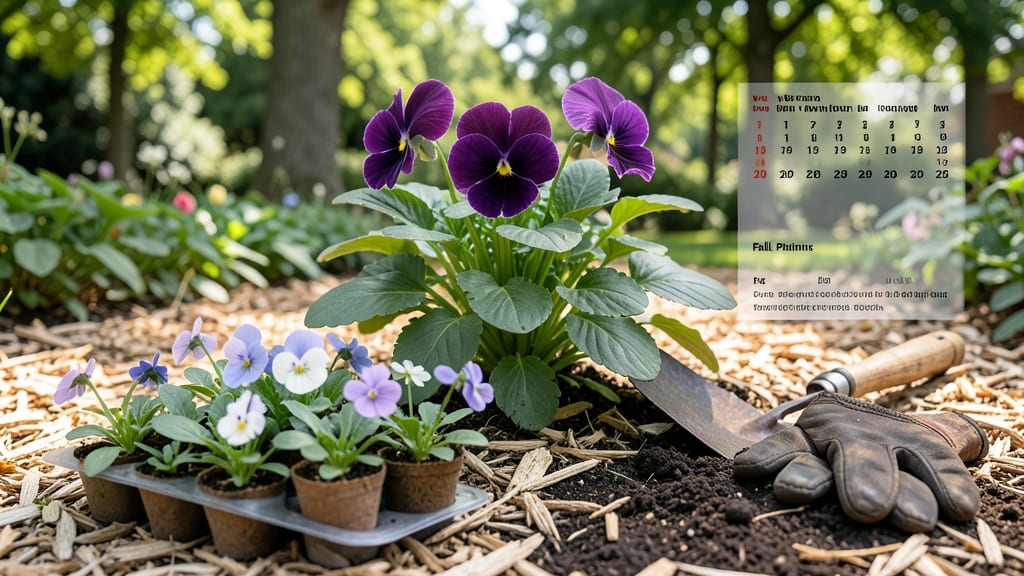
Planting pansies at the wrong time in Georgia can leave you with wilted blooms before they even get started—but timing these cool-weather favorites just right unlocks months of vibrant color from fall through spring.
With Georgia’s 7a-8b zones offering everything from mild winters in Savannah to chilly highlands near Dalton, the key is planting 4-6 weeks before your first frost (usually September-October) or 6-8 weeks before last frost (February-March).
Whether you’re tucking them into containers for patio charm or planting directly in garden beds, this two-season window ensures your 🌸 pansies thrive year-round. Let’s break down exactly when—and how—to plant for maximum impact.
From soil prep to sunlight secrets, I’ll share the easiest, most effective strategies to keep your pansies blooming beautifully, no matter which part of Georgia you call home.
Georgia’s ideal pansy planting calendar: fall and spring windows explained
Pansies love cool weather and hate Georgia’s summer heat, so timing your planting is critical. The Peach State’s climate varies dramatically between North and South, but two windows work best: fall (September-October) and early spring (February-March).
These periods align with soil temperatures and daylight changes pansies need to thrive.
In North Georgia’s mountains (USDA Zones 6b-7a), like Blairsville or Dahlonega, frost can arrive as early as mid-October. This means you’ll want to plant pansies by early September to enjoy blooms before winter sets in.
Meanwhile, South Georgia’s Coastal Plain (Zones 7b-8a), including Savannah or Brunswick, has milder winters, so you can push planting to late October or even early November.
For spring planting, aim for 6-8 weeks before your last frost date. In most of Georgia, this means late February to early March.
Areas like Athens or Atlanta (Zone 7b) can plant slightly later, around mid-March, while high-elevation areas like Helen (Zone 7a) should plant by February 15th to avoid late frosts.
| Planting Window | Best Months | Key Climate Notes | Soil Temp Goal |
|---|---|---|---|
| Fall Planting | September-October | Cool nights, mild days; avoid summer heat | 55-65°F |
| Spring Planting | February-March | Before last frost; 6-8 weeks out | 50-60°F |
| Extended Window (South GA) | Late October-November | Milder winters; push later dates | 55-60°F |
If you’re in Zone 7a (North GA), like Dalton or Gainesville, consider container planting for extra flexibility. Pots let you move pansies to shaded spots during summer’s heatwaves or protected areas before winter frosts. Just ensure containers have drainage holes—pansies hate soggy roots.
For ground planting, choose spots with well-draining soil and partial shade in summer. Amend heavy clay (common in Georgia) with compost or peat moss to improve drainage. In full sun, pansies may bolt (go to seed) faster, especially in spring’s warming temperatures.
Pro tip: Check your local frost dates using the Georgia Climate Project or Almanac’s Frost Calculator. For example, Savannah’s last frost averages March 15th, while Blue Ridge’s is around April 1st. Adjust your planting timeline accordingly to avoid frost damage.
After planting, water deeply but infrequently—pansies need moderate moisture but won’t tolerate waterlogged soil. Mulch with 2-3 inches of straw to retain moisture and protect roots during temperature swings. In North Georgia, add a light frost blanket if temps dip below 25°F.
Remember: Pansies are cool-season workhorses that reward patience. Plant them at the right time, and you’ll enjoy bright blooms from fall through spring, even in Georgia’s humid, variable climate. Start with these windows, and your garden will stay colorful year-round.
How to extend pansy blooms in Georgia: soil, sun, and seasonal care tips
Once you’ve planted your pansies at the right time, soil prep becomes your secret weapon for longer blooms. Georgia’s acidic clay soil (common in the Piedmont) can stunt pansy growth, so amend with compost or peat moss to improve drainage and fertility.
Aim for a pH between 6.0 and 7.0—test your soil with a home kit or send a sample to the UGA Extension Service for precise results.
Pansies thrive in partial shade (4-6 hours of sun daily) to avoid bolting (premature seed production). In North Georgia’s hot summers, provide afternoon shade with a lightweight shade cloth (30-50% coverage) if planting in full sun.
In South Georgia’s milder climate, they tolerate more sun but still prefer morning light to evening shade.
Mulching is a game-changer for Georgia’s temperature swings. Apply 2-3 inches of straw or shredded leaves after planting to retain moisture and insulate roots. In North Georgia’s winters, mulch protects against frost heave (when roots lift out of the soil).
For container pansies, use pine bark fines to lock in moisture without compacting soil.
Fertilize lightly to avoid leggy growth. Use a balanced 10-10-10 fertilizer every 4-6 weeks in spring and fall, but skip summer feeding—pansies go dormant in heat. In Atlanta’s Zone 7b, I’ve seen pansies rebloom after winter with just one spring feeding and consistent mulching.
For overwintering, North Georgia gardeners should protect pansies with row covers or burlap wraps when temps drop below 25°F. In South Georgia’s Zone 8a, pansies often survive winter without extra care, but a light frost blanket extends their season.
Prune dead blooms regularly to encourage new flowers—this deadheading trick keeps pansies blooming 30% longer.
With these Georgia-specific tips, your pansies will stay vibrant from fall to spring, even through the Peach State’s humid summers and chilly winters. The key? Right soil, smart watering, and seasonal adjustments. Your garden will thank you with nonstop color!