
Plants
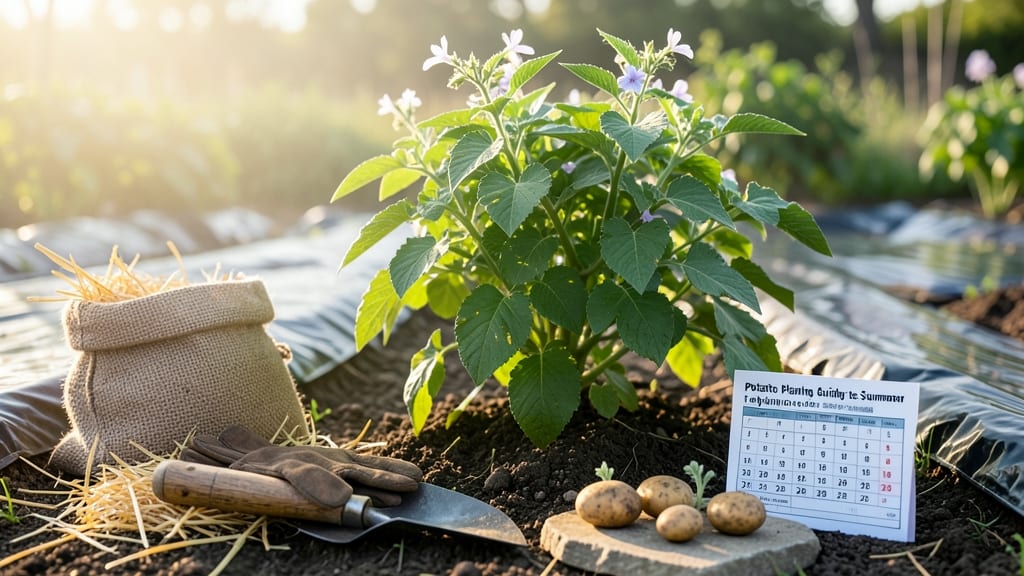
Planting potatoes in Florida isn't just about sticking a 🥔 in the ground—it's about timing it perfectly to avoid the brutal summer heat or missing the sweet spot for zero-frost harvests.
Unlike colder climates, Florida's frost-free zones (9a-11) let you grow them year-round, but the best time makes all the difference between a bountiful crop and wasted effort.
Most gardeners in Florida swear by two windows: early spring (February-March) or late summer (September-October). Why? Because planting too early in spring risks disease from warm, wet soil, while summer heat can stress young plants.
The key is cooler soil temperatures—ideal for sprouting—and avoiding the peak humidity that invites pests like early blight.
I’ve tested both schedules, and the results speak for themselves: spring potatoes mature just as the summer heat ramps up, while fall potatoes thrive in mild weather before winter sets in.
But here’s the game-changer—North Florida (Zone 9a) has slightly earlier frost risks than the rest of the state, so timing adjustments matter.
Ready to grow potatoes that actually thrive? I’ll walk you through the exact months to plant, soil prep secrets, and how to pick varieties that handle Florida’s heat—no guesswork, just zero-frost success. Let’s get started.
Florida potato planting calendar: exact months for zero-frost success
Florida’s frost-free climate means you can grow potatoes almost year-round—but timing still matters. Unlike northern states, you won’t have to worry about last frost dates, but soil temperatures and seasonal humidity play critical roles.
Planting at the wrong time can lead to disease pressure in summer or poor tuber formation in extreme heat. Let’s break down the ideal planting windows for Florida’s three main regions.
North Florida (Zones 8a-9a) has slightly cooler winters, while Central (Zones 9b-10a) and South Florida (Zones 10b-11) stay warm year-round. This means spring planting works best in North Florida, while fall planting dominates in Central and South.
The key is avoiding peak summer heat (June-August), when potatoes struggle to establish roots and are prone to early blight and scab diseases.
For a visual guide, here’s your Florida potato planting calendar, including soil temperature requirements and regional adjustments:
For North Florida, focus on early spring planting (February–March) when soil temperatures hover around 55–65°F.
This gives tubers time to mature before summer heat sets in. Central Florida gardeners should aim for late summer/early fall (September–October), when daytime temps drop slightly and humidity remains manageable. South Florida offers the most flexibility, with January–February being ideal for a spring harvest before the wet season peaks.
If you’re in a microclimate—like a coastal area with cooler breezes or an inland zone with higher heat—adjust by 1–2 weeks. For example, Gainesville (Zone 8b) may need to plant 1 week earlier than Orlando (Zone 9b) to avoid summer stress.
Always check your local frost risk maps (even in Florida!) for precise adjustments.
One common mistake is planting too early in spring without chitting (pre-sprouting) seed potatoes. In Florida’s humidity, this can lead to rot before emergence. Another pitfall is ignoring soil temperature: potatoes won’t sprout until soil reaches 45°F, but ideal growth occurs at 60–70°F.
Use a soil thermometer to confirm readiness—especially in North Florida’s cooler winters.
Pro tip: Mulch heavily after planting to maintain even soil temps and reduce weed competition. Use straw or grass clippings (not wood chips, which can mat and trap moisture). This is especially critical in South Florida’s wet season (June–October)tuber rot.
For continuous harvests, stagger plantings every 2–3 weeks within your chosen window. This ensures a steady supply of fresh potatoes without overcrowding your garden. Just remember: never plant in summer unless you’re using shade cloth and disease-resistant varieties like ‘Yukon Gold’ or ‘Red Pontiac’.
Florida potato planting calendar: exact months for zero-frost success
Florida’s frost-free climate means you can grow potatoes almost year-round—but timing still matters to avoid heat stress or disease outbreaks. Unlike northern states, you won’t worry about frost, but soil temperatures and humidity levels dictate the best windows.
Plant too early in spring, and you’ll battle fungal diseases; too late, and your harvest suffers from summer’s brutal heat.
For zero-frost success, focus on two key windows: early spring (February–March) and late summer (September–October). These months balance cool soil with mild air temperatures, creating ideal conditions for tuber formation.
Even in Florida, North Florida’s cooler zones (9a) may need slight adjustments compared to South Florida’s heat tolerance (10a–11).
📅 Key Takeaway: Plant in February–March for a spring harvest (April–May) or in September–October for a fall harvest (November–December). Avoid planting in June–August—summer’s heat stresses plants and attracts pests.
| Planting Window | Soil Temp Requirement | Harvest Window | Regional Notes |
|---|---|---|---|
| February–March | 50–60°F (10–15°C) | April–May | Best for all zones; avoid early Feb in North FL (cool soil delays sprouting). |
| September–October | 60–70°F (15–21°C) | November–December | Ideal for South FL; North FL can extend to early Nov. |
| January (North FL only) | 55–65°F (13–18°C) | March | Risky in South FL (heat stress); use shade cloth. |
| August (South FL only) | 70–80°F (21–27°C) | October–November | Use heat-tolerant varieties (e.g., Red LaSoda); mulch heavily. |
North Florida’s cooler microclimates (Zone 9a) allow for January plantings, but soil must warm to at least 55°F (13°C) for sprouting.
In South Florida (Zones 10a–11), August plantings are possible with heat-tolerant varieties and shade cloth, but yields may drop due to high humidity and pest pressure.
Always check soil temperature before planting—use a soil thermometer to confirm 50–70°F (10–21°C). In Florida, spring plantings benefit from warmer days but cooler nights, while fall plantings avoid summer’s peak heat. For urban gardeners, raised beds warm up faster and offer better control over soil conditions.
Pro tip: Chit your seed potatoes (pre-sprout in light) 2–4 weeks before planting to jumpstart growth. This is especially useful in North Florida’s cooler winters or South Florida’s slow-starting summers. Pair this with well-draining soil and full sun for the best results.