
Plants
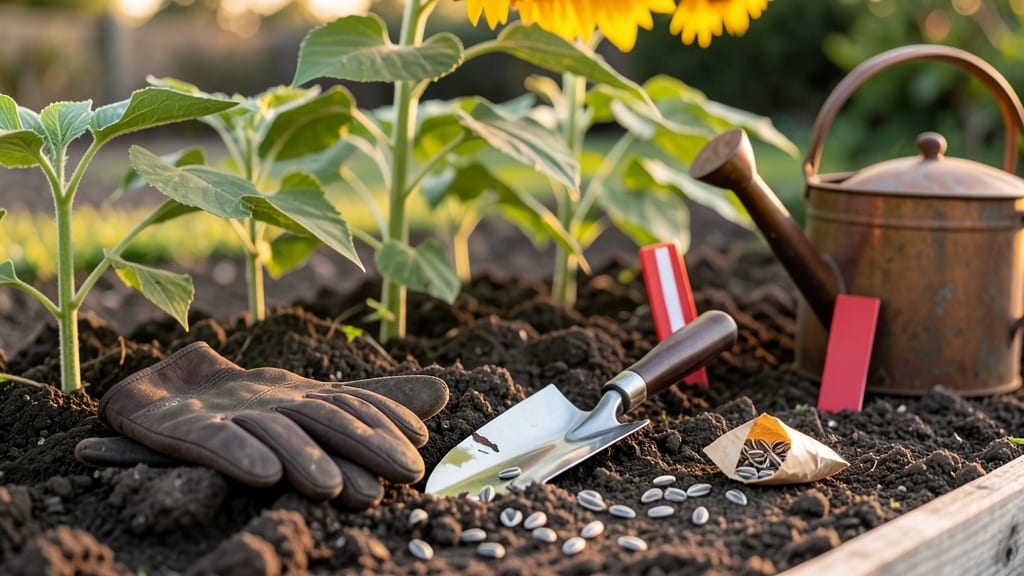
Planting sunflower seeds in Florida might seem straightforward, but timing is everything—especially when you want those towering 🌻 blooms to thrive without bolting or wilting under the relentless sun.
Florida’s frost-free climate means you can grow sunflowers year-round, but the best months (March–April or September–October) align with cooler temperatures and lower hurricane risks.
If you’ve ever watched a sunflower struggle in Florida’s heat, you know how quickly things can go wrong. The key is choosing heat-resistant varieties like ‘Moulin Rouge’ or ‘Autumn Beauty,’ which handle humidity and 90°F+ days better than standard types.
I’ll show you exactly which varieties perform best in Florida’s USDA Zones 9a–11 and how to prep your soil for maximum success.
Most gardeners make the same mistakes—overwatering, ignoring soil pH, or planting too close together—which can turn your sunflowers into sad, stunted plants. But with the right schedule and a few simple tricks, you’ll avoid these pitfalls and end up with sunflowers that reach their full 6–14-foot potential.
Ready to grow sunflowers that stand tall and proud? Let’s break down the exact planting timeline, the best varieties for your Florida garden, and how to keep pests and diseases at bay—so you can enjoy those bright blooms from May through December.
Best planting months for sunflowers in Florida by climate zone
Florida’s frost-free climate means sunflowers can grow year-round, but timing is critical to avoid hurricanes or extreme heat. The state’s three climate zones—North (Zones 8a-9a), Central (Zones 9b-10a), and South (Zones 10b-11)—each have ideal planting windows for direct sowing or transplanting.
In North Florida, plant March 15–April 15 for spring blooms or September 1–15 for fall. Central Florida’s longer growing season allows February 20–April 30 or August 15–October 15. South Florida’s year-round warmth lets you plant January 1–March 15 or August 1–October 31.
Hurricane season (June–November) risks seedling damage, so avoid planting in June–July. Instead, opt for late summer sowing to ensure blooms before storms roll in.
Soil temperature matters too—sunflowers need 60°F+ soil to germinate. Use a soil thermometer to confirm readiness before planting.
| Zone | Best Planting Window | Avoid Planting | Bloom Time |
|---|---|---|---|
| North (8a-9a) | March 15–April 15 or Sept 1–15 | June–July (hurricane risk) | May–June or Oct–Nov |
| Central (9b-10a) | Feb 20–Apr 30 or Aug 15–Oct 15 | June–Aug (extreme heat) | Apr–May or Sept–Oct |
| South (10b-11) | Jan 1–Mar 15 or Aug 1–Oct 31 | None (year-round possible) | Feb–Mar or Sept–Nov |
For transplants, start seeds indoors 4–6 weeks before outdoor planting. Use biodegradable pots to avoid root disturbance when moving seedlings to the garden.
Adjust timing if unseasonable weather occurs. For example, a late frost in North Florida (rare but possible) may delay planting until April 1.
In South Florida, where humidity is high, choose disease-resistant varieties like ‘Moulin Rouge’ to prevent powdery mildew during rainy seasons.
Always plant 1 inch deep and 6 inches apart for optimal growth. Mulch with straw to retain moisture and suppress weeds.
🌱
Best planting months for sunflowers in Florida by climate zone
Florida’s three distinct climate zones—North, Central, and South—create unique planting windows for sunflowers. Unlike cooler states, Florida’s frost-free year-round status means you can grow sunflowers almost anytime, but timing still matters to avoid hurricane risks or extreme heat stress. Let’s break down the ideal months for each zone.
In North Florida (Zones 8a-9a), where temperatures dip slightly in winter, aim for March through April for spring blooms. This gives seedlings time to establish before summer’s 90°F+ heat. For fall planting, September to early October works best—avoid late October to escape hurricane season.
For Central Florida (Zones 9b-10a), the window expands slightly. Start seeds in February to March for early blooms or September to October for fall flowers. The key is ensuring soil stays warm enough (60°F+) for germination, which happens faster in Central Florida’s heat.
In South Florida (Zones 10b-11), you can plant almost year-round, but spring (February-March) and fall (September-October) are ideal. Summer planting is risky due to intense humidity and pests, while winter’s cooler temps slow growth. Always check the National Hurricane Center forecast before planting in late summer.
| Zone | Best Planting Months | Soil Temp for Germination | Key Consideration |
|---|---|---|---|
| North (8a-9a) | March-April, Sept-Oct | 60°F+ | Avoid late Oct hurricanes |
| Central (9b-10a) | Feb-Mar, Sept-Oct | 65°F+ | Faster germination in heat |
| South (10b-11) | Feb-Mar, Sept-Oct | 70°F+ | Watch for summer pests |
For direct sowing (planting seeds outdoors), wait until soil reaches 60°F+—use a soil thermometer to check. If planting in containers, start seeds indoors 4-6 weeks before your zone’s ideal outdoor date. Transplants handle Florida’s heat better than direct-sown seedlings.
Pro tip: If you miss the spring window, late summer (August) is a backup—just mulch heavily to retain moisture during hurricane season. Avoid planting in June-July; the heat causes bolting (premature flowering) or stunted growth.
Always test your soil’s pH (aim for 6.0-7.0) and amend with compost before planting. Florida’s sandy soil drains too quickly, so mix in organic matter to hold moisture for young seedlings.