
Companion Plants
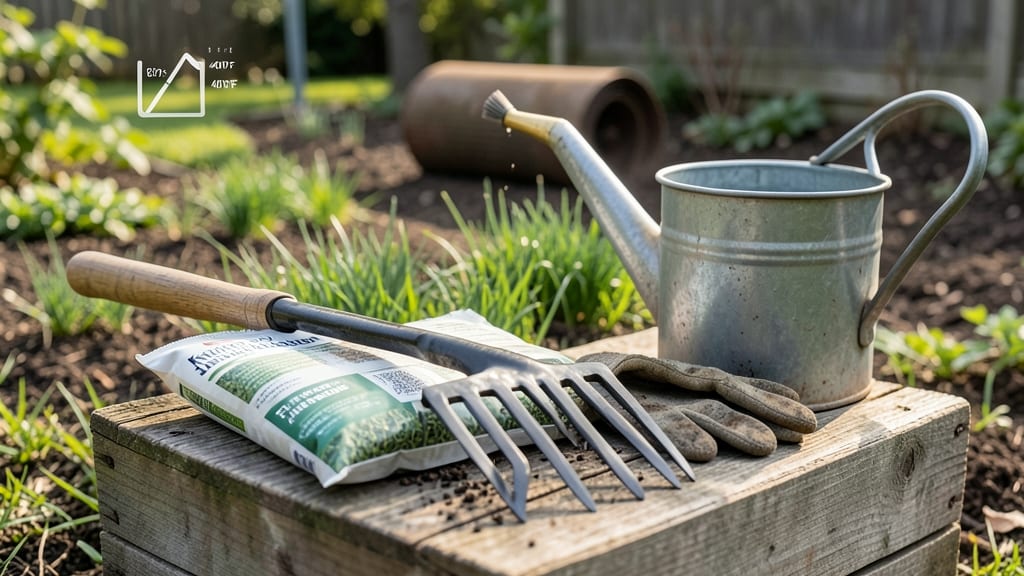
Planting your 🌱 Grass (Lawn) at the wrong time in spring can turn your green dreams into a patchy, slow-growing headache—especially when frost dates and soil temperatures vary by region.
If you've ever stared at your calendar wondering, "When should I plant grass in the spring?" you're not alone. The key to success lies in waiting for soil to warm to 50-65°F and ensuring 4-6 weeks have passed since your last frost date.
This timing difference can mean the difference between a vibrant lawn and wasted effort.
Whether you're in the cooler northern climates or warmer southern regions, I'll break down the exact windows you need to target—plus how to prep your soil for maximum growth. Let's get your lawn off to the right start.
In just a few minutes, you'll know exactly when to plant for your specific climate, along with pro tips to avoid common mistakes that derail even the best-laid plans. Ready to transform your yard?
Ideal soil temperature and frost-free guidelines for planting grass in spring
Getting your spring grass planting timing right depends on two critical factors: soil temperature and frost-free dates. Grass seeds need warm soil—at least 50°F (10°C)—to germinate properly, but planting too early risks frost damage or slow growth.
In most regions, the ideal soil temperature range for seeding is 55-65°F (13-18°C), where roots establish quickly without stress.
Frost is the silent killer of young grass. Even a light late-spring frost can wipe out tender seedlings, so timing your planting 4-6 weeks before your last frost date is non-negotiable. For example, if your last frost date is May 15, aim to plant by April 1-15.
Always check your USDA Hardiness Zone for precise local data—zones 3-5 (northern climates) have later planting windows than zones 7-10 (southern climates).
Here’s the golden rule: Wait until the soil stays consistently above 50°F for at least 5 days in a row. Use a soil thermometer (just $10 at garden centers) to check—stick it 2 inches deep in the morning for the most accurate reading.
If your soil is still cold, delay planting. Rushing leads to patchy, weak lawns that take twice as long to fill in.
| Condition | Specification | Action |
|---|---|---|
| Soil Temperature | 50-65°F (10-18°C) | Plant when soil hits 55°F+ consistently |
| Last Frost Date | 4-6 weeks before | Avoid planting within 30 days of frost risk |
| Northern Climates (Zones 3-5) | April–May | Wait for daytime highs 60°F+ |
| Southern Climates (Zones 7-10) | February–March | Avoid summer heat stress—plant early |
| Transitional Zones (6) | March–April | Monitor weekly forecasts for frost |
Regional variations matter more than you’d think. In northern states like Minnesota or Maine, April planting is standard, but you’ll need to use cool-season grasses like Kentucky Bluegrass or Fescue, which tolerate cooler soils.
Meanwhile, in southern states like Texas or Florida, February is prime time—but avoid planting in peak summer heat (June–August), which causes seed desiccation before germination.
Microclimates within your yard can also shift planting windows. South-facing slopes warm up faster than north-facing areas, so test soil in both spots. If one side hits 55°F two weeks earlier, start there. Low-lying areas may stay colder longer due to cold air pooling—plant those last.
Pro tip: Use a black plastic mulch for 2-3 days before seeding to warm cold soil by 5-10°F.
Don’t ignore rainfall patterns either. If your spring is typically dry (like in the Southwest), schedule planting for March when moisture is more reliable. In wet climates (Pacific Northwest), hold off until May to avoid waterlogged soil.
Always have a 10-day weather forecast handy—you want steady rain or irrigation for the first 2-3 weeks after planting.
One common mistake? Assuming air temperature matches soil temperature. A 70°F day can hide 45°F soil—always check below the surface. If your soil is below 50°F, delay planting. Cold soil = slow germination = weak roots.
For extra insurance, use a seed starter fertilizer (high in phosphorus) to jumpstart root growth in cooler conditions.
Finally, test your soil pH before planting. Most grasses thrive in pH 6.0-7.0. If your soil is too acidic (below 6.0), add lime 4-6 weeks before seeding. For alkaline soil (above 7.0), work in sulfur or peat moss.
Balanced pH ensures nutrient uptake and faster establishment—skipping this step can leave your lawn stunted and yellow.
Timing your spring grass planting isn’t just about dates—it’s about reading your climate like a pro. With the right soil temp, frost-free window, and prep work, you’ll be mowing a thick, vibrant lawn by summer.
And if you nail the timing, you’ll save hours of patchwork repairs later. 🌱
Best spring grass planting months by U.s. region (with local expert tips)
Now that you know the soil temperature and frost-free rules, let’s pinpoint the best months to plant grass in spring based on your U.S. region. Timing isn’t one-size-fits-all—what works in Florida (February) would fry seeds in Minnesota (May).
Below are the optimal planting windows for northern, southern, and transitional zones, plus local pro tips to avoid common pitfalls.
For northern climates (USDA Zones 3-5), think April–May. This window gives seeds time to germinate before summer heat arrives. In Minnesota, Wisconsin, or Maine, aim for late April to early May—just as daytime highs hit 60°F+.
Use cool-season grasses like Tall Fescue or Kentucky Bluegrass, which handle cooler soils better. Pro tip: In Zone 4, cover new seedings with lightweight frost blankets if a late frost is forecasted.
-
🌡️ Northern Zones (3-5): April–May
Soil temp: 55–65°F | Grass type: Cool-season (Fescue, Bluegrass) -
🌞 Southern Zones (7-10): February–March
Soil temp: 60–75°F | Grass type: Warm-season (Bermuda, Zoysia) -
🌿 Transitional Zones (6): March–April
Soil temp: 50–60°F | Grass type: Mix of cool/warm-season -
⚠️ Microclimate Adjustments
South-facing slopes: Plant 1–2 weeks earlier | Valleys: Delay by 1 week -
💧 Watering Rule
Keep soil moist for 21 days post-planting (1 inch/week)
In southern climates (Zones 7-10), February–March is your sweet spot. States like Texas, Florida, or Georgia can plant as early as January in Zone 10, but avoid summer heat (June–August), which causes seeds to dry out before germination.
Opt for warm-season grasses like Bermuda or St. Augustine, which thrive in 75–90°F soil. Pro tip: In Zone 8–10, use shade cloth if planting in peak summer to protect seedlings from intense sun.
If you’re in a transitional zone (Zone 6), like Kansas, Virginia, or Colorado, your window is March–April. Here, you can mix cool-season and warm-season grasses—plant Tall Fescue in early spring for quick cover, then overseed with Zoysia in late summer.
Watch for unpredictable frost: Check the 10-day forecast and delay if frost is predicted within 30 days. Pro tip: In Zone 6, late March is ideal for northern exposures, while early March works for south-facing areas.
Don’t overlook microclimates in your yard. A south-facing slope might hit 55°F two weeks earlier than a north-facing area.
Test soil in both spots with a soil thermometer—if one side is ready, start there. Low-lying areas often stay colder longer due to cold air pooling, so plant those last. For 5–10°F warmer soil in cold spots, lay black plastic mulch 2–3 days before seeding.
Rainfall patterns also shift planting windows. In dry climates (e.g., Arizona, Nevada), schedule planting for March when moisture is more reliable. In wet climates (e.g., Pacific Northwest), hold off until May to avoid waterlogged soil.
Always have a 10-day forecast handy—you want steady rain or irrigation for the first 2–3 weeks after planting. If drought is forecasted, delay planting or use hydro-mulch to retain moisture.
Finally, grass type matters. Cool-season grasses (e.g., Fescue, Bluegrass) need cooler soil (50–65°F) and thrive in northern climates. Warm-season grasses (e.g., Bermuda, Zoysia) prefer warmer soil (65–80°F) and excel in southern regions.
Mixing types? Plant cool-season first in spring, then warm-season in late summer. Pro tip: If you’re unsure, test a small patch of each type to see which establishes faster in your yard.
With these region-specific guidelines, you’ll avoid the #1 mistake of planting at the wrong time—whether it’s frost damage in the North or heat stress in the South.
Next up, I’ll show you the 5 critical mistakes to avoid when planting grass in spring (and how to fix them before it’s too late). 🌱