
Plants
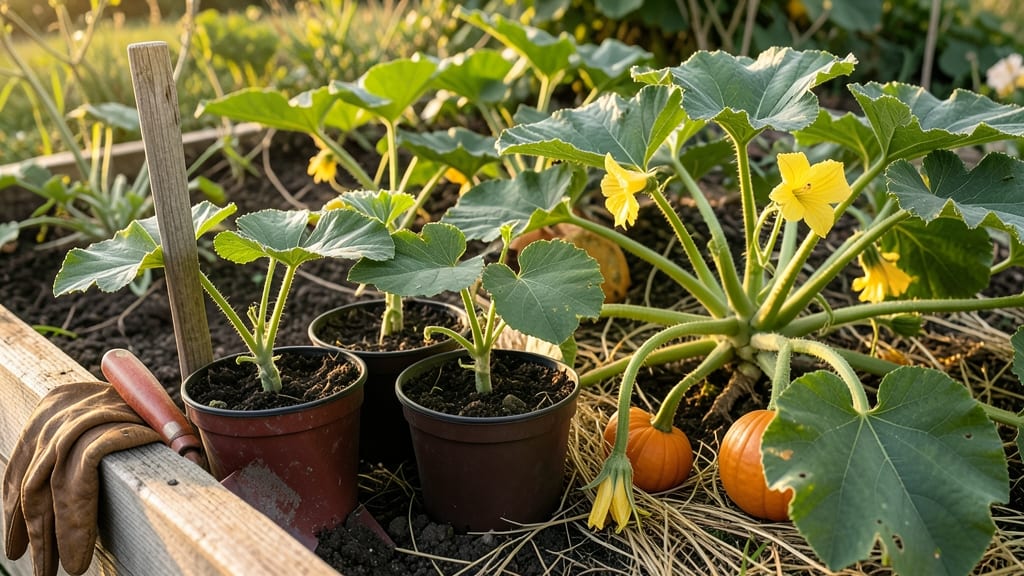
Planting pumpkins in Ohio at the wrong time can mean the difference between a 🎃-filled harvest and wilted vines—especially when spring frost lingers past April 15. The key lies in waiting for soil temperatures to hit 60°F and counting 165 frost-free days to maturity, which varies by variety.
Most Ohio gardeners make the mistake of planting too early, only to watch their seedlings die back when late frosts return. But timing it right—typically 2-3 weeks after your last frost—gives vines the head start they need to spread 10-20 feet and produce fruit before fall sets in.
In this guide, I’ll break down the exact planting windows for Ohio’s USDA Zone 6a, including when to start seeds indoors vs. direct-sowing outdoors. Whether you’re growing carving pumpkins or pie varieties, these tips will help you avoid common pitfalls and maximize your harvest.
Ready to turn your garden into a pumpkin patch? Let’s dive into the frost-date cheat sheet that’ll keep your vines thriving until October’s first chill.
Ohio pumpkin planting timeline by last frost date: a county-by-county guide
Ohio’s last frost date varies dramatically across its 85+ counties, from early May in southern regions like Lawrence County to late May in northern areas like Ashtabula County. This variability means your pumpkin planting window could shift by 3-4 weeks depending on where you live.
For example, gardeners in Cincinnati (Hamilton County) can start planting as early as May 10th, while those in Toledo (Lucas County) should wait until May 20th.
To avoid frost damage to tender seedlings, always use your local USDA zone (Ohio spans USDA Zones 5b-6b) and check the National Weather Service’s frost prediction tools. A general rule: plant 2-3 weeks after your county’s average last frost date when soil temperatures hit 60°F (15°C).
This timing ensures your pumpkin vines have enough time to mature before Ohio’s first frost, typically around October 15th.
Here’s how to use this county-by-county guide to pinpoint your ideal planting date. Whether you’re growing carving pumpkins or winter squash varieties, knowing your exact frost window is key to a successful harvest.
For instance, ‘Jack Be Little’ (a fast-maturing variety) needs 75-85 days to maturity, while ‘Gladiator’ requires 100+ days, so your planting date should reflect these differences.
If you’re unsure about your county’s frost date, use the Old Farmer’s Almanac or your local Cooperative Extension office for real-time updates. For example, in 2023, Columbus (Franklin County) saw its last frost on May 12th, but 2022’s frost lingered until May 22nd.
This inconsistency is why flexible planting—like using row covers—is essential for Ohio gardeners.
For direct-sown pumpkins, which most gardeners prefer, sow seeds 1 inch deep and 2-3 feet apart in hills. If you’re transplanting seedlings, wait until they’ve developed 2-3 true leaves and harden off for 5-7 days before moving them outdoors.
This step is critical in Ohio’s unpredictable spring weather, where late frosts can still occur after the average date.
Another pro tip: plant fast-maturing varieties first if your season is short. For instance
Ohio pumpkin planting timeline by last frost date: a county-by-county guide
Ohio’s 85+ counties experience frost dates that can vary by 2-3 weeks, making a one-size-fits-all planting date risky. For example, northwest Ohio (like Lucas County) often sees its last frost around May 5, while southeast Ohio (like Athens County) may wait until May 20.
These differences mean your carving pumpkins could face frost damage if planted too early in cooler regions.
To simplify, I’ve organized planting windows by Ohio’s three main frost zones: Early (south), Mid (central), and Late (north).
Use your county’s USDA Zone 6a data to pinpoint your exact window—most gardeners in Ohio should aim for late May to early June for direct sowing, but indoor starts can begin 2-3 weeks earlier.
🌱 Visual Guide: Ohio Pumpkin Planting Windows by Frost Zone
| Frost Zone | Last Frost Date | Direct Sowing Window | Indoor Start Window | Soil Temp Threshold |
|---|---|---|---|---|
| Early (Southeast) | May 15-20 | May 25 - June 5 | April 20 - May 5 | 60°F+ (15°C) |
| Mid (Central) | May 1-10 | May 20 - June 1 | April 15 - April 30 | 60°F+ (15°C) |
| Late (Northwest) | April 25 - May 5 | May 15 - May 30 | April 1 - April 15 | 60°F+ (15°C) |
📍 Pro Tip: Check your county’s last frost date via Old Farmer’s Almanac or NOAA for precision.
For winter squash varieties like ‘Sugar Pie’, you can push planting slightly later (up to June 10) since they mature faster (85-90 days). However, carving pumpkins (e.g., ‘Howden’) need the full 100-120 days, so stick to the earlier windows.
If you’re in doubt, opt for succession planting: sow a second batch 2 weeks later to hedge against late frosts.
Soil temperature is just as critical as frost dates. Use a soil thermometer to confirm 60°F+ before planting—cold soil delays germination and invites fungal diseases. In northern Ohio, where soils warm slower, consider black plastic mulch to raise temperatures by 5-10°F.
This simple hack can shave 1-2 weeks off your growing season.
Don’t overlook microclimates in your yard. South-facing slopes or urban heat islands (like Columbus’ downtown) may frost-free 10 days earlier than surrounding areas. Plant test rows in these spots to compare growth rates.
And if you’re near large bodies of water (e.g., Lake Erie), expect cooler, slower starts—delay planting by 5-7 days to avoid frost damage.
Finally, mark your calendar for October 15, Ohio’s average first frost. This is your hard stop for harvesting—pumpkins left on the vine past this date risk rot or frost cracks. Use this timeline to plan your harvest festival or pie-baking schedule!