
Planting
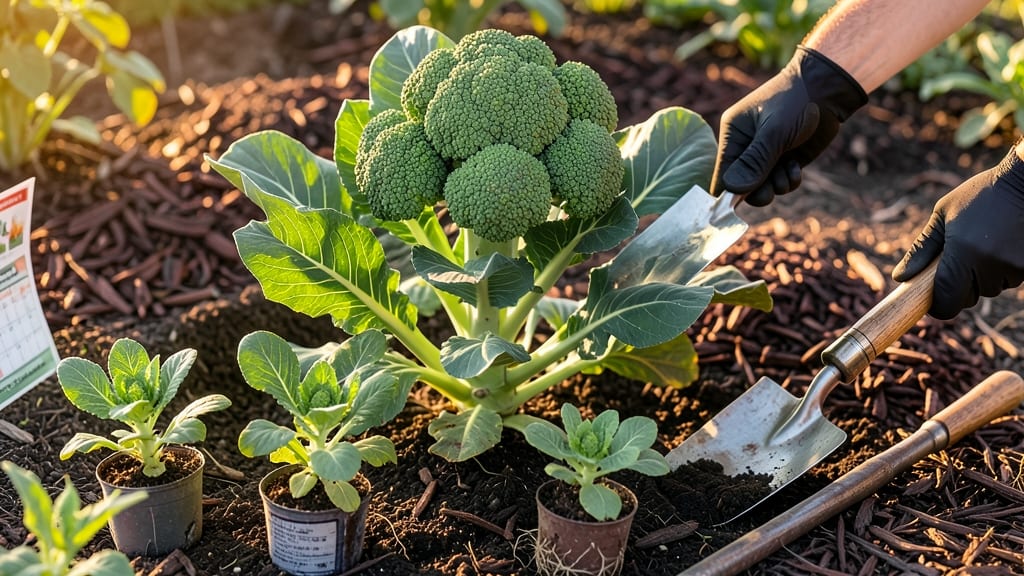
To plant a fall garden in Zone 7 without rushing or wasting time, timing is everything—especially when you’re working with just 6-8 weeks before frost.
The key isn’t guessing; it’s knowing exactly when to start seeding or transplanting your 🌱 Fall Garden Vegetables (General) so they mature before the cold sets in.
Most gardeners in Zone 7 assume they’ve missed their chance after summer, but that’s not true. By planting in mid-to-late summer (August-September), you can still enjoy fresh greens, root vegetables, and even some brassicas like broccoli or kale.
The trick? Choosing fast-growing varieties and spacing your plantings right to stretch harvests through October and beyond.
I’ve learned the hard way that planting too late means bolting spinach or stunted carrots, while starting too early can leave crops vulnerable to pests or heat stress.
What you really need are the exact weeks before frost to aim for—plus a few pro tips to protect your plants from Zone 7’s unpredictable fall weather.
In this guide, I’ll break down the fastest way to grow a fall garden, including the best crops for your zone, soil prep secrets, and how to avoid common mistakes that kill harvests. Let’s get those seeds in the ground the right way.
Exact weeks before frost to plant fall vegetables in Zone 7
Zone 7 gardeners have a 6-8 week window before the first frost (typically October 15-20) to plant cool-season crops. This means starting in mid-August for fast-maturing varieties like radishes or spinach, while slower growers like Brussels sprouts need an earlier start in late July.
Your last frost date (April 15) doesn’t matter for fall planting—focus on the first frost. Use your local USDA Zone 7a/7b average to adjust timing. For example, Zone 7a (colder) may need planting 2 weeks earlier than Zone 7b.
Here’s the golden rule: Calculate backward from your first frost date. If frost hits October 15, plant leafy greens by September 1 and root crops by August 15.
Microclimates matter! South-facing beds stay warmer and can extend your window by 1-2 weeks. Use row covers to push back frost sensitivity for 2-4 extra weeks.
Soil temperature is critical. Cool-season crops thrive in 50-75°F soil. Test yours—if it’s above 80°F, wait or use shade cloth to cool it down.
🌱 Fall Planting Timeline for Zone 7
| Crop Type | Planting Window | Weeks Before Frost | Notes |
|---|---|---|---|
| Leafy Greens (spinach, kale, lettuce) | August 15–September 15 | 6–8 weeks | Bolt-resistant varieties preferred |
| Root Vegetables (carrots, beets, radishes) | July 30–August 30 | 8–10 weeks | Can overwinter with mulch |
| Brassicas (broccoli, cabbage, Brussels sprouts) | July 15–August 15 | 10–12 weeks | Start indoors for head starts |
| Alliums (onions, garlic, leeks) | August 1–September 1 | 7–9 weeks | Onions need 100+ days to mature |
| Peas & Beans (sugar snap, shelling peas) | August 10–September 10 | 6–8 weeks | Tolerate light frosts (28°F) |
⚠️ Pro Tip: Use succession planting every 2 weeks for continuous harvests!
Direct-sow fast growers like radishes (25 days) or turnips (30 days) as late as September 15. For transplants (e.g., kale, broccoli), harden off seedlings for 7–10 days before setting them out.
Adjust for late summer heat. If temperatures exceed 90°F, use shade cloth (30–50%) or plant in afternoon shade to prevent bolting in leafy greens.
Mulch heavily with straw or leaves after planting to retain moisture and suppress weeds. This is especially critical in Zone 7’s dry summers, where soil can dry out quickly.
Monitor your local extended forecast. An early frost? Rush-mature fast crops like bush beans or spinach. Use row covers to protect tender crops until 2 weeks before frost.
Don’t forget soil prep! Amend beds with compost and a balanced fertilizer (10-10-10) 2–3 weeks before planting. Cool-season crops thrive in slightly acidic soil (pH 6.0–7.0).
Exact weeks before frost to plant fall vegetables in Zone 7
Zone 7 gardeners have a 6-8 week window before the first frost (typically October 15-20) to plant cool-season crops. This means starting as early as mid-August for fast-maturing varieties like radishes or spinach, while slower growers like Brussels sprouts need a September start.
The key is calculating backward from your average first frost date—check your local USDA records for precision.
For example, if your frost date is October 25, plant leafy greens by September 10 (6 weeks) and root vegetables by September 15 (7 weeks).
Use this rule of thumb: 60 days to maturity = plant by August 25, 45 days = September 10, and 30 days = September 25. Adjust for microclimates—south-facing beds stay warmer longer.
| Crop | Days to Maturity | Plant By (Zone 7) | Notes |
|---|---|---|---|
| Radishes | 25-30 | September 25 | Fastest crop; succession plant every 2 weeks |
| Spinach | 40-50 | September 10 | Tolerates light frost; harvest before bolting |
| Carrots | 60-70 | August 25 | Can overwinter; mulch heavily |
| Broccoli | 70-80 | August 15 | Start indoors for head protection |
| Kale | 50-60 | September 1 | Sweeter after frost; harvest outer leaves |
Don’t overlook succession planting—sow fast growers like lettuce every 10-14 days after your initial planting to ensure continuous harvests. For example, plant 3 batches of radishes in late August, early September, and mid-September to enjoy fresh harvests through October.
Use row covers to extend the season by 2-3 weeks, especially for cabbage or Brussels sprouts.
Soil temperature matters too—most cool-season crops thrive in 45-75°F soil.
Test your soil before planting; if it’s above 80°F, wait or use shade cloth to prevent bolting. Peas and fava beans are exceptions—they prefer cooler soil (50-70°F) and can handle early September planting for a late fall harvest.
Pro tip: Mark your calendar for September 15 as your last chance to plant slow growers like cauliflower (80+ days to maturity). After that, focus on 30-50 day crops like turnips or mustard greens.
Use a planting calendar or app to track progress and adjust for unpredictable weather—a late heatwave in September can delay harvests by 1-2 weeks.
Remember, Zone 7’s fall garden thrives on precision timing and crop selection. Start with your first frost date, work backward, and prioritize fast-maturing varieties to avoid disappointment. With the right approach, you’ll harvest fresh greens until December—or even later with protection! 🌱