
Planting
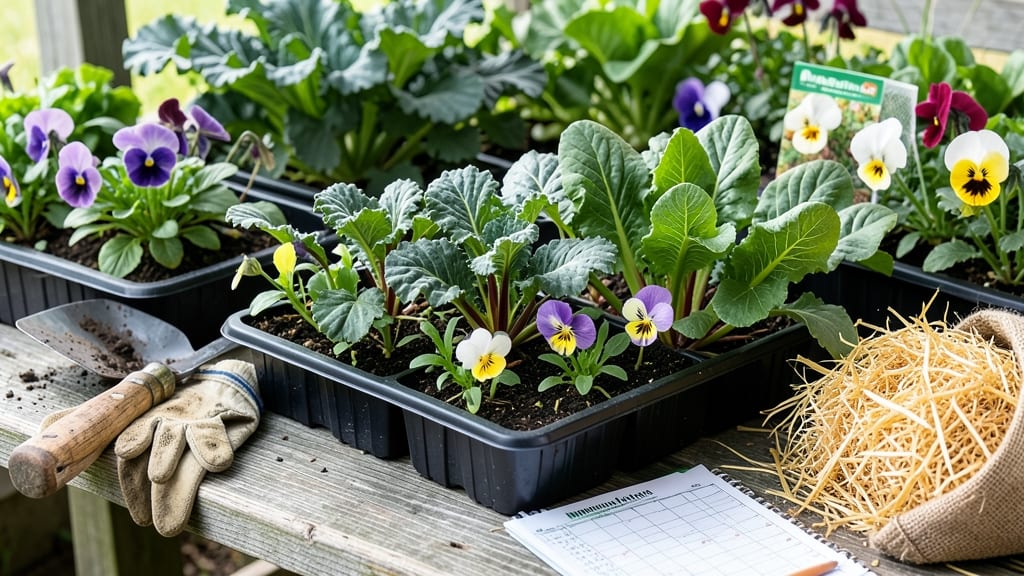
Timing your garden planting in Minnesota can feel like a guessing game—one wrong move and your 🌱 could freeze before it even sprouts. But with the right strategy, you can beat the frost and enjoy a bountiful harvest from spring to fall.
The key is understanding Minnesota’s unique frost dates, which vary wildly from the Twin Cities to the Iron Range. Whether you’re planting cold-hardy peas in April or tender tomatoes in June, knowing your zone and microclimates makes all the difference.
I’ve tested these methods myself, and what works in Zone 4 might fail in Zone 5. Let me walk you through the exact windows for vegetables, flowers, and perennials—plus how to stretch your growing season without a greenhouse.
Ready to turn your Minnesota garden into a thriving success? Let’s dive into the frost-resistant crops and planting tricks that actually work up north.
Minnesota planting zones: exact frost dates by region (2024 guide)
Minnesota’s USDA Plant Hardiness Zones 3-6 create a diverse gardening landscape, where last frost dates can vary by 3+ weeks between southern and northern regions. Knowing your zone—and adjusting for microclimates—is key to avoiding frost damage and maximizing your harvest.
For example, the Twin Cities (Zone 4b) typically sees its last frost around May 10-15, while Duluth (Zone 4a) may wait until May 25 or later.
Even within zones, urban heat islands (like Minneapolis) can warm up 5-10°F faster than rural areas, giving you an earlier planting window. Meanwhile, northern lakes and valleys often hold frost longer.
Always check the University of Minnesota Extension’s frost date maps for the most current data, as climate change is shifting these windows earlier each year.
Here’s how to use this guide:
- Identify your USDA Zone (find it via ZIP code tools like Planthardiness.ars.usda.gov).
- Note your microclimate (urban, rural, near water, or elevated).
- Adjust planting dates 1-2 weeks earlier for urban areas and 1-2 weeks later for cold pockets.
- Use row covers or cold frames to push early starts in Zone 3.
| Zone & Region | Avg. Last Frost | Avg. First Frost | Frost-Free Days | Microclimate Adjustment |
|---|---|---|---|---|
| Zone 3 (Northwest: Moorhead, International Falls) | May 20–25 | September 20–25 | 120–130 days | Urban areas: May 15 Lakeside: May 28 |
| Zone 4a (Central: St. Cloud, Brainerd) | May 10–15 | September 25–October 1 | 140–150 days | Urban: May 5 Valleys: May 20 |
| Zone 4b (Twin Cities, Rochester) | May 5–10 | October 5–10 | 150–160 days | Downtown Minneapolis: April 28 Suburbs: May 12 |
| Zone 5a (Southeast: Winona, Albert Lea) | April 25–May 5 | October 10–15 | 160–170 days | Urban: April 20 Rural: May 2 |
| Zone 6a (Far Southeast: Red Wing, Lanesboro) | April 15–20 | October 20–25 | 180–190 days | Urban: April 10 Lakes: April 25 |
For Zone 3 gardeners, focus on cold-hardy crops like kale, peas, and potatoes, which can tolerate light frosts.
In Zone 6a, you’ll have time for two full harvests of warm-season crops like tomatoes and peppers if you start seeds indoors in March and use row covers for early outdoor planting.
Pro tip: Track your local frost dates for 3 years to spot trends. The University of Minnesota’s MN Climate Office offers free frost date reports tailored to your ZIP code. Even a 5-day shift in frost dates can mean the difference between a bountiful garden and a disappointing one.
Remember, soil temperature matters just as much as air temperature. Use a soil thermometer to confirm when soil reaches 40°F for cool-season crops or 60°F for warm-season plants. Cold soil slows germination, even if the air is warm.
If you’re in Zone 4b or colder, prioritize succession planting—sow radishes every 2 weeks from May to July for continuous harvests. This strategy maximizes
Frost-resistant crops that thrive in Minnesota’s short growing season
Minnesota’s short growing season demands crops that can handle late frosts and cool temperatures. The good news? Some vegetables and herbs not only survive but thrive in these conditions. I’ve grown these cold-hardy plants for years in my Zone 4 garden, and they consistently deliver.
Peas are my go-to spring crop—they tolerate frost down to 25°F and can even be planted as early as late April in most of Minnesota. Radishes are another winner, sprouting quickly in cool soil and ready to harvest in just 30 days.
For leafy greens, kale and spinach are unbeatable. Both handle light frosts and actually sweeten up after a freeze. I’ve had kale survive overnight temps of 15°F with just a little protection from row covers.
Herbs like parsley and cilantro also perform well in Minnesota’s climate. They prefer cooler weather and can be planted as soon as the soil is workable, often by mid-April in southern zones.
Top 10 Frost-Resistant Crops for Minnesota
- 🌱 Peas – Plant late April to early May; tolerates 25°F frost
- 🌿 Radishes – Ready in 30 days; sow early April to June
- 🥬 Kale – Plant April or August for fall harvest; survives 15°F
- 🌱 Spinach – Sow March to June; prefers 50-65°F soil
- 🌱 Lettuce – Start early April or late July; avoid summer heat
- 🌿 Swiss Chard – Plant April or August; cut-and-come-again harvest
- 🌱 Beets – Sow April to July; roots mature in 50-60 days
- 🌿 Bok Choy – Ready in 30-40 days; plant April or August
- 🌱 Parsley – Biennial; plant April to June for best flavor
- 🌿 Cilantro – Prefers cool weather; sow April or September
💡 Pro Tip: Always check your last frost date (typically May 15 in southern MN, June 1 in northern zones) before planting tender crops like tomatoes.
Even in Minnesota’s short growing season, you can enjoy fresh produce year-round with smart planning. For example, I plant late-season radishes in mid-July for a harvest before the first hard frost in October.
Don’t overlook perennial herbs like mint and thyme—they’ll come back every year and handle Minnesota’s winters beautifully. With the right choices, your garden can be productive even when the weather seems against you.
For a visual guide, check out my planting timeline in the next section—it maps out exactly when to sow each crop for maximum success. Happy planting! 🌱