
Planting
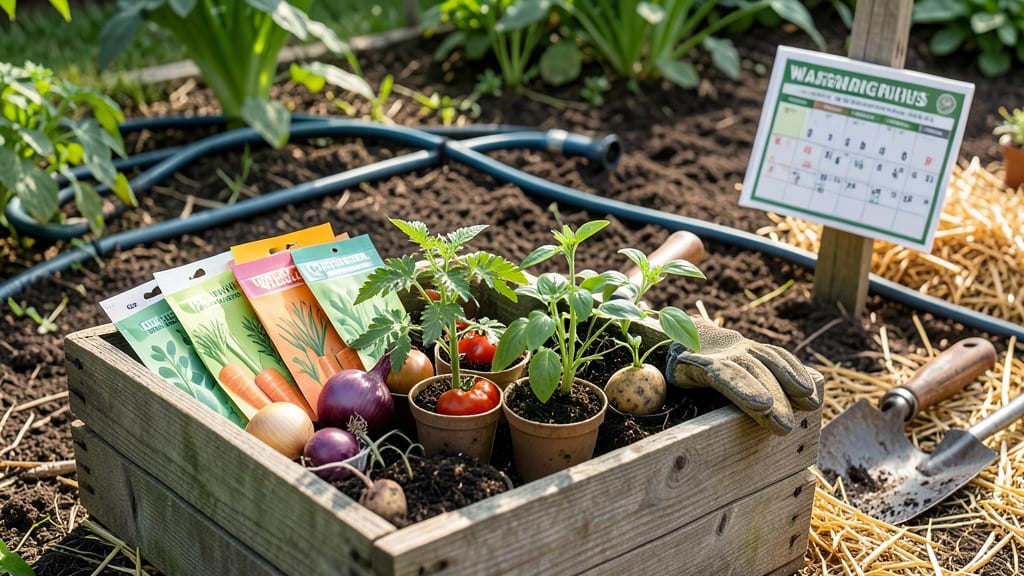
Planting a garden in Washington State feels like solving a puzzle—except the rules change depending on whether you're in rain-soaked Seattle or sunbaked Yakima. The wrong timing can mean wilted seedlings or missed harvests, but getting it right means a bounty of fresh veggies and blooms all season long.
With USDA zones ranging from 5b in Eastern WA to 9a along the coast, your planting window could shift by 6 weeks or more.
I’ve dug into the data to give you the exact start dates for your microclimate, so you can beat the frost, avoid heat stress, and grow like a pro—no guesswork required.
From cool-season greens that thrive in early spring to heat-loving tomatoes that need summer’s warmth, we’ll cover what to plant and when. Whether you’re a first-time gardener or a seasoned green thumb, these zone-specific tips will help you time your garden perfectly for Washington’s unpredictable weather.
Ready to turn your yard into a thriving 🌱 paradise? Let’s break down the best planting schedule for your corner of the Evergreen State—so you can enjoy homegrown goodness from spring to fall.
Washington State planting zones: exact start dates by microclimate
Washington State spans USDA hardiness zones 5b to 9a, creating dramatic differences in planting schedules.
In Zone 9a (e.g., Seattle, Bellingham), you can start cool-season crops like spinach and kale as early as February, while Zone 5b (e.g., Spokane, Wenatchee) waits until late April or May to avoid frost damage.
These variations mean your last frost dates can shift by 6+ weeks across the state.
Microclimates add another layer of complexity. Coastal areas like Olympia experience milder winters, while inland valleys like the Columbia Basin face earlier frosts. Even within cities, urban heat islands can push planting dates 1-2 weeks earlier than rural areas.
Understanding these nuances ensures your tomatoes, peppers, and herbs thrive without wasted effort.
Below is a zone-by-zone breakdown of ideal planting windows, including adjustments for early spring, late spring, and summer crops. Use this as your guide to sync your garden with Washington’s unpredictable—but rewarding—growing seasons.
🌱
| Zone & Location | Last Frost Date | Early Spring Crops (Start) | Late Spring Crops (Start) | Summer Crops (Start) |
|---|---|---|---|---|
| Zone 9a (Seattle, Bellingham) | March 15 | Feb 1 (spinach, peas) | Apr 15 (lettuce, carrots) | May 1 (tomatoes, peppers) |
| Zone 8a (Port Angeles) | March 30 | Feb 15 (kale, broccoli) | Apr 1 (radishes, beets) | May 10 (cucumbers, basil) |
| Zone 7b (Olympia) | April 10 | Mar 1 (peas, lettuce) | Apr 15 (onions, potatoes) | May 20 (squash, beans) |
| Zone 6b (Yakima) | May 1 | Apr 1 (hardy greens) | May 1 (cool crops) | Jun 1 (tomatoes, peppers) |
| Zone 5b (Spokane) | May 15 | Apr 15 (cold-hardy crops) | May 10 (potatoes, peas) | Jun 15 (warm-season plants) |
For warm-season crops like tomatoes and peppers, wait until 2-3 weeks after your last frost date to plant outdoors. In Zone 9a, this means mid-May, while Zone 5b gardeners should hold off until late June. Use row covers to extend early planting in cooler zones.
In Zone 9a, you can even plant fall crops like kale and Brussels sprouts as early as July for a harvest before winter. Meanwhile, Zone 5b gardeners should focus on late-summer crops like beets and carrots planted by August 1 to mature before frost.
Pro tip: Check soil temperatures before planting. Most warm-season crops need soil at 60°F+, while cool-season crops thrive in 40-50°F. Use a soil thermometer to avoid delays—especially in Eastern Washington’s dry, warming soils.
🌿
Container gardeners in urban areas (e.g., Seattle, Tacoma, Spokane) can start indoor seedlings 6-8 weeks before your zone’s last frost. For example, Zone 7b gardeners should begin tomato seeds indoors by March 1
How to adjust planting times for Washington’s unpredictable weather
Washington’s weather can shift from chilly coastal fog to sudden heatwaves in days, throwing off even the most careful planting plans. I’ve learned to watch for soil temperature spikes—like the 2021 Yakima heatwave that fried my tomato seedlings in three days.
Adjusting your schedule isn’t just about frost dates; it’s about real-time climate cues.
Start by checking soil temperatures with a soil thermometer—most seeds need 40–60°F for germination.
In Zone 8 (Western WA), I wait until soil hits 55°F for tomatoes, even if the air feels warm. Eastern WA’s arid zones (Zone 5b) can dry out faster, so I plant 1–2 weeks earlier to avoid stress.
🚨 BELOW 🚨
⚠️ The 7-Day Rule for High-Risk Zones
If your area has a 10%+ chance of frost within 7 days (check NOAA forecasts), delay planting warm-season crops like peppers or cucumbers. Use row covers or move pots indoors if temps drop below 50°F.
For coastal areas (Seattle, Bellingham), delay planting if morning fog lingers past 10 AM—it can keep soil 10°F cooler than inland zones. I’ve seen spinach bolts in three days when planted too early in Zone 8.
Conversely, Eastern WA’s dry heat (like in Walla Walla) means I plant earlier to avoid July drought stress.
Use crop rotation to hedge against weather surprises. For example, plant radishes (25 days to harvest) alongside slow-growing carrots (70 days)—this way, if a late frost hits, you’ll still get some harvests.
I also keep 2–3 sets of seeds for critical crops, staggered by 10-day intervals, to spread risk.
Don’t forget container gardens in urban areas like Spokane or Tacoma. Containers heat up faster and dry out 3x quicker than in-ground soil. I plant container crops 2–3 weeks later than ground plants and use self-watering pots to prevent root stress during heatwaves.
Finally, track your local microclimate for 3 years to spot patterns.
My Seattle balcony gets 50% more sun than my backyard, so I adjust planting dates by 2 weeks for containers there. Weather stations like Rainwise or even a free NOAA app can save your garden from unpredictable surprises. 🌧️