
Plants
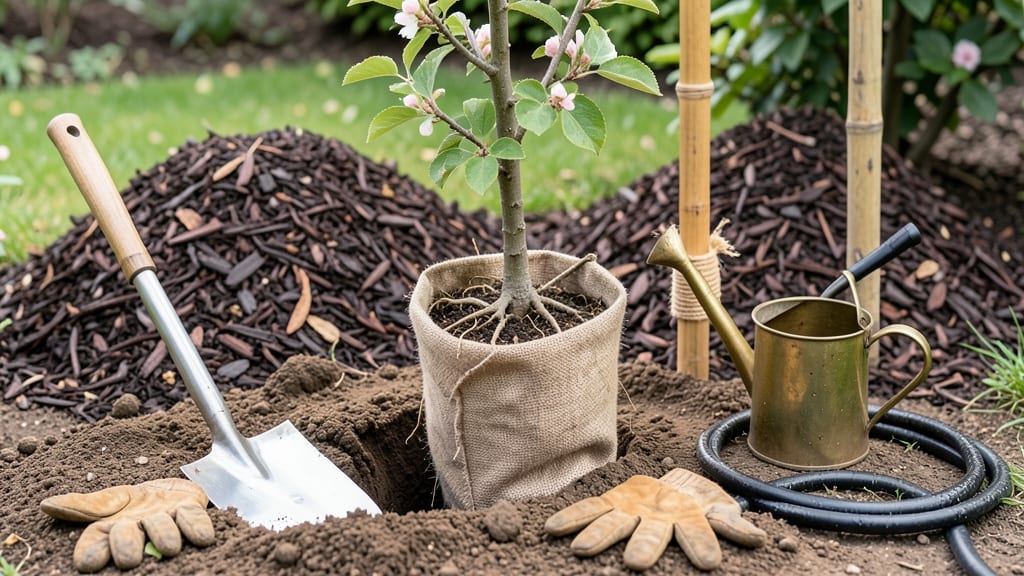
To plant a tree in the ground at the right time is the difference between a thriving 🌳 and one that struggles from day one—especially in USDA Zone 6a, where frost can be a silent killer.
Late winter to early spring (before bud break) or fall (4-6 weeks before the first frost) are your golden windows, but even then, soil temperature and local microclimates play a huge role.
Why does timing matter so much? Because trees need time to establish roots before the stress of summer heat or winter cold hits.
In my experience, planting too late in fall risks exposing young roots to frost damage, while spring planting gives your tree a full growing season to settle in. But what if you're in a warmer region? Let’s break down the best strategies for your climate.
Most gardeners focus only on the calendar, but the real secret lies in understanding your tree’s needs. Should you plant bare-root or container-grown? How deep should the hole be? And what’s the best way to water afterward?
I’ll walk you through every step—from preparing the soil to post-planting care—to ensure your tree not only survives but thrives for decades.
Ready to get started? Whether you’re a beginner or a seasoned gardener, these proven tips will help you avoid common mistakes and give your tree the best possible start. Let’s dig in!
Best months to plant trees by climate zone for maximum survival rates
Timing your tree planting is critical for survival—plant too early or late, and your tree struggles to establish roots before stress sets in.
The ideal window varies by climate zone, but most experts agree on two prime periods: late winter to early spring (before bud break) and fall (4-6 weeks before first frost). Let’s break down the best months by region to maximize your tree’s chances of thriving.
In temperate zones (like USDA Zones 5-8), spring planting—typically March through May—gives roots time to grow before summer heat arrives. Fall planting, usually September through November, allows roots to establish before winter dormancy.
Meanwhile, tropical and subtropical zones (Zones 9-12) can plant year-round, though avoid peak heat (June-August) to prevent transplant shock.
Arid climates (like the Southwest) have a narrower window—plant in late fall or early spring to avoid extreme summer drought. Cold climates (Zones 1-4) should focus on late spring planting (May-June) to ensure soil thaws before planting.
| Climate Zone | Best Planting Months | Key Considerations |
|---|---|---|
| Temperate (Zones 5-8) | March-May (spring) or September-November (fall) | Avoid planting after bud break in spring or before first frost in fall. |
| Tropical/Subtropical (Zones 9-12) | Year-round (avoid June-August) | Prioritize rainy seasons for moisture; mulch heavily in dry periods. |
| Arid (Southwest, Zones 7-9) | Late October-February | Plant when soil is moist but not waterlogged; use drip irrigation afterward. |
| Cold (Zones 1-4) | May-June (after last frost) | Choose cold-hardy species like oak or maple; protect roots with mulch in winter. |
For container-grown trees, you have more flexibility—they can be planted year-round in mild climates, but spring or fall still offer the best conditions. Bare-root trees, however, must be planted during their dormant season (usually late fall or early spring) to avoid stress.
Soil temperature is another critical factor. Roots struggle to grow in cold soil (below 50°F/10°C) or scorching heat (above 85°F/29°C). Use a soil thermometer to check—ideal planting temps are 50-70°F (10-21°C). In warmer zones, early morning planting helps reduce heat stress.
Regional microclimates also play a role. For example, coastal areas may have milder winters, allowing fall planting into December, while inland zones should stop by November. Always check your local frost dates and adjust accordingly.
Pro tip: If you miss the ideal window, container-grown trees can be planted in summer with extra care—water deeply twice weekly and shade the root ball. But for bare-root trees, waiting until next spring is safest.
Remember, root establishment is the name of the game. A tree planted in the right season with proper care can grow 3x faster in its first year than one planted at the wrong time. Don’t rush—give your tree the best start possible!
How to prepare your tree and soil for planting success
Preparing your tree and soil properly before planting is just as critical as choosing the right time. A well-prepared planting site helps roots establish quickly, reducing transplant shock and ensuring long-term health. Start by assessing whether you're planting a container-grown or bare-root tree—each requires different prep steps.
For container-grown trees, gently remove the root ball and loosen any circling roots that may have formed. This encourages outward root growth into your garden soil.
If the roots are tightly bound, use your fingers or a root pruning knife to carefully tease them apart without damaging the main root structure.
Soil preparation begins with a soil test to check pH and nutrient levels. Most trees thrive in slightly acidic to neutral soil (pH 6.0-7.0).
If your soil is too heavy or clay-like, amend it with compost or organic matter like aged manure or coconut coir to improve drainage and aeration.
Avoid adding too much organic matter to sandy soil—it can create waterlogged conditions that suffocate roots. Instead, blend amendments evenly into the native soil to achieve a balanced texture. Test your soil's drainage by digging a hole and filling it with water; if it drains in less than 2 hours, your soil is well-suited for most trees.
When digging the planting hole, make it twice as wide as the root ball but no deeper. This prevents root suffocation from being buried too deeply. Loosen the sides of the hole to encourage root penetration into the surrounding soil.
If your native soil is compacted, consider adding a layer of garden loam or topsoil to the bottom of the hole for better root contact.
Before placing your tree in the hole, create a mound of native soil in the center. This helps position the root flare—the area where roots meet the trunk—above ground level.
Proper flare placement prevents girdling roots and promotes healthy growth. Water the root ball thoroughly before planting to reduce transplant shock and encourage root expansion.
After planting, apply a 2-3 inch layer of mulch around the base of the tree, keeping it 6 inches away from the trunk to prevent rot. Mulch retains moisture, regulates soil temperature, and suppresses weeds.
In dry climates, use organic mulches like wood chips or straw, while wet climates benefit from gravel or bark mulch for better drainage.