
Planting
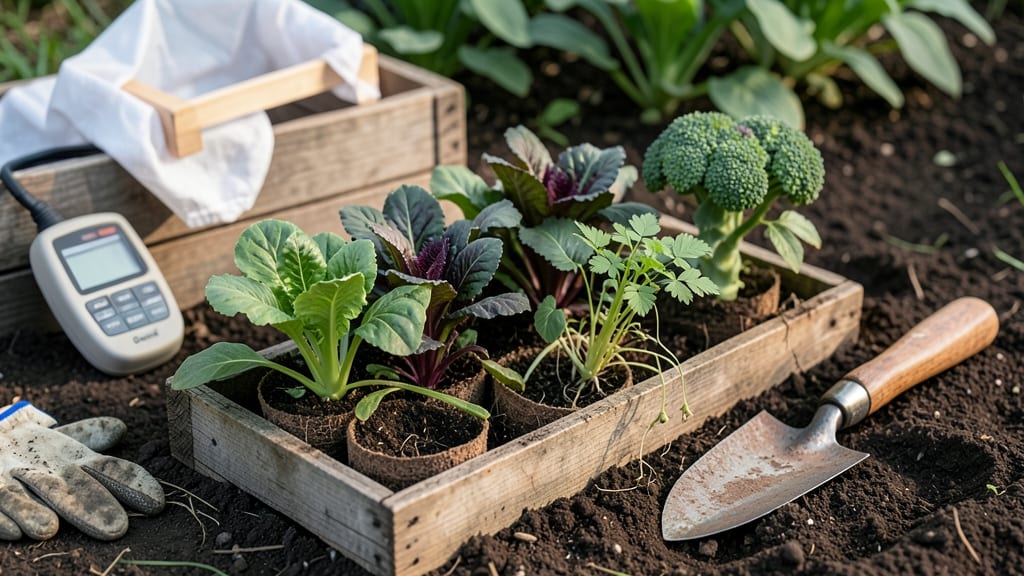
Timing your vegetable garden in New York can feel like playing a high-stakes game of chance—plant too soon and frost ruins your crop, too late and you miss the growing window entirely.
The key to success lies in understanding your local frost dates and how they shift across regions like the Hudson Valley, Long Island, or Upstate NY.
I’ve spent years growing gardens in New York’s varied climates, and what I’ve learned is that spring planting deadlines aren’t one-size-fits-all. Cool-season crops like spinach and lettuce can handle early starts, while tomatoes and peppers need to wait until after the last frost—usually mid-May in most zones.
But don’t guess: I’ll break down the exact windows for your area, so you can plant with confidence.
What about fall? Many gardeners overlook this second chance to grow, but with the right crops and timing, you can extend your harvest well into October. Whether you’re in NYC’s Zone 7b or a cooler Upstate region, I’ll show you how to maximize your garden’s potential year-round.
Ready to stop second-guessing and start planting with precision? Let’s dive into the step-by-step timeline that’ll help you grow a thriving vegetable garden, no matter where in New York you’re located.
New York’s spring planting deadlines by vegetable type: frost dates & Hardiness Zones
New York’s USDA Hardiness Zones 5-7 mean your planting window varies dramatically from Upstate (Zone 5) to NYC (Zone 7b).
The average last frost date ranges from early May in the Hudson Valley to mid-May in Long Island, while first frost arrives as early as October 15th in the Adirondacks. These dates determine whether you’ll grow cool-season crops like spinach or warm-season lovers like tomatoes.
For cool-season vegetables, start seeds indoors 4-6 weeks before your last frost date. In Zone 7b (NYC), that means mid-March for lettuce and kale.
Meanwhile, warm-season crops like tomatoes and peppers need to wait until after the last frost—plant them 2-3 weeks before summer heat settles in (typically early June in most regions).
Microclimates matter! Urban areas like Brooklyn can be 2-3°F warmer than rural Dutchess County, delaying frost by 1-2 weeks. Always check local frost date averages from Cornell University’s Garden-Based Learning or NYS Agricultural Extension for precise timing.
Here’s your New York spring planting timeline by crop type, accounting for soil warmth and frost risk:
| Crop Type | Planting Window | Soil Temp Requirement | NYC (Zone 7b) | Upstate (Zone 5-6) |
|---|---|---|---|---|
| Cool-Season (Lettuce, Spinach, Peas) | Early spring (March-April) | 40-50°F | March 15-April 15 | April 1-May 1 |
| Warm-Season (Tomatoes, Peppers, Cucumbers) | After last frost (May-June) | 60°F+ | May 15-June 1 | May 20-June 10 |
| Root Crops (Carrots, Beets, Radishes) | Early spring or late summer | 50-60°F | March 20-April 30 | April 10-May 15 |
| Onions & Garlic | Early spring (fall-planted garlic) | 40-50°F | March 1-April 15 | April 1-May 1 |
| Corn | Late spring (after soil warms) | 65°F+ | May 15-June 1 | May 20-June 10 |
For tomatoes and peppers, always start seeds indoors 6-8 weeks before your last frost date. In Zone 7b, that’s mid-March, while Upstate gardeners should begin in late March. Transplant seedlings outdoors only after soil reaches 60°F—use a soil thermometer to avoid stunted growth.
Pro tip: Succession planting works wonders in New York. For lettuce or radishes, sow seeds every 2 weeks from March to July to ensure a continuous harvest. This extends your growing season and maximizes yield before first frost hits.
Don’t forget hardening off seedlings! Acclimate indoor plants to outdoor conditions over 7-10 days before transplanting. Start by placing them in partial shade for a few hours, then gradually increase exposure to full sun. This reduces transplant shock and boosts survival rates.
If you’re in Zone 5 (Upstate), consider using row covers or cold frames to extend your cool-season planting by 2-3 weeks. These tools protect young plants from late spring frosts and allow you to plant spinach or kale as early as late March.
For urban gardeners, container planting offers flexibility. Choose compact varieties like ‘Tiny Tim’ tomatoes or ‘Paris Market’ carrots, which thrive in pots and can be moved
Fall planting in New York: extending your growing season with the right crops
New York’s fall season offers a second chance to grow fresh vegetables before winter sets in. Unlike spring planting, fall gives you cooler temperatures and shorter daylight, but with the right crops and timing, you can enjoy a bountiful harvest.
The key is selecting cold-hardy vegetables that thrive in autumn’s milder weather.
Start planning your fall garden by checking your local first frost date. In most of New York, this falls between mid-October and early November, depending on your region.
For example, Upstate NY tends to have earlier frosts than Long Island or NYC. Planting 6-8 weeks before the first frost ensures your crops mature before winter arrives.
Here’s how to maximize your fall harvest with the right timing and crops:
For NYC’s Zone 7b, aim to plant spinach and kale by mid-August and broccoli by early September. In Upstate NY (Zones 5-6), shift these dates back by 1-2 weeks to account for earlier frosts. Always check Cornell Cooperative Extension for region-specific advice.
Protect your fall garden from pests like cabbage worms and aphids by using row covers or organic sprays. Mulch with straw or leaves to insulate soil and retain moisture as temperatures drop. With the right prep, your fall garden can be just as productive as spring!
🌱