
Trees
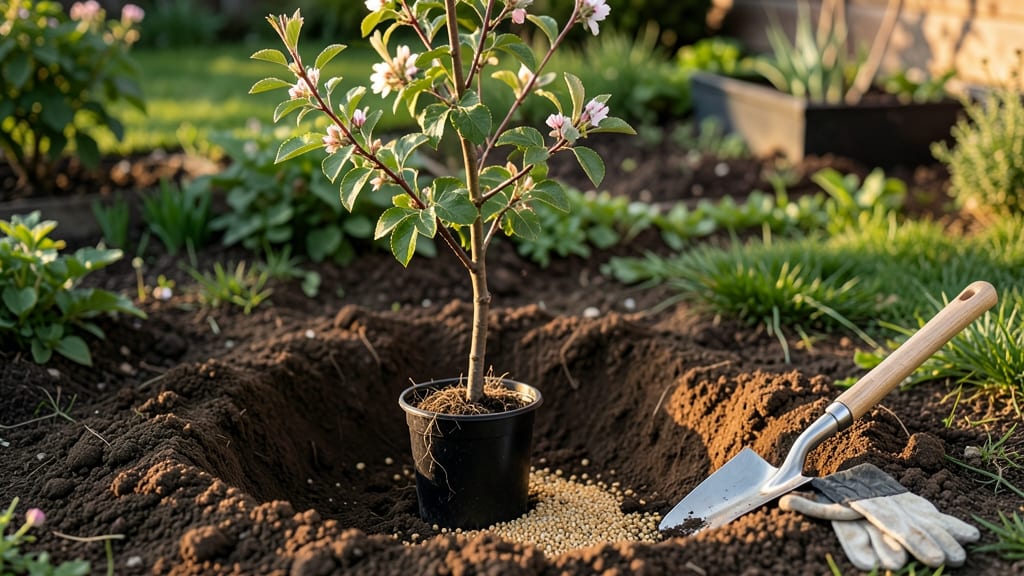
Planting an apple tree 🍎 in North Carolina at the wrong time could mean the difference between a thriving orchard and years of disappointment. The key isn't just picking the right season—it's matching your tree's chill-hour needs to your zone, whether you're in 6b's cooler mountains or 7b's warmer Piedmont.
Most gardeners know spring is ideal, but did you know late winter (February-April) gives your tree the best start? That's when soil warms enough for roots to establish before buds swell.
And if you're in Zone 8a, fall planting might work—but only for certain varieties that handle NC's unpredictable frost dates.
I'll walk you through exactly when to plant based on your microclimate, plus how to pick varieties that thrive in 300-900 chill hours. No more guessing games—just science-backed timing for your future harvest.
Ready to get started? Let's break down the perfect planting window for your North Carolina orchard, including soil prep tips and variety recommendations that actually work in your zone.
Best planting months for apple trees in NC’s Zone 6b-7b
North Carolina’s Zone 6b-7b climate offers a narrow window for planting apple trees—typically between late winter and early spring. This timing ensures trees establish roots before summer heat arrives.
For most regions, February through April is ideal, but microclimates like the Piedmont (cooler) or Coastal Plain (warmer) may shift this slightly.
Bare-root trees—common in nurseries—should be planted before buds swell (usually by March 15 in Zone 6b). Container-grown trees offer more flexibility, allowing planting up to May, but spring remains optimal. Fall planting (October) is risky unless you’re in Zone 7b+ with mild winters.
Here’s the critical rule: Plant when soil temps are above 40°F but air temps stay below 70°F. This balance prevents root shock while avoiding summer stress. In NC’s Piedmont, aim for early March; in the Coastal Plain, late February works better.
🌱
| Planting Method | Best Months (Zone 6b) | Best Months (Zone 7b) | Soil Temp Requirement | Key Consideration |
|---|---|---|---|---|
| Bare-Root Trees | Late February–Early March | Early February–Late March | 40–50°F | Plant before buds break |
| Container-Grown | March–May | February–April | 45–60°F | Avoid summer heat stress |
| Fall Planting (Risky) | October (Zone 7b+ only) | October–November | 50–60°F | Only for mild winters |
For high-chill varieties (e.g., ‘Gala’ or ‘Granny Smith’), stick to early spring planting. These trees need 600–900 chill hours, so planting too late risks insufficient winter dormancy. In contrast, low-chill varieties (e.g., ‘Ambrosia’) can tolerate slightly later planting in Zone 7b.
Urban gardeners in Raleigh or Asheville should plant 1–2 weeks earlier than coastal areas like Wilmington due to later frost dates. Always check your last frost date—NC’s ranges from March 1 (Zone 8a) to March 15 (Zone 6b).
Pro tip: Test soil moisture before planting. Dry soil in April can delay root establishment, while soggy soil in February may cause rot. Aim for well-draining, slightly acidic soil (pH 6.0–6.5) to set your tree up for success.
✂️
Best planting months for apple trees in NC’s Zone 6b-7b
North Carolina’s Zone 6b-7b climate demands precise timing for apple tree planting—typically between late winter and early spring. This window ensures your tree establishes roots before summer heat arrives, while avoiding frost risks that can damage tender new growth.
For most varieties, March and early April are ideal, but bare-root trees can also be planted in late February if soil isn’t frozen.
Container-grown apple trees offer more flexibility, allowing planting from late winter through early fall. However, spring remains the best choice for root development. In Zone 7b, where winters are milder, you can extend planting into May, but avoid late-season planting—new roots won’t harden before winter’s chill.
| Planting Method | Best Months | Temperature Threshold | Zone 6b Notes | Zone 7b Notes |
|---|---|---|---|---|
| Bare-Root Trees | Late February - Early April | 35°F - 50°F (soil temp) | Plant before buds swell; avoid frost-prone weeks. | Extend to early May; milder winters reduce risk. |
| Container-Grown Trees | Late Winter - Early Fall | 40°F+ (air temp) | Spring ideal; fall planting needs winter mulch. | Spring or fall; Zone 7b’s warmth allows later planting. |
| Dwarf Varieties | March - April | 45°F+ (soil temp) | Smaller root systems need faster establishment. | May planting possible with extra watering. |
Microclimates in North Carolina add complexity—Piedmont regions (like Greensboro) experience earlier last frosts (mid-March) than Coastal Plain areas (e.g., Wilmington, where frost lingers until late March).
Adjust planting dates accordingly, and always check your local USDA frost calendar for precision. Urban areas may also have warmer microclimates, allowing slightly later plantings.
For high-chill varieties (e.g., ‘Gala’ or ‘Granny Smith’), prioritize early spring planting to ensure they receive adequate winter chill hours. Low-chill varieties (like ‘Ambrosia’) can handle fall planting in Zone 7b, but still require careful monitoring of soil temperatures to avoid root stress.
Pro tip: If planting in fall, do so at least 6-8 weeks before first frost to allow roots to establish. Mulch heavily with wood chips to insulate roots during winter. In Zone 6b, this means planting by October 15 at the latest.
Timing isn’t just about the calendar—it’s about soil temperature. Use a soil thermometer to confirm 45°F+ before planting. Cold soil can stunt root growth, even if air temperatures seem mild. Pair this with well-draining soil (amend with compost if needed) to set your apple tree up for long-term success.