
Plants
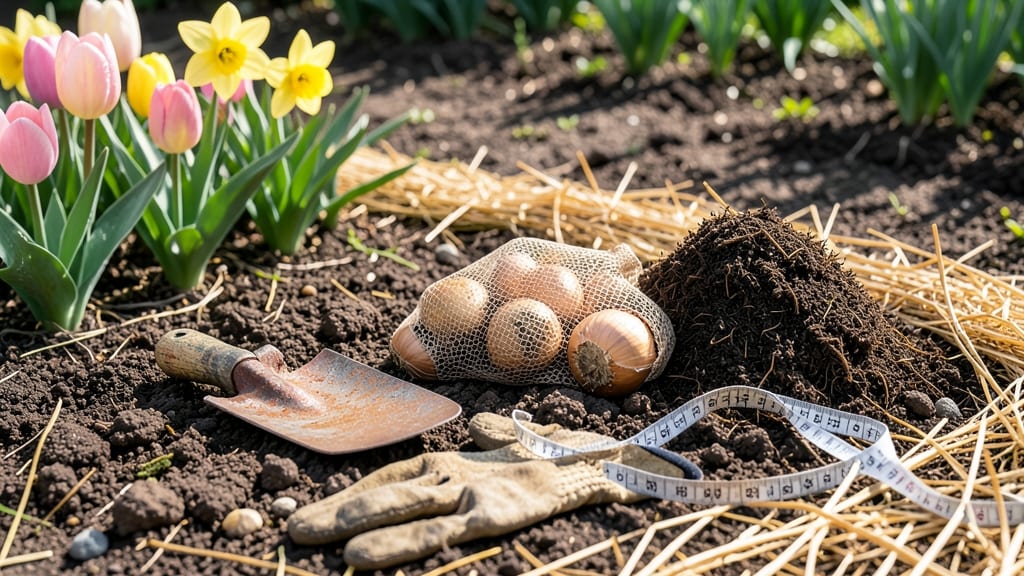
Planting your Asiatic Lily 🌸 bulbs at the right time in spring can transform your garden from a blank canvas to a burst of vibrant color by summer—but get it wrong, and you might end up with nothing but disappointment.
Most gardeners assume they should plant as soon as the ground thaws, but the truth is more nuanced. The 4-6 weeks before your last frost date is actually the sweet spot, giving those bulbs just enough time to root before the real warmth kicks in.
And in USDA Zone 6a, that means aiming for mid-April to early May.
Why does timing matter so much? Because Asiatic Lilies hate sitting in cold, wet soil—plant too early, and you risk rot or stunted growth. But plant too late, and you might miss the chance for those bold blooms before summer fades.
Let me show you exactly how to nail that window, including soil temperature tricks and regional tweaks to ensure your bulbs thrive.
Whether you're a first-time gardener or just want to guarantee showstopping flowers, these insights will help you avoid common pitfalls and get your Asiatic Lilies off to the best possible start. Let’s get those bulbs in the ground the right way!
Exact weeks before last frost to plant Asiatic Lily bulbs for optimal growth
Planting Asiatic lily bulbs at the right time in spring is all about balancing soil warmth and frost risk. Aim for 4-6 weeks before your last frost date, when soil temperatures consistently reach 55°F or higher.
This window ensures bulbs have time to root before summer heat arrives, while avoiding frost damage to tender shoots.
For most U.S. gardeners in USDA Zones 3-8, this translates to late March through early May. However, your exact timing depends on local frost patterns.
For example, gardeners in Zone 7 might plant in early April, while those in Zone 4 should wait until mid-May to avoid late frosts.
Use the National Weather Service frost calendar or local extension office data to pinpoint your area’s last frost date. Then, subtract 4-6 weeks to calculate your planting window. For instance, if your last frost is May 10th, plant bulbs between March 27th and April 10th.
| USDA Zone | Last Frost Date | Planting Window | Soil Temp Threshold |
|---|---|---|---|
| 3-4 | May 1-15 | April 1-15 | 55°F+ |
| 5-6 | April 15-30 | March 20-April 10 | 55°F+ |
| 7-8 | March 15-April 1 | February 15-March 15 | 50°F+ |
| 9-10 | January 1-February 15 | December 15-January 31 | 45°F+ |
*Adjust planting dates 1-2 weeks earlier for well-draining soil or later for heavy clay.
If you’re unsure about your exact frost date, use a soil thermometer to confirm readiness. Asiatic lilies need soil that’s at least 55°F—cold soil slows root growth and delays blooms. For cooler climates, consider planting in containers and moving them indoors if frost threatens after planting.
Pro tip: In regions with unpredictable spring weather, like the Midwest or Pacific Northwest, err on the side of planting later. A few extra weeks of warmth before blooming time won’t hurt your lilies, but a late frost can wipe out tender shoots overnight.
Once you’ve nailed the timing, focus on soil prep. Asiatic lilies thrive in well-draining, slightly acidic soil (pH 6.0-7.0). Mix in compost or aged manure 2-3 weeks before planting to give roots a nutrient boost. Avoid fresh manure, which can burn bulbs.
After planting, water deeply to settle soil around bulbs and keep moisture consistent until shoots emerge. Mulch with 2-3 inches of straw or shredded leaves to retain moisture and regulate soil temperature. This step is critical in Zone 5 and colder, where soil can still fluctuate.
Remember, Asiatic lilies are early bloomers—they’ll reward your timing with bold summer flowers in just 8-12 weeks after planting. The key is patience: rushing the process risks weak growth, while waiting too long may shorten the blooming season.
For gardeners in warmer climates (Zones 9-10), plant bulbs in winter (November-January) to take advantage of cooler soil temperatures. This mimics their natural habitat and encourages earlier spring blooms.
🌱
Exact weeks before last frost to plant Asiatic Lily bulbs for optimal growth
Timing your Asiatic Lily bulbs 4-6 weeks before your last frost date is the golden rule for vibrant summer blooms. This window gives bulbs enough time to establish roots before the soil warms up—critical for their growth.
For USDA Zone 6a, that translates to mid-April to early May, but your exact date depends on local frost patterns.
Use the National Weather Service frost calculator or your local cooperative extension office to pinpoint your last frost date. Then, count backward: plant bulbs 6 weeks before in cooler regions or 4 weeks before in warmer microclimates.
For example, if your last frost is May 10, aim for planting between March 25 and April 10.
Soil temperature is just as important as calendar dates. Asiatic Lilies need soil that’s at least 55°F (13°C)—warmer is better. Test with a soil thermometer at a 4-inch depth. If it’s cooler, wait a few days. Cold soil slows root growth and can lead to rot.
Here’s how to adjust for your region:
Pro tip: If your spring is unpredictable, use frost cloth to protect newly planted bulbs for the first 2-3 weeks. This buys extra time for root establishment without risking overheating. Just remove it once daytime temps consistently stay above 50°F (10°C).
Planting too early? Your bulbs may rot in cold, soggy soil. Too late? They might not bloom until next year. The 4-6 week window balances these risks perfectly, ensuring your Asiatic Lilies burst into color by late June or July.
For extra insurance, plant a few bulbs 2 weeks early and monitor them. If they sprout before the last frost, cover them with mulch or frost cloth. If they don’t, they’ll still thrive when planted later in the window.
✂️