
Plants
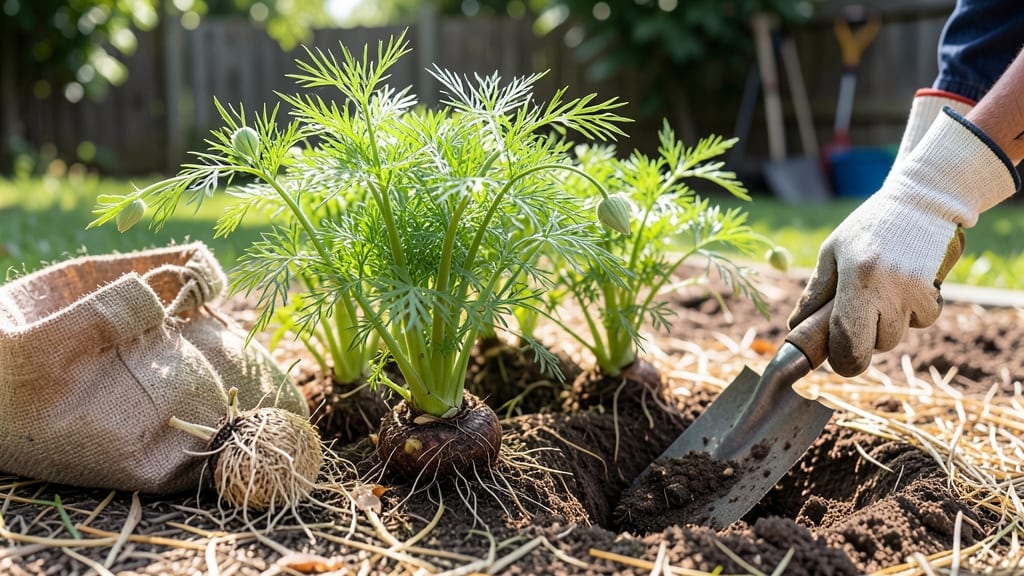
Planting asparagus in Zone 8 at the wrong time means wasting months—or even years—waiting for spears to emerge. The ideal window is narrow: late February to early March for spring planting, or September to October for fall, when soil temperatures hover between 50-60°F and frost risk is minimal.
Most Zone 8 gardeners swear by 1-year-old crowns over seeds, since they establish faster and produce harvestable spears in 2-3 years instead of 3-4. But timing is everything—plant too early, and frost will damage tender roots; too late, and summer heat will stress young plants before they take hold.
Here’s the game-changer: soil temperature matters more than calendar dates. Use a soil thermometer to confirm 50°F+ before planting, and avoid the hottest summer months (June-August) entirely. Even in Zone 8, late fall plantings can struggle if temperatures dip unexpectedly.
Ready to grow asparagus that thrives year after year? I’ll walk you through the exact steps—from soil prep to post-planting care—to ensure your 🌱 asparagus crowns become a perennial powerhouse in your garden.
Exact planting months for asparagus in Zone 8 (with frost risk breakdown)
In Zone 8, the perfect window for planting asparagus crowns is late February to early March—just as the last frost threat fades and soil temperatures creep toward 50-60°F. This timing ensures your 🌱 asparagus crowns establish roots before summer heat arrives.
Fall planting is also viable in September to October, but only if your soil stays above 50°F for 4-6 weeks post-planting.
Why this window? Asparagus crowns despise frost and waterlogged soil. Planting too early (January) risks root rot from cold, wet ground, while waiting until April may expose young plants to summer drought. Even in Zone 8, late fall plantings can fail if temperatures dip unexpectedly.
Here’s the critical rule: Soil temperature trumps calendar dates. Use a soil thermometer—plant only when readings hit 50°F+ at 6-inch depth. In my Zone 8b garden, this usually aligns with mid-March, but your exact timing depends on microclimate (e.g., coastal areas warm earlier than inland).
Pro Tip: If you’re planting seeds (less common for asparagus), start them indoors 8-10 weeks before last frost (typically January in Zone 8). Transplant seedlings outdoors in late February, but be prepared to protect them with row covers if frost returns.
Zone 8 Asparagus Planting Timeline
| Month | Ideal Planting Window | Soil Temp (°F) | Frost Risk | Notes |
|---|---|---|---|---|
| February | Late February (after last frost) | 50-60°F | Low (post-last frost) | Best for crowns; avoid if soil is soggy. |
| March | Early March (soil 50°F+) | 55-65°F | None | Peak window; ideal for transplants. |
| September | Late September (soil 50°F+) | 50-60°F | Moderate (watch forecasts) | Risky if frost arrives early; mulch heavily. |
| October | Early October (soil 50°F+) | 55-60°F | High (late October) | Last chance; use row covers if frost threatens. |
🌱 Key: Soil temp is more critical than month—always verify with a thermometer.
For fall planting, aim for September in Zone 8’s cooler microclimates (e.g., higher elevations) or early October in warmer areas. The goal is to give roots 4-6 weeks of warm soil before dormancy.
I’ve had success with ‘Jersey Knight’ crowns planted in late September, but I always mulch with 4 inches of straw to insulate roots.
What about summer planting? Avoid it entirely. Asparagus crowns planted in June-August struggle with heat stress and poor root establishment. If you’re desperate to plant, wait until September—but even then, prioritize shade cloth during the hottest afternoons.
One Zone 8-specific hack I swear by: Pre-warm your soil in January-February by covering beds with black plastic for 2-3 weeks. This raises soil temps 5-10°F faster, giving you a head start on the planting window. Just remove the plastic 2 weeks before planting to let temps stabilize.
Finally, don’t skip soil prep. Asparagus thrives in well-draining, slightly alkaline soil (pH 6.5-7.5). Mix in compost and coarse sand to improve drainage, and avoid fresh manure—it can burn crowns.
In my Zone 8 garden, I also add a time-release fertilizer at planting for a slow-release nutrient boost.
Ready to plant? Grab your 🌱 asparagus crown
Exact planting months for asparagus in Zone 8 (with frost risk breakdown)
Zone 8’s mild winters create a perfect window for asparagus, but timing still requires precision. The ideal months are late February through early March for spring planting, or September to October for fall. These periods align with soil temperatures of 50-60°F—critical for root establishment before summer heat arrives.
Spring planting is my top recommendation because it gives crowns a full growing season to establish before winter. However, fall planting (September-October) works if you choose cold-hardy varieties like 'Jersey Knight' or 'Purple Passion' and protect them with mulch during unexpected cold snaps.
Here’s the frost risk breakdown for Zone 8: The last average frost date is March 15, while the first frost typically hits November 15. Planting in late February avoids frost damage, while fall plantings must be completed by early October to allow roots to harden before winter.
🌱 Asparagus Planting Timeline for Zone 8
| Season | Best Months | Soil Temp | Frost Risk | Notes |
|---|---|---|---|---|
| Spring | Late Feb - Early Mar | 50-60°F | Low | Fastest establishment |
| Fall | Sep - Early Oct | 55-65°F | Moderate | Mulch heavily for winter |
| Avoid | June - Aug | N/A | High heat stress | Roots struggle to establish |
For crown plantings, aim for late February to early March when soil is workable but not waterlogged. If you’re using seeds, start them indoors 8-10 weeks before your last frost date (mid-January) for transplanting in early spring.
Seeds are riskier in Zone 8 due to slower germination in cooler soils.
Pro tip: Use a soil thermometer to confirm temperatures before planting. I’ve seen many gardeners rush planting in late January only to have their crowns fail because the soil was still too cold (below 50°F). Patience here pays off with stronger plants and earlier harvests.
After planting, focus on consistent moisture for the first 4-6 weeks. Mulch with straw to retain soil warmth and suppress weeds. By following these exact months, your asparagus will establish a perennial root system that produces spears for 15+ years—far longer than most vegetables.