
Plants
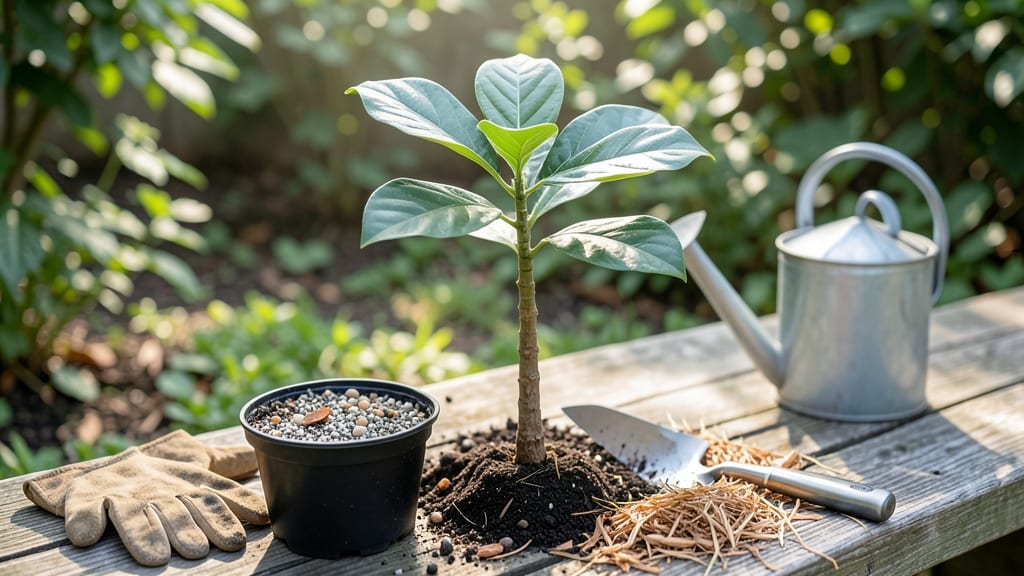
Planting an avocado at the wrong time in the soil can turn your tropical dream tree into a frost-killed casualty—so getting the timing right is everything.
Unlike hardy plants that shrug off chilly weather, avocados demand warmth, and even a late frost can send your young sapling into a downward spiral.
The key to success lies in waiting until the soil has warmed and all danger of frost has passed, typically aligning with your local last-frost date.
For most gardeners in USDA Zones 6a-10a, that means aiming for spring—specifically after March—when daytime temperatures consistently stay above 60°F.
In warmer zones like 9b-10a, you can even plant in fall, but timing is everything to give roots the chance to establish before cooler weather sets in. Skipping this step often leads to stunted growth or worse, and no one wants to watch their investment wilt away.
But here’s the good news: once you nail the timing, your avocado tree will reward you with lush foliage and—eventually—those coveted creamy fruits.
I’ll walk you through exactly how to sync your planting with your hardiness zone, plus pro tips for soil prep and avoiding common pitfalls that even experienced gardeners fall for. Let’s get your avocado off to the right start.
Whether you’re planting in containers or directly in the ground, understanding your local climate’s quirks is the game-changer. We’ll cover how to adjust for microclimates, verify frost-free dates, and even troubleshoot when your region doesn’t fit the typical zone guidelines.
Ready to turn your avocado from a gamble into a guaranteed green thumb win?
Best planting times for avocado trees by USDA hardiness zone
Avocado trees (Persea americana) are tropical divas that demand warm soil and frost-free conditions to thrive. Planting at the wrong time—like before the last frost—can shock your tree’s delicate roots and stunt its growth for years.
The key is aligning your planting with your USDA hardiness zone and local frost dates.
In zones 9-11, where frost is rare, you can plant avocados year-round, but early spring (March-May) is ideal for maximum root establishment before summer heat arrives. For zones 7-8, stick to late spring (May-June) after all frost risk has passed.
In zones 6 and colder, avocados are risky but possible with container growing and winter protection.
Timing matters because avocado roots need consistent warmth (above 60°F/15°C) to grow. Planting too early in cooler zones means roots struggle to establish before winter sets in. Meanwhile, planting too late delays growth, reducing your tree’s chance to bear fruit in its first few years.
Pro Tip: Use a soil thermometer to confirm soil temps are above 65°F (18°C) before planting. This is especially critical in zone 8 and below, where early springs can fool you into planting prematurely.
In zones 9-11, you can plant avocados as early as February in coastal areas where winters are mild, but inland regions should wait until March or April when nights stay consistently above 50°F (10°C).
The goal is to give your tree’s roots 6-8 weeks of warm soil before summer’s peak heat arrives.
For zones 7-8, timing is trickier. Planting in late May gives roots time to establish before the first frost, which typically hits in October-November. If you miss this window, wait until early summer (June) but be prepared for slower initial growth.
In zone 6, avocados are a gamble unless you’re committed to container growing. Plant in July-August when soil temps are highest, and move pots indoors or under a hoop house before temperatures drop below 40°F (4°C). Without protection, frost will kill your tree.
Remember: Container-grown avocados offer flexibility to move trees indoors during cold snaps, making them the best option for zones 6-8. Just ensure your container is at least 15 gallons to accommodate root growth.
🌱
Best planting times for avocado trees by USDA hardiness zone
Avocado trees (Persea americana) are tropical at heart, so planting them at the right time is critical for survival—especially in cooler climates. The last frost date in your USDA hardiness zone determines whether you plant in early spring or late winter.
In zones 9-11, you can even plant in fall for a head start.
For example, in Zone 10a, where frost is rare, you can plant avocado pits or young trees from February through May. Meanwhile, gardeners in Zone 9a should wait until March or April to avoid late-spring frosts.
In Zone 8b, only plant after April 15, as earlier dates risk frost damage to tender roots.
Why timing matters: Avocado roots establish slowly, and cold snaps can kill young trees. Planting too early means root shock from fluctuating temperatures, while planting too late delays growth. Aim for soil temperatures above 60°F (15°C)—use a soil thermometer to check!
Microclimates play a huge role! A south-facing slope or urban heat island can push your planting window 2-4 weeks earlier. Check local weather stations for 10-year frost averages—your neighbor’s yard might be warmer than official zone data suggests.
For container-grown avocados, you can plant 4-6 weeks earlier than ground planting, since pots warm up faster. Just ensure your container has drainage holes and use a lightweight potting mix to prevent root rot.
Pro tip: If you’re planting avocado pits (not nursery trees), start them indoors 8-12 months early—they need time to develop roots before outdoor transplanting. Use well-draining soil and keep them in a warm spot until soil temps cooperate.