
Plants
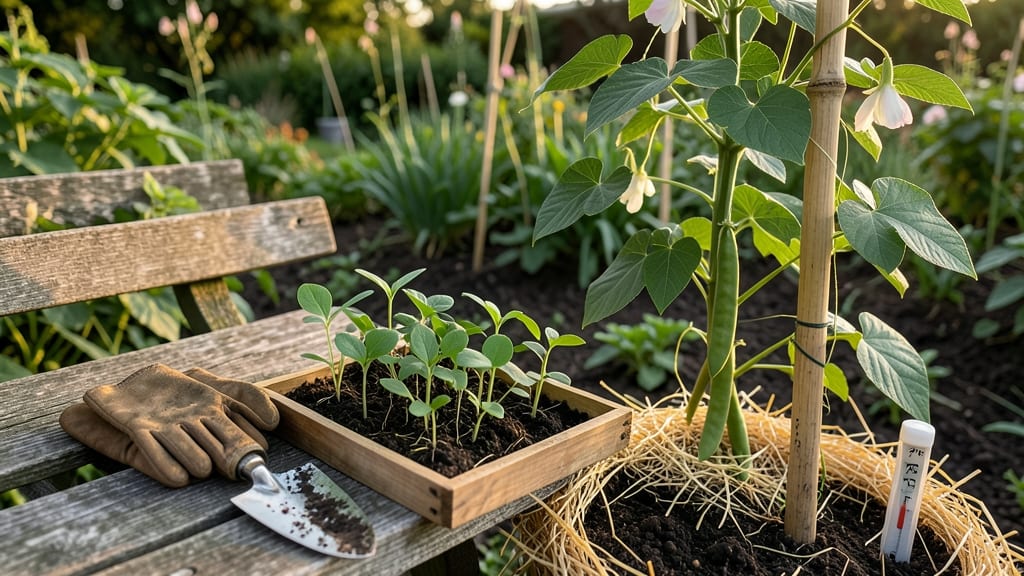
Planting beans at the wrong time in Kansas can mean the difference between a thriving garden and a lost harvest—so knowing when to plant beans in Kansas is your first step to success. 🌱
With Kansas' unpredictable weather swings, timing matters more than you might think. Whether you're growing bush beans or pole varieties, getting them in the ground too early risks frost damage, while planting too late cuts your harvest season short.
The key is understanding your local frost dates and choosing varieties that thrive in your specific zone.
I've tested different planting strategies across Kansas' USDA Zones 5-7, and what I'm about to share will help you avoid common mistakes. From soil preparation to selecting the right varieties, you'll learn exactly when and how to plant for maximum yields.
Let's dive into the perfect planting windows and pro tips that will transform your bean patch this summer!
Kansas frost-free dates and ideal planting windows for beans
Kansas' diverse climate—spanning USDA Hardiness Zones 5-7—means frost-free dates vary dramatically from west to east. In Zone 5 (western Kansas), the average last frost date falls between April 15-30, while Zone 7 (eastern Kansas) typically sees frost-free conditions by March 20-April 10.
These dates are critical because beans are warm-season crops that won’t tolerate frost.
For most of Kansas, the ideal planting window for beans opens 2-3 weeks after the last frost.
This timing ensures soil temperatures reach at least 60°F (15°C), which is essential for germination. Bush beans (like Contender) are slightly more forgiving and can handle cooler soil, while pole beans (such as Kentucky Wonder) thrive best in consistently warm conditions.
Here’s how to adjust your planting schedule based on your Kansas location and bean type:
| Region | Last Frost Date | Ideal Planting Window | Soil Temp Requirement | Notes |
|---|---|---|---|---|
| Western KS (Zone 5) | April 15-30 | May 1-15 | ≥60°F (15°C) | Use row covers for early plantings. |
| Central KS (Zone 6) | April 1-15 | April 20-May 10 | ≥60°F (15°C) | Best for succession planting. |
| Eastern KS (Zone 7) | March 20-April 10 | April 1-May 1 | ≥60°F (15°C) | Longer growing season; plant late varieties. |
If you’re eager to start early, bush beans can tolerate slightly cooler soil, so you might plant them 1-2 weeks earlier than pole beans.
However, avoid planting before April 1 in most of Kansas, as soil temperatures are often too low for reliable germination. Pole beans, which take longer to mature, benefit from a later start to ensure they don’t outgrow the season.
For successive plantings, aim to sow new seeds every 2-3 weeks until July 15. This strategy extends your harvest window and ensures a steady supply of fresh beans.
In Zone 5, your last planting should be no later than June 30 to allow for a 60-90 day maturity period before the first frost in October-November.
Pro tip: Use a soil thermometer to confirm temperatures before planting. Beans won’t sprout if soil is below 60°F (15°C), no matter how eager you are to see them grow! Waiting for the right conditions saves time and frustration.
In southern Kansas (Zone 7), you can even experiment with fall plantings for late-season varieties. Start seeds in late July for a harvest before the first hard frost, typically around October 15. This works best with short-season varieties like Blue Lake, which mature in 55-60 days.
Remember, Kansas’ unpredictable weather means flexibility is key. Keep an eye on 10-day forecasts and be ready to adjust your planting schedule if late frosts or unseasonably cool temperatures linger. With the right timing, you’ll enjoy a bountiful bean harvest from summer through early fall! 🌱
Best bean varieties for Kansas gardens and their planting timing
Kansas gardeners have plenty of excellent bean varieties to choose from, each with unique planting windows and harvest times. The right variety can mean the difference between a bountiful harvest and disappointment.
Since Kansas spans USDA Zones 5-7, I’ll focus on varieties that thrive across these regions, including both bush beans and pole beans.
For early spring planting, opt for cold-tolerant varieties like Kentucky Wonder or Contender. These can handle cooler soil temperatures and are perfect for planting as soon as the soil is workable—typically late April to early May in most of Kansas.
If you’re in Zone 5, aim for late May to avoid frost damage.
Here’s a quick comparison of top-performing varieties and their ideal planting times:
If you’re planting for a late summer harvest, consider heat-tolerant varieties like Provider or Blue Lake. These varieties perform well when planted in early June, giving you a second harvest before fall frosts hit in September or October.
For Zone 7 gardeners, you can even squeeze in a third planting in late July for a fall harvest.
Pro tip: Always check the seed packet for specific days to maturity. This helps you calculate when to plant for your desired harvest window. For example, if you want beans by Labor Day, count backward from 90 days to determine your planting date.
Don’t forget to rotate your planting locations yearly to prevent soil-borne diseases. Beans are nitrogen-fixers, so they enrich the soil—just don’t plant them in the same spot two years in a row.