
Plants
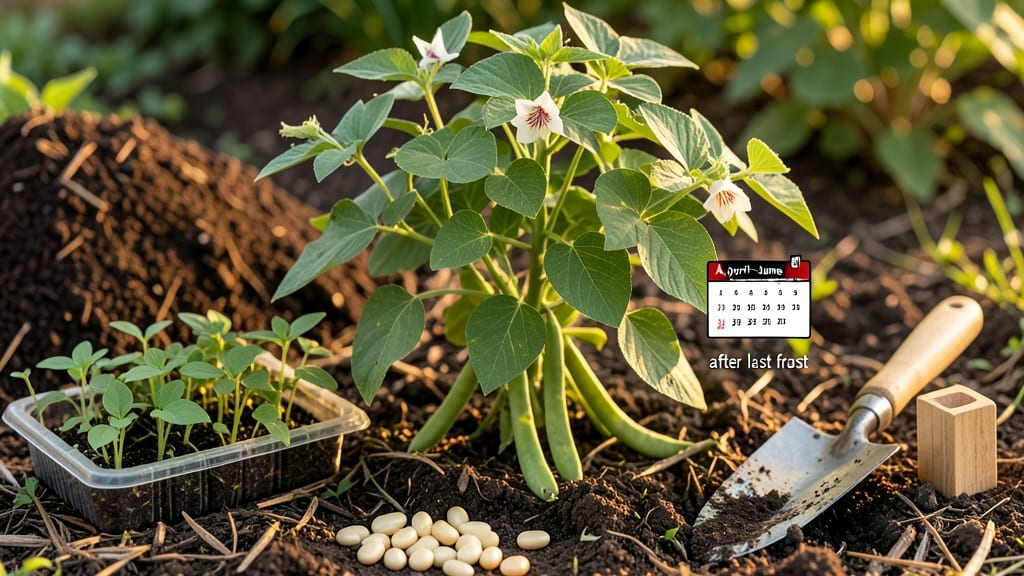
Planting beans in Zone 7 at the wrong time can turn your garden dreams into a disappointing flop—missed deadlines mean stunted plants or pests stealing your harvest before you even taste those homegrown pods.
The key to success? Timing it right, when soil temperatures hit 60°F and frost is a distant memory.
For Zone 7 gardeners, the ideal window stretches from April 15 to June 15, but not all beans are created equal. Pole beans, bush beans, and heirloom varieties each have their own preferences—some thrive in cooler early springs, while others demand the heat of summer.
I’ll break down exactly when to plant each type for maximum yield.
You’ll also discover how to adjust for your specific last frost date (usually around April 1 in 7a-7b), whether to direct-sow or transplant, and which companion plants keep pests at bay. No more guessing—just actionable advice to turn your garden into a bean bonanza.
Ready to grow beans that outperform store-bought? Let’s dive into the exact weeks that separate a mediocre harvest from a garden overflowing with crisp, homegrown pods. Your future self will thank you.
Optimal planting windows for beans in Zone 7: exact weeks before last frost
Beans are one of the easiest vegetables to grow, but getting the planting timing right in Zone 7 ensures you avoid frost damage and maximize your harvest. Since beans are warm-season crops, they need consistent soil temperatures above 60°F to thrive.
In Zone 7, this typically aligns with 2-4 weeks after your last frost date, which usually falls around April 15.
If you plant too early, cold soil can stunt germination or invite fungal diseases. Conversely, waiting too long risks overlapping with summer heat, which can stress some varieties.
The key is to start seeds indoors 2-3 weeks before your last frost (for transplants) or sow directly after soil warms.
For most gardeners in Zone 7, the ideal planting window stretches from late April to mid-June. This gives you flexibility to grow early, mid, and late-season varieties, extending your harvest from July through September.
Pole beans, in particular, benefit from a longer season, while bush beans mature faster and can be planted in successive batches every 2 weeks.
Here’s the breakdown of your Zone 7 bean planting schedule based on frost dates and variety types:
| Variety Type | Direct Sow Time | Transplant Time | Days to Maturity | Notes |
|---|---|---|---|---|
| Bush Beans (e.g., 'Blue Lake') | Late April - May 15 | Early April (indoors) | 50-60 days | Fast-growing; plant in batches for continuous harvest. |
| Pole Beans (e.g., 'Kentucky Wonder') | May 1 - June 15 | Late April (indoors) | 60-75 days | Tolerates heat better; extend season with trellises. |
| Heirloom Beans (e.g., 'Rattlesnake') | Mid-May - June 1 | Early May (indoors) | 65-80 days | Slower to mature; best for late-season planting. |
To calculate your exact last frost date, check your local USDA Plant Hardiness Zone Map or use a frost calendar for your city.
For example, in Atlanta, GA (Zone 7b), the average last frost is March 31, while in Raleigh, NC (Zone 7a), it’s April 15. Adjust your planting by 2-4 weeks after this date.
For successive planting, sow bush beans every 10-14 days until June 15 to stagger harvests. Pole beans, which take longer to mature, are best planted once in early May for a continuous yield.
If you’re using trellises, you can also plant pole beans later in the season (up to July 1) to extend your harvest into fall.
Pro tip: Use a soil thermometer to confirm soil temps are above 60°F before planting. Cold soil can delay germination by weeks, so don’t rush—patience here pays off with stronger, healthier plants.
Once your beans are in the ground, focus on consistent moisture and well-draining soil. Avoid overwatering, which can lead to root rot, and mulch around plants to retain moisture and suppress weeds. With the right timing, you’ll enjoy a bountiful harvest in just 60-80 days!
Optimal planting windows for beans in Zone 7: exact weeks before last frost
Beans thrive in Zone 7 when planted after the last frost date—typically around April 15—but the exact timing depends on whether you’re growing bush beans or pole beans.
Since beans are warm-season crops, they need soil temperatures of at least 60°F to germinate properly. Planting too early in cold soil can lead to poor germination or even rot.
For direct sowing (the most common method for beans), aim to plant 2-4 weeks before your last frost date. In Zone 7, this usually means mid-April to early May for early varieties.
If you’re growing late-season beans to extend your harvest, you can even plant a second crop in late June or early July—just ensure they mature before the first frost (around October 31).
🌱 Bean Planting Timeline for Zone 7
| Stage | Action | Notes |
|---|---|---|
| Early Spring | Test soil temperature (must be 60°F+) | Use a soil thermometer for accuracy. |
| April 15-May 1 | Plant early varieties (e.g., Blue Lake) | Direct sow 1 inch deep, 2-3 inches apart. |
| June 15-July 1 | Plant late varieties (e.g., Kentucky Wonder) | Ensure 80+ days until first frost. |
| July-August | Harvest regularly | Pick pods every 2-3 days for best yield. |
If you’re transplanting bean starts (less common but possible), wait until after all frost risk has passed—usually mid-May in Zone 7. Transplants are more delicate, so harden them off for 5-7 days before moving them outdoors.
For pole beans, which take longer to mature, focus on planting in early May to maximize growth before summer heat sets in.
Another pro tip: Succession plant every 2 weeks after your initial sowing to ensure a steady supply of fresh beans. This works especially well for bush beans, which mature faster (typically 50-60 days).
Pole beans, on the other hand, take 60-75 days, so plan accordingly if you’re growing them for a late-summer harvest.
Finally, avoid planting beans in cool, wet soil—this invites fungal diseases like root rot. If your soil is still damp in early spring, wait until it warms up and dries out slightly before sowing. A quick soil test can help you gauge moisture levels and adjust your planting schedule.
With the right timing, you’ll enjoy a long, productive harvest from July through September—just don’t let those beans outpace your kitchen’s capacity! 🌱