
Plants
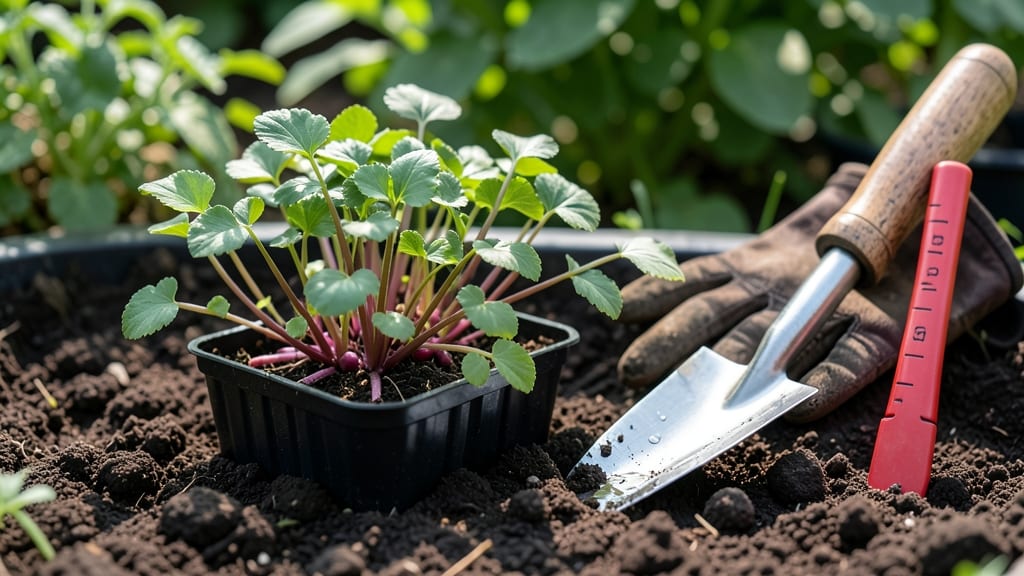
Planting beets in South Carolina’s humid summers and mild winters can feel like a guessing game—too soon, and you risk bolting; too late, and the heat zaps your crop. But with the right timing, you can enjoy fresh, tender beets from spring through fall without the stress.
I’ve grown beets in SC’s USDA Zones 7b and 8a for years, and the key isn’t just the calendar—it’s understanding how heat and humidity play into your planting schedule. Whether you’re in the coastal lowlands or the Piedmont uplands, the right window makes all the difference for a thriving harvest.
In this guide, I’ll break down the exact months to plant for maximum success, including heat-tolerant varieties that won’t bolt prematurely. You’ll also learn how to stretch your harvest with smart spacing and soil prep, so you’re never left without homegrown beets.
Ready to grow beets that last? Let’s dive into the perfect planting times and tips to keep your crop happy—no matter the season.
Best planting windows for beets in South Carolina’s climate zones
South Carolina’s USDA Zones 7b and 8a create unique challenges for beet growers—too early, and cold snaps trigger bolting, while summer heat can stress plants before they mature. The sweet spot? Planting when soil temperatures hover between 55°F and 75°F, which aligns with early spring and late summer windows.
Coastal areas like Charleston have slightly longer growing seasons, while Piedmont regions (e.g., Columbia) face earlier frost risks.
For spring plantings, aim for mid-February to early April in most of SC, but wait until late March in inland areas where frost lingers. This timing ensures seedlings emerge before leaf miners become active.
In fall, late summer plantings (late July to early August) give beets time to mature before winter sets in, with harvests stretching into November or December.
Bolting is your biggest enemy in SC’s heat, so avoid planting during peak summer months (June–August) unless you’re using heat-tolerant varieties. Instead, focus on succession planting every 2–3 weeks during your ideal windows to ensure a steady harvest.
I’ve found that shade cloth (30–50%) during June can extend summer plantings by 2–3 weeks without sacrificing yield.
Here’s the key: Soil temperature matters more than air temperature. Use a soil thermometer to confirm 55°F+ before planting—cold soil slows germination and invites rot.
In Zone 8a (e.g., Hilton Head), you can push spring plantings to early January under row covers, but most gardeners wait until February for safety.
| Planting Window | Ideal Months | Soil Temp | Notes |
|---|---|---|---|
| Early Spring | Mid-Feb to Early Apr | 55°F–65°F | Use row covers for frost protection |
| Late Summer | Late July–Early Aug | 65°F–75°F | Shade cloth recommended for June plantings |
| Fall | Early Sep–Mid-Oct | 60°F–70°F | Harvest before first frost (Nov) |
Regional microclimates play a huge role. In coastal SC (Zone 8a), you can squeeze in a third planting in late August for a fall harvest, but inland areas should stop by mid-August to avoid heat stress.
I’ve had success with ‘Boltardy’ beets in July plantings—these stay sweet even when temperatures hit 90°F.
Don’t overlook succession planting—it’s how I’ve kept beets on my table from April to December. Sow seeds every 2 weeks during your ideal windows, thinning seedlings to 3 inches apart for round beets or 6 inches for larger varieties.
This staggered approach ensures you’re always harvesting fresh beets, not dealing with a glut all at once.
For container growing, stick to spring and fall plantings—summer heat in pots dries out soil too quickly. Use self-watering containers and keep them in partial shade during June and July. I’ve grown ‘Little Ball’ beets successfully in 12-inch pots, but they need daily watering when temps exceed 85°F.
Pro tip: Test your soil’s pH before planting—beets thrive in 6.0–7.0. If your soil is too acidic (common in SC’s sandy soils), amend with lime 2–3 weeks before planting. I’ve seen 30% larger yields in amended beds compared to untested soil.
Finally, watch for first frost dates: most of SC experiences frost by mid-November, but coastal areas can delay until December. Plan your last fall planting to harvest 4–6 weeks before frost—this gives beets time to mature without bolting.
Best planting windows for beets in South Carolina’s climate zones
South Carolina’s USDA Zones 7b and 8a offer two prime planting windows for beets: early spring and late summer. The goal? Avoid the bolting trigger of warm soil in spring and the heat stress of summer’s peak.
Coastal areas (like Charleston) have earlier frost dates than inland Piedmont (Greenville), so adjust your schedule accordingly.
For spring planting, aim for mid-February to early April when soil temps hit 50°F (10°C)—cooler than most gardeners think. This gives beets time to mature before summer’s heat sets in.
In Zone 8a, you can push it to mid-April; in Zone 7b, start by late March to beat the bolting window.
Your second planting window opens in late summer (August) for a fall harvest. Seed by mid-August to harvest before the first frost (typically mid-November in Zone 7b, late November in Zone 8a). This avoids the scorching July heat that turns beets woody or causes bolting.
| Planting Window | Zone 7b (Piedmont) | Zone 8a (Coastal) | Key Consideration |
|---|---|---|---|
| Early Spring | Late March–Early April | Mid-February–Mid-April | Soil at 50°F (10°C) |
| Late Summer | Mid-August–Early Sept | Late July–Mid-August | Harvest before frost |
| Soil Temp Threshold | 50–60°F (10–15°C) | 50–60°F (10–15°C) | Use seed tape for precision |
If you’re in coastal SC, don’t overlook succession planting every 2 weeks in spring for a staggered harvest. Inland gardeners should prioritize shade cloth (30–50%) during June–July to prevent bolting. I’ve found that detached leaves (harvesting greens first) can buy you extra time in hot spells.
Pro tip: Test your soil’s pH (6.0–7.0) and add compost before planting—beets hate soggy soil but need steady moisture. Mulch with straw to keep roots cool and retain humidity, which is critical in SC’s low-humidity summers.
For a year-round supply, pair spring beets with a fall crop and consider container growing for patios (use 5-gallon pots with drainage). Just remember: No beets in December—they’re winter-hardy but prefer milder temps for sweetness.