
Plants
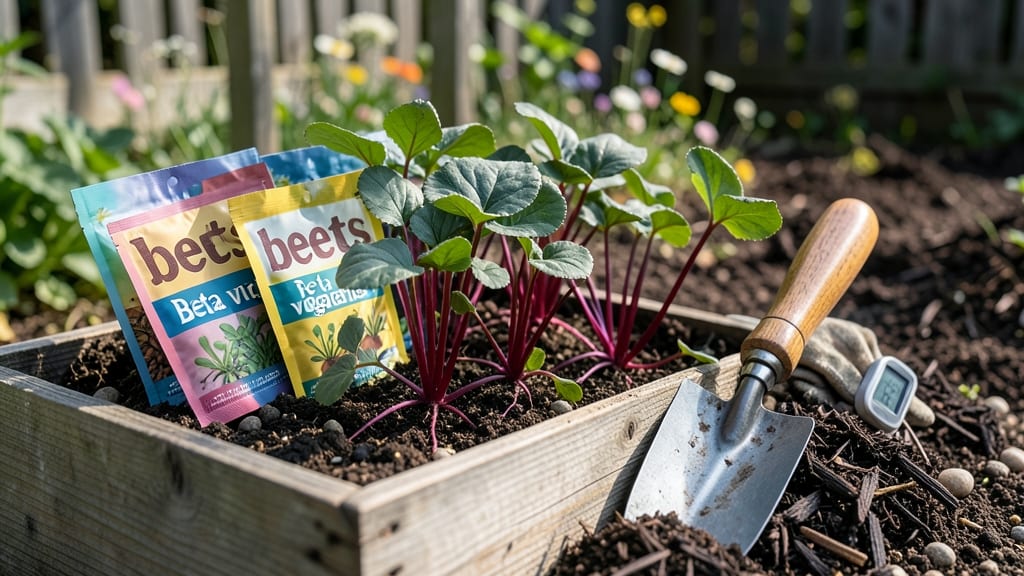
Planting beets at the wrong time in Zone 8b can turn your garden into a bitter disappointment—those sweet, tender roots you crave will bolt into flowers instead. The key to avoiding this is knowing exactly when to plant 🍠, and the answer isn’t as simple as "spring."
In Zone 8b, you’ve got two prime windows: early spring (February–March) and late summer (August–September). But here’s the catch—beets hate heat, and planting too late in spring or too early in summer can trigger bolting before you even harvest.
Let’s break down the exact dates and strategies to keep your beets happy and your harvest sweet.
You’ll also discover how to stretch your growing season with succession planting, which varieties thrive in Zone 8b’s mild winters, and why soil temperature matters more than you think. Skip the guesswork and learn the precise timing that works for your climate.
Whether you’re a first-time gardener or a seasoned green thumb, these insights will help you grow beets that are perfectly sized, flavorful, and ready to harvest just as the weather cools down. Let’s get those seeds in the ground at the right time!
Optimal beet planting dates in Zone 8b to prevent bolting
In Zone 8b, beets thrive when planted during cool seasons—either late winter/early spring or late summer/early fall. The key is avoiding soil temperatures above 80°F, which triggers bolting (premature flowering). I’ve planted beets here for years, and these timing tricks save my harvest every time.
Your last frost date in Zone 8b is typically around January 15, while the first frost arrives December 15. This gives you a 245-day frost-free window—perfect for two planting cycles. The best months are February–March for spring and August–September for fall.
🌱 Pro Tip: Use a soil thermometer—beets bolt when soil hits 75°F+. In Zone 8b, this happens by mid-April for spring plantings, so aim to finish sowing by early April. For fall, plant by mid-August to harvest before winter.
For direct sowing, scatter seeds ½ inch deep, 1–2 inches apart in rows 12 inches apart. Thin seedlings to 3–4 inches apart when they’re 2 inches tall—this prevents overcrowding, which stresses plants and encourages bolting.
If you prefer transplanting, start seeds indoors 4–6 weeks before your target outdoor date. Use biodegradable pots to avoid root disturbance. Harden off seedlings by placing them outdoors for 2–3 hours daily the week before transplanting.
🌿 Zone 8b Hack: Use shade cloth (30–50%) if planting in late spring to keep soil temps cool. I’ve seen this extend the spring window by 2–3 weeks without bolting. Pair it with mulch (straw or grass clippings) to retain moisture and regulate temperature.
Succession planting works too! Sow every 2 weeks in spring and every 3 weeks in fall. This ensures a continuous harvest and reduces the risk of bolting from overripe plants. Just stop sowing 6–8 weeks before your first frost—you want roots to mature, not flower.
📅 Your Zone 8b Planting Calendar: - Jan 15–Feb 15: Start seeds indoors (if transplanting). - Feb 15–Mar 15: Direct sow for spring harvest. - Aug 1–Aug 15: Direct sow for fall harvest. - Sep 15–Oct 1: Last chance for fall planting (harvest before frost).
Bolting is the #1 enemy of sweet beets in Zone 8b, but with these dates and tricks, you’ll dodge it every time. Next, we’ll tackle heat and humidity risks—because even the best timing can fail if your garden gets too toasty!
Optimal beet planting dates in Zone 8b to prevent bolting
In Zone 8b, beets thrive when planted during cool seasons—either early spring or late summer/early fall—to avoid the heat stress that triggers bolting.
The key is timing your sowing to 50–60 days before your first frost (around mid-December in Zone 8b) or 8–10 weeks before summer heat peaks (typically late July).
For spring plantings, aim for mid-February to early March when soil temperatures hover between 50–65°F. This gives roots time to mature before Zone 8b’s summer heat (often exceeding 90°F) forces bolting. Fall plantings should start mid-August to early September for a harvest before winter sets in.
🌱 Pro Tip: Use your average last frost date (January 15 in Zone 8b) as a guide—plant 4–6 weeks before for spring and 8–10 weeks before your first frost for fall.
| Season | Planting Window | Soil Temp | Harvest Time |
|---|---|---|---|
| Spring | Mid-February to early March | 50–65°F | April–May |
| Fall | Mid-August to early September | 60–75°F | October–November |
If you miss these windows, succession planting every 2–3 weeks in spring or fall can extend your harvest. For example, sow a second batch in late March for a summer crop, but use shade cloth to protect seedlings from Zone 8b’s intense sun.
🌡️ Warning: Soil temperatures above 75°F for prolonged periods will force bolting. Use a soil thermometer to monitor—if temps climb, switch to shade-tolerant varieties like 'Chioggia' or 'Cylindra'.
For transplanting (less common for beets), start seeds indoors 4–6 weeks before your outdoor planting date. However, beets hate root disturbance, so direct sowing is always better for Zone 8b’s climate.