
Plants
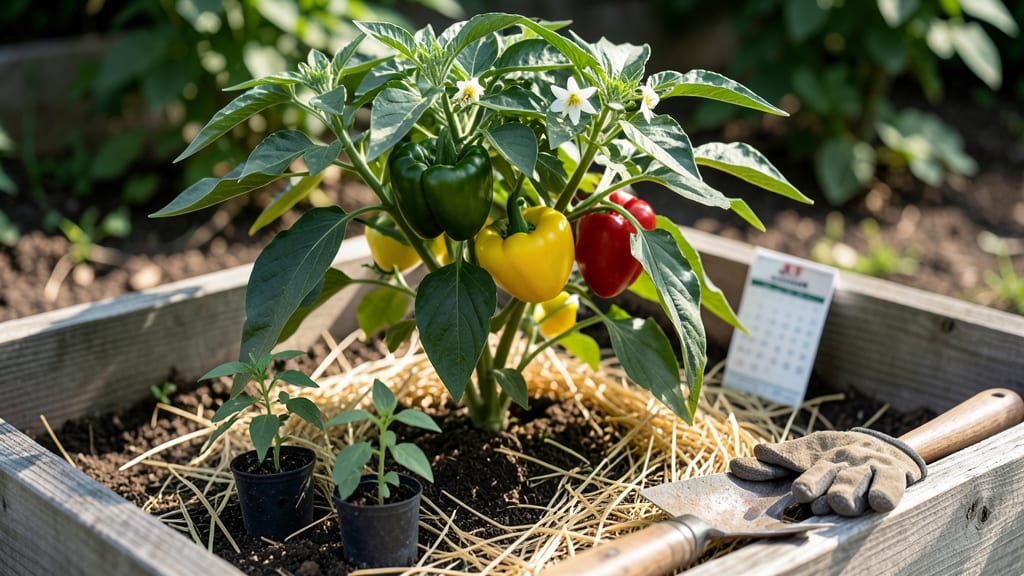
Planting bell peppers 🌶️ in Michigan isn’t just about waiting for spring—it’s about timing the soil and the sky just right. Too early, and a late frost will turn your tender seedlings into sad, wilted snacks; too late, and you’ll miss out on a harvest before fall’s chill sets in.
Most Michigan gardeners know the April 15 last-frost date is a starting point, but the real game-changer is soil temperature. Bell peppers need warmth—60°F+—to thrive, and Michigan’s 5b-6b zones can be tricky.
If you’re in the Upper Peninsula, you might need to start seeds indoors 8-10 weeks before transplanting, while Southern Michigan growers can often direct-sow after Memorial Day.
Here’s the secret: don’t guess. Use a soil thermometer (or even a DIY buried bottle trick) to confirm warmth before planting. And if your season feels too short? Choose fast-maturing varieties like ‘Early California Wonder’ or stretch it with row covers—because in Michigan, every extra week counts.
Ready to lock in your planting plan? I’ll walk you through the exact dates, soil tests, and variety picks that work for Michigan’s climate—so you can go from seed to harvest without the stress.
Michigan’s last-frost dates for bell pepper planting by region
Bell peppers 🌶️ thrive when planted after the last frost, but Michigan’s climate varies wildly from the Upper Peninsula to Southern Michigan. The average last-frost date shifts from May 15 in the UP to April 20 in Detroit—meaning your planting window depends entirely on where you live.
Don’t rely on calendar dates alone. Use the USDA Plant Hardiness Zone Map (Michigan spans 5b-6b) and local weather reports to pinpoint your exact window.
For example, Traverse City (Zone 5b) often sees frost until May 10, while Ann Arbor (Zone 6a) typically warms up by April 25.
Here’s the critical rule: Wait until soil reaches 60°F+—not just air temperature. A soil thermometer is your best friend here. In cooler zones like the UP, you may need to start seeds indoors 8-10 weeks before transplanting outdoors.
🌱 Michigan Bell Pepper Planting Windows by Region
| Region | Avg. Last Frost | Planting Window | Notes |
|---|---|---|---|
| Upper Peninsula (Zone 5b) | May 10–15 | Start indoors March 15–April 1 | Use row covers for extra warmth |
| Northern Lower Peninsula (Zone 5b-6a) | April 25–May 5 | Start indoors March 1–March 15 or direct-sow after May 1 | Soil must be 60°F+ for 2+ weeks |
| Southern Michigan (Zone 6a-6b) | April 10–20 | Direct-sow April 20–May 10 or start indoors Feb 15–March 1 | Longer growing season; try late varieties like ‘King of the North’ |
Pro tip: Check the Michigan State University Extension’s frost date maps for your county. They update yearly based on real data—not just averages. For example, 2023’s last frost in Grand Rapids came 10 days later than the 30-year average, catching many gardeners off guard.
If you’re in a high-risk zone (like the UP), consider using a greenhouse or cold frame to extend your season. I’ve had success with black plastic mulch to warm soil faster—it can raise ground temps by 5–10°F.
Remember: Bell peppers are heat-lovers. If your area has hot summers (like Southwest Michigan), you can even plant a second crop in July for a fall harvest. Just choose fast-maturing varieties like ‘Carmen’ or ‘Aristotle’.
For a foolproof timeline, mark your calendar for Memorial Day weekend as the absolute latest for direct-sowing in most of Michigan. After that, you’re playing the odds with frost risk.
Need a backup plan? Container gardening lets you move pots to sunniest spots or even indoors if a late frost threatens. Just ensure containers have drainage holes and use lightweight potting mix to warm up faster.
Finally, don’t forget: Michigan’s first frost usually hits around October 15. Plan your varieties so you harvest before temps drop below 50°F—or risk peppers turning mealy and bitter.
How to test soil warmth for bell peppers in Michigan’s climate
Michigan’s spring soil can be a mystery—one day it’s frozen, the next it’s ready for planting. Bell peppers need warm soil (at least 60°F) to germinate properly, and waiting for the last frost date isn’t enough.
If you plant too soon, your seeds will rot, or seedlings will struggle. The key? Test your soil temperature before committing.
I’ve learned the hard way—last year, I planted bell pepper seedlings in early May in my Detroit garden, only to watch them wilt because the soil was still 50°F. A simple soil thermometer (or even a DIY trick) could’ve saved me the heartache. Here’s how to get it right.
⚠️ Warning: Cold Soil Kills Peppers
Bell pepper seeds won’t germinate below 50°F, and seedlings stunt under 60°F. Even if air temps feel warm, soil stays cold longer, especially in Michigan’s 5b-6b zones. Always check before planting!
For accurate readings, use a soil thermometer (digital ones are cheap and reliable). Stick it 2-3 inches deep—that’s where seeds will be—and wait 10 minutes for a stable reading. Aim for 60°F+ for seedlings and 70°F+ for direct-sowing seeds. If your soil is still cool, try these tricks:
• Use black plastic mulch (lay it down 1-2 weeks before planting to warm soil faster). • Plant in containers (they heat up quicker than ground soil). • Wait for consistent warmth—don’t rush! A few extra days can mean the difference between thriving peppers and a failed crop.
Pro tip: Check soil temps in the late afternoon—that’s when it’s warmest. If it’s still below 60°F, hold off. Patience now means a bigger harvest later.
For container gardeners, soil warms up 3-5 days faster than in-ground beds. If you’re using pots, you can often plant 1-2 weeks earlier than ground soil allows. Just monitor moisture—containers dry out quicker in Michigan’s windy springs.