
Plants
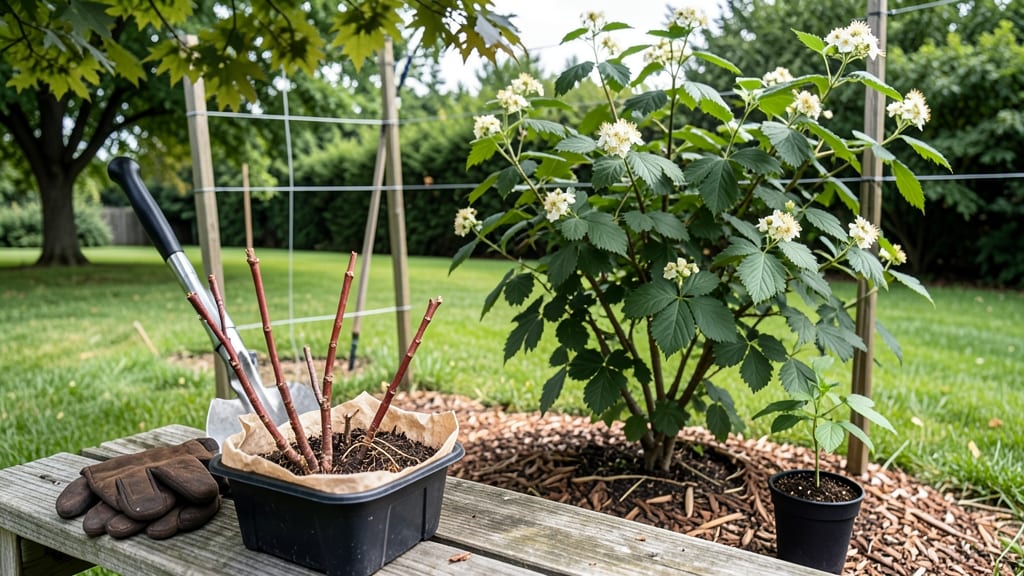
Planting blackberries in Indiana isn’t just about grabbing a few canes and sticking them in the ground—it’s about matching your variety to the 5b-6b zone’s chill hours and avoiding frost’s cruel timing tricks.
If you’ve ever watched your blackberry plants struggle through Indiana’s unpredictable springs, you know how critical the right window can be.
Most gardeners in Indiana plant their 🫐 blackberries in early spring or early fall, but the best time depends on whether you’re growing primocane or floricane varieties.
Spring planting gives your canes a head start, while fall offers cooler soil and fewer pests—but both require careful timing to avoid frost damage.
In this guide, I’ll break down exactly when to plant in Indiana’s climate, how to choose the right variety for your chill hours, and what to watch for to ensure your blackberries thrive. No more guessing—just data-driven planting success.
Whether you’re a first-time grower or a seasoned gardener looking to boost your harvest, these insights will help you plant with confidence. Let’s get those blackberries growing strong from the start!
Best planting months for blackberries in Indiana’s Zone 6 climate
Indiana’s Zone 6 climate offers two prime windows for planting blackberries: early spring and early fall. The key is avoiding extreme temperatures—soil should be above 40°F and at least 6 weeks before the last frost date (typically April 15).
Spring planting (March–April) gives canes time to establish roots before summer heat, while fall planting (September–October) allows roots to grow before winter dormancy.
I recommend bare-root plants for spring planting—they wake up faster than potted varieties. For fall, potted blackberries handle transplant shock better. Both methods require well-draining soil with a pH of 5.5–6.5 to prevent root rot. If your soil is heavy clay, amend it with compost or sand to improve aeration.
Here’s the critical timeline: Plant March 15–April 15 for spring or September 1–October 15 for fall. Avoid planting in late spring (May–June) or late fall (November), as tender shoots risk frost damage or insufficient root establishment.
| Planting Window | Ideal Months | Soil Temp | Key Prep Step |
|---|---|---|---|
| Spring | March–April | Above 40°F | Amend soil with compost |
| Fall | September–October | Above 50°F | Water deeply before frost |
| Avoid | May–June, November | N/A | Risk of frost damage |
For primocane varieties (like ‘Natchez’), spring planting is ideal—they produce fruit on new wood the same year. Floricane varieties (like ‘Triple Crown’) can handle either season but need at least 6 months to establish roots before winter.
If you’re unsure, opt for fall planting—roots grow better in cool weather, and you’ll see faster harvests the following summer.
Pro tip: Mulch with 3–4 inches of straw after planting to retain moisture and suppress weeds. This is especially critical in Indiana’s hot, dry summers. Water deeply 2–3 times per week for the first month to encourage root growth.
Avoid overhead watering to prevent fungal diseases like anthracnose, common in humid Midwest climates.
If you’re planting from seed (not recommended for beginners), start indoors 8–10 weeks before the last frostfrost-sensitive, so transplant them outdoors only after May 1, when nighttime temperatures stay above 50°F.
Seed-grown plants take 2–3 years to bear fruit, so bare-root or potted plants are far more efficient for Indiana growers.
Lastly, consider your blackberry trellis setup. Install T-posts or wire supports at planting time—blackberries need 4–6 feet of space to spread. A fan-trained trellis maximizes sunlight exposure and airflow, reducing disease risk. In Indiana’s humid summers, good airflow is non-negotiable for healthy canes.
For extra peace of mind, check Indiana’s frost-free date map from the Purdue Extension before planting. Adjust your timeline if you’re in northern Indiana (Zone 5b)—plant 2 weeks later than southern regions (Zone 6b). With the right timing, you’ll enjoy juicy blackberries by July!
How to match blackberry varieties to Indiana’s chill hours for maximum yield
Indiana’s Zone 6 climate delivers 600–900 chill hours annually, but not all blackberry varieties thrive equally. Primocane varieties like ‘Natchez’ need 300–500 chill hours, while floricane types such as ‘Triple Crown’ require 800–1,000 chill hours.
Planting the wrong variety can lead to poor fruit set or no harvest at all.
For Indiana’s chill range, I recommend ‘Chester’ (600–800 hours) or ‘Arapaho’ (500–700 hours)—both produce reliably in our climate. Always verify a variety’s chill-hour range before purchasing, as misalignment can delay fruiting by 1–2 years or worse.
🌱
| Variety | Chill Hours | Best Planting Month | Harvest Window |
|---|---|---|---|
| Natchez (Primocane) | 300–500 | Early April or September | July–October |
| Triple Crown (Floricane) | 800–1,000 | Early April only | July–August |
| Chester (Primocane) | 600–800 | Early April or September | July–September |
| Arapaho (Primocane) | 500–700 | Early April or September | July–September |
Adjust planting timing based on chill hours: low-chill varieties (like ‘Natchez’) can handle fall planting in September, while high-chill types (like ‘Triple Crown’) must go in early spring to complete dormancy before winter. Use a chill-hour calculator (like Purdue Extension’s) to confirm your variety’s needs.
For fall planting, aim for 6–8 weeks before first frost (early September in Indiana). This gives roots time to establish before dormancy. Spring planting should occur 4–6 weeks before last frost (early April) to avoid early-season frost damage to new canes.
Pro tip: If you’re unsure about chill hours, opt for ‘Chester’ or ‘Arapaho’—they’re the most Indiana-proof choices. For guaranteed success, pair your variety with proper soil pH (5.5–6.5) and mulch in winter to protect roots during freeze-thaw cycles.
✅