
Plants
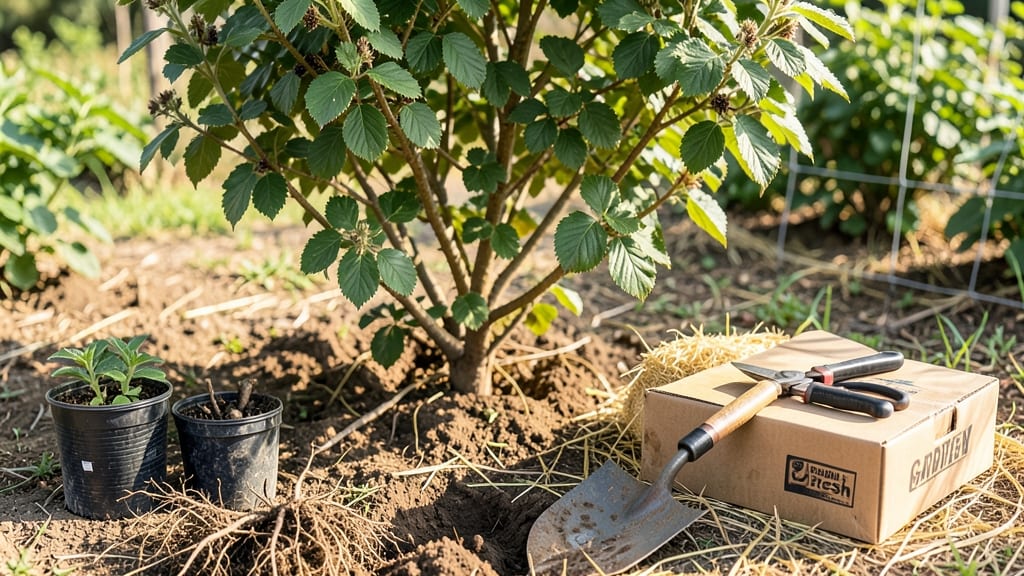
Planting blackberries in Louisiana at the wrong time can mean the difference between a thriving 🫐 harvest and struggling canes—thanks to the state’s unique chill-hour requirements and scorching summers.
If you’ve ever watched your blackberry bushes wilt under the heat or fail to produce fruit, timing is likely the culprit. Louisiana’s 8a-9b climate demands precise planting windows to ensure strong root growth before summer’s intensity sets in.
In this guide, I’ll break down the best months to plant—whether you prefer late winter or early spring—and how to match varieties like ‘Arapaho’ or ‘Natchez’ to your zone’s chill hours.
You’ll also discover soil prep tricks, frost workarounds, and post-planting care to keep your canes flourishing through Louisiana’s long, hot growing season.
Louisiana’s chill-hour zones: matching blackberry varieties to planting windows
Louisiana’s warm climate makes blackberry cultivation possible year-round, but chill-hour requirements determine which varieties thrive. Most blackberries need 500–1,000 chill hours (temperatures between 32–45°F) to break dormancy and produce fruit. In Louisiana’s USDA Zones 8a–9b, this means selecting low-chill varieties or strategic planting timing.
Northern Louisiana (e.g., Shreveport, Monroe) typically gets 500–700 chill hours, while southern regions (e.g., New Orleans, Lafayette) may see only 300–500 hours. This mismatch explains why traditional blackberries struggle in the Deep South without careful variety selection or fall planting to extend dormancy.
For example, ‘Arapaho’ (500–600 chill hours) thrives in northern Louisiana, while ‘Natchez’ (300–500 hours) is better suited for southern areas. ‘Ouachita’, a semi-evergreen variety, adapts well to Louisiana’s mild winters with minimal chill needs.
Here’s how chill hours affect your planting window: Fall planting (November–January) exposes canes to natural winter chill, while spring planting (February–March) relies on artificial dormancy (e.g., mulch or shade cloth) to meet chill requirements.
🌱
| Variety | Chill Hours | Best Planting Window | Notes |
|---|---|---|---|
| Arapaho | 500–600 | Fall (Nov–Jan) or Early Spring (Feb) | Thornless, high-yielding |
| Natchez | 300–500 | Late Fall (Dec) or Early Spring (Mar) | Semi-evergreen, heat-tolerant |
| Ouachita | 400–600 | Fall (Nov–Dec) or Spring (Feb–Mar) | Disease-resistant, vigorous |
| Chester | td style="padding: 10px; border: 1px solid #ddd;">600–800Fall (Oct–Nov) only | Traditional, high chill |
If you’re in southern Louisiana with limited chill hours, prioritize fall planting to maximize natural dormancy. For northern areas, both fall and spring work, but spring planting (after last frost) often yields faster establishment.
Pro tip: Use a chill-hour calculator (like the one from the Louisiana State University AgCenter) to estimate your local chill accumulation. This helps fine-tune planting dates based on your specific microclimate.
For container growing, thornless varieties like ‘Natchez’ are ideal—they adapt better to pots and can be moved to cooler spots in winter to boost chill hours artificially.
✂️
Best planting months in Louisiana: fall vs. spring timing for maximum success
Timing your blackberry planting in Louisiana hinges on two key factors: soil temperature and chill-hour accumulation. While both fall and spring planting work, each season offers unique advantages—and pitfalls—to consider before sticking your canes in the ground.
For fall planting (November–January), the goal is to establish roots before winter dormancy. This method works best in southern Louisiana, where mild winters provide natural chill hours.
Planting in late November or December gives canes time to root before the ground cools too much, while avoiding the hurricane season risks of late summer/fall.
Spring planting (February–March) is ideal for northern Louisiana, where chill hours are more abundant. Aim to plant 2–3 weeks before your last frost date (typically mid-February for most areas). This ensures canes wake from dormancy and establish roots before summer’s heat arrives.
🌱
📅 Month-by-Month Planting Checklist
- November: Plant bare-root canes in northern LA (soil temp: 50–60°F). Mulch heavily to protect roots.
- December: Best for southern LA—plant after soil cools to 50°F. Use shade cloth if temps spike.
- January: Last chance for fall planting. Water deeply to prevent drought stress.
- February: Ideal for spring planting in most areas. Test soil temp—wait until it’s consistently above 50°F.
- March: Final window for spring. Plant thornless varieties like ‘Natchez’ for easier harvests.
⚠️ Pro Tip: Use a soil thermometer to confirm temps—cold soil delays root growth!
One critical mistake I see often? Planting too early in spring when soil is still cold. Blackberry roots struggle to establish below 50°F, leading to weak canes and poor fruit production. Always check soil temperature—it’s more important than air temperature.
For container growers, spring planting is easier because you can move pots to cooler spots in winter to boost chill hours. If you plant in fall, use black plastic mulch to insulate roots during Louisiana’s unpredictable winters.
💧