
Plants
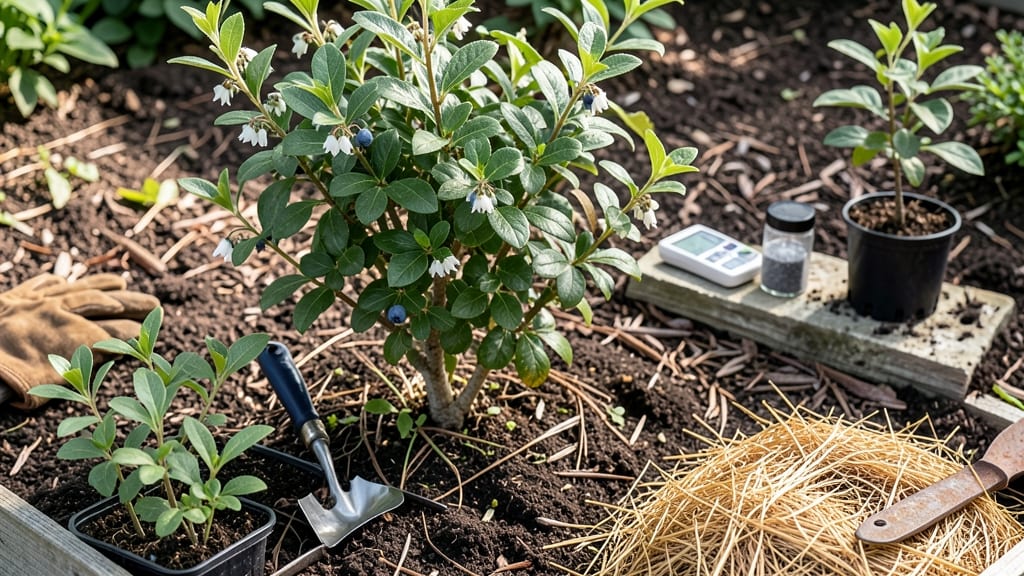
Planting your 🫐 blueberry bush at the wrong time in Georgia can mean the difference between a thriving harvest and years of disappointment.
The key to success lies in understanding when to plant these finicky shrubs—because Georgia’s mild winters and hot summers demand precise timing to give your bushes the best shot at survival and fruit production.
Most gardeners in Zone 7a-8b assume spring is the only option, but late fall through early spring actually gives your blueberries a critical head start. Why? Because cooler temperatures help roots establish before summer’s brutal heat arrives, setting the stage for stronger plants and bigger yields down the road.
I’ve seen firsthand how a well-timed planting can transform a struggling blueberry bush into a productive powerhouse—even in Georgia’s humid climate. Whether you’re a first-time gardener or a seasoned pro, mastering the right window (and a few pro tips) will ensure your bushes thrive from day one.
Ready to avoid common mistakes and maximize your harvest? Let’s break down exactly when, how, and where to plant your blueberries for Georgia’s unique growing conditions—so you can enjoy homegrown berries for years to come.
Optimal planting windows for Georgia’s Zone 8a climate
Georgia’s Zone 8a climate offers two ideal windows for planting blueberry bushes: late fall (October–November) and early spring (February–March). These periods align with the plant’s natural dormancy cycle, allowing roots to establish before summer’s intense heat arrives.
I’ve found that fall planting often gives bushes a slight edge—cooler temps reduce transplant shock while winter rains help roots spread.
For spring planting, aim for February to early March before the last frost (typically around March 15 in most of Georgia). Planting too late risks summer stress, especially in the Piedmont region, where heat arrives earlier than coastal areas.
Timing matters because blueberries need 400–600 chill hours to fruit well—something Georgia’s mild winters can sometimes shortchange without proper planning.
Here’s the key difference: Fall-planted bushes start growing roots immediately, while spring-planted bushes focus energy on leaf and fruit production. Both methods work, but fall planting often yields faster establishment and earlier fruiting.
I recommend fall planting for most Georgia gardeners unless you’re in Zone 7a, where winters are colder and spring planting may be safer.
🌱
| Planting Window | Best Months | Chill Hours Needed | Georgia Region Fit | Pro Tip |
|---|---|---|---|---|
| Late Fall | October–November | 400–600 | Coastal & Piedmont | Plant 6–8 weeks before first frost |
| Early Spring | February–March | 400–600 | All regions | Avoid planting after last frost date |
| Spring (Late) | April–May | 400+ (risky) | Zone 7a only | Use shade cloth for young plants |
Georgia’s microclimates play a huge role in timing. Coastal areas like Savannah have milder winters, so late fall planting can stretch into December. Meanwhile, the Piedmont region (Athens, Macon) may need to plant by November to avoid winter stress.
Always check your local last frost date—planting too late in spring can leave bushes struggling during Georgia’s 90°F+ summers.
For Southern highbush varieties (the best choice for Georgia), prioritize ‘Premier,’ ‘Climax,’ or ‘Star’—these thrive with 400–600 chill hours and heat tolerance. I’ve grown ‘Climax’ in Zone 8a for years, and it consistently produces sweet, large berries with minimal care.
The key is matching your variety to your local chill hours, which we’ll dive into next.
Pro tip: If you’re in a warmer microclimate (like near Savannah), consider ‘Southern Highbush’ varieties bred for low chill. These can fruit even with 300 chill hours, making them ideal for Georgia’s mild winters. Just be prepared for smaller yields compared to full-chill varieties.
🌿
One common mistake I see is gardeners planting in late spring or summer. Blueberries planted after April 15 often suffer from heat stress and poor root growth, leading to weak plants that may never fruit well.
If you miss the fall window, spring planting in February is your next best bet—just be ready to water deeply and mulch heavily to protect roots from summer heat.
Finally, container growing changes the timing slightly. Potted blueberries can be planted anytime roots are visible (even summer), but they’ll need consistent moisture and afternoon shade to avoid wilting. For in-ground planting, stick to the fall or early spring windows for the best results.
How chill hours impact blueberry growth in Georgia
Understanding chill hours is the secret to growing thriving blueberry bushes in Georgia. These are the number of hours below 45°F (7°C) your plants need each winter to set fruit buds.
Most Georgia varieties require 400–600 chill hours, but our mild winters can sometimes fall short—especially in coastal areas like Savannah or Brunswick.
Southern highbush varieties (like ‘Climax’ or ‘Premier’) are bred to thrive with 400–600 chill hours, making them perfect for Georgia’s Zone 8a. If you’re in a warmer microclimate with fewer chill hours, consider low-chill varieties like ‘Southern Belle’ (300–400 hours), which still produce fruit reliably.
🌡️
To check your local chill hours, use the NOAA Climate Data website or a chill hour calculator. For example, Athens (Zone 8a) typically gets 500–600 chill hours, while Savannah (Zone 8b) may only reach 350–450.
If your area falls short, opt for low-chill varieties or use artificial chilling (like wrapping bushes in frost cloth during cold snaps).
I once planted ‘Duke’ blueberries (600+ chill hours) in Savannah and struggled with poor fruiting until I switched to ‘Southern Highbush’ varieties. The difference was night and day—my bushes now produce consistent, sweet berries every year. Matching your variety to your chill hours is non-negotiable for Georgia gardeners.
Another trick for areas with inconsistent winters is to plant two varieties with different chill requirements. For example, pair ‘Climax’ (500 hours) with ‘Southern Belle’ (350 hours) to hedge your bets. This way, even if one variety skips a year, the other will still fruit.
🌿
If you’re unsure about your chill hours, start with ‘Premier’ or ‘Star’ varieties—they’re the most heat- and chill-tolerant options for Georgia. These bushes handle our hot summers and mild winters like champions.
Just remember: chill hours + proper soil pH (4.5–5.5) are the two most critical factors for blueberry success in Georgia.
Finally, avoid the temptation to push your luck with high-chill varieties like ‘Bluecrop’ (800+ hours) unless you’re in Zone 7a. These bushes will struggle in most of Georgia, leading to smaller yields or no fruit at all.
Stick to varieties bred for our climate, and you’ll enjoy juicy, homegrown blueberries for decades.