
Plants
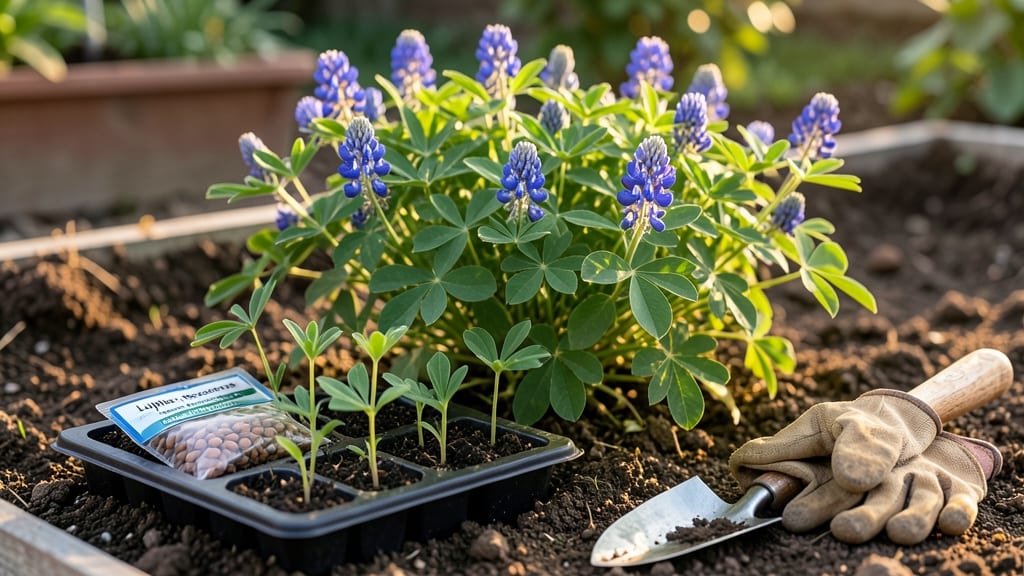
Planting bluebonnet seeds in Austin at the wrong time means waiting another year for those stunning blue fields that make the city famous. The secret to success lies in understanding Austin’s unique climate—where a late frost or early rain can turn your dreamy wildflower meadow into a bustling garden of weeds.
I’ve seen firsthand how fall planting (between late September and November) gives bluebonnets the perfect head start. When you plant too early, seeds may sprout before winter’s chill, only to die back.
Too late, and they won’t establish strong roots before spring’s heat arrives. Timing is everything, and Austin’s Zone 8a frost dates add another layer of complexity.
What if you could skip the guesswork and plant with confidence? I’ll walk you through the exact window, soil prep tricks, and watering schedules that work in Austin’s dry climate.
Whether you’re a first-time gardener or a seasoned pro, these tips will help your bluebonnets thrive—and turn your yard into a springtime postcard.
Ready to transform your landscape? Let’s dive into the step-by-step guide that’s helped Austin gardeners (including me!) grow lush bluebonnet fields year after year. The best time to plant is now—before the window closes.
Best planting windows for bluebonnets in Austin’s climate zones
Austin’s USDA Zone 8a climate creates the perfect conditions for bluebonnets, but timing is critical. The ideal window for planting is late September through November, when daytime temperatures drop and nights grow cooler.
This aligns with Austin’s first frost date (December 1), which signals seeds to germinate in spring.
Bluebonnets are cool-season annuals that need 60–90 days of cold stratification to break dormancy. Planting too early (before September) risks seeds sprouting prematurely and dying in summer heat. Conversely, waiting until December limits root establishment before winter dormancy.
Here’s how Austin’s microclimates affect planting: Hill Country areas (like Dripping Springs) experience cooler temps, so you can start as early as mid-August. Urban areas (like Downtown Austin) with heat islands may need to wait until late September to avoid heat stress.
Always check your local frost dates. Austin’s last frost is around January 15, but cold snaps can occur. Planting in October–November ensures seeds survive winter and bloom vibrantly by March–May.
| Planting Window | Austin Zone | Key Consideration | Action |
|---|---|---|---|
| Late September | Urban (Downtown) | Warmer microclimate | Best for heat-sensitive seeds |
| Mid-August | Hill Country | Cooler nights | Start earlier for longer root growth |
| October–November | All Austin Areas | Ideal for frost prep | Ensures spring blooms |
| December (last chance) | East Austin | Limited root time | Use for small patches only |
If you’re planting in containers, start seeds indoors in early September and transplant outdoors after October 15. This mimics natural conditions while giving seedlings a head start. Use well-draining soil with a pH of 6.0–7.5 to prevent rot.
Austin’s variable rainfall also plays a role. Plant seeds after a light rain or water thoroughly post-planting to ensure soil-seed contact. Avoid planting during prolonged droughts, as seeds need consistent moisture to germinate.
For re-seeding existing bluebonnet patches, scatter seeds directly on the soil in late fall. Native bluebonnets self-seed prolifically, but adding fresh seeds ensures thicker blooms. Just don’t cover seeds—they need light to germinate!
Monitor your garden for early spring sprouts (as early as February in warmer microclimates). Thin seedlings to 6–12 inches apart to prevent overcrowding. Thin plants make stronger blooms and reduce competition for water.
Remember: Patience is key. Bluebonnets take 60–90 days to bloom after germination. The wait is worth it for Austin’s signature sea of blue that arrives by March! 🌸
Step-by-step fall planting guide for Austin gardeners
Now that you’ve picked the perfect window, let’s dive into the step-by-step process for planting bluebonnet seeds in Austin. The key is simplicity—bluebonnets thrive with minimal intervention, but these critical steps will maximize your success.
Start by choosing a sunny location with 6+ hours of direct sunlight daily. Austin’s full sun exposure is non-negotiable for vibrant blooms. Clear the area of weeds and debris, then loosen the top 2–3 inches of soil with a rake or hoe to improve drainage.
Bluebonnets prefer well-draining, slightly acidic soil with a pH of 6.0–7.5. If your soil is heavy clay (common in Austin), amend it with compost or sand to improve aeration. A simple soil test kit from your local nursery will confirm your pH levels.
- Step 1: Scatter seeds directly on soil—no need to cover. Light promotes germination.
- Step 2: Space seeds 6–12 inches apart for optimal airflow and bloom density.
- Step 3: Lightly press seeds into soil with your hand or a board for soil contact.
- Step 4: Water deeply but infrequently—1 inch total per week after planting.
- Step 5: Apply 1 inch of mulch (straw or leaves) to retain moisture and suppress weeds.
After planting, water deeply but infrequently—bluebonnets are drought-tolerant once established. Aim for 1 inch of water per week, delivered in the early morning to reduce evaporation. Avoid overhead sprinklers, which can wash seeds away or cause fungal issues.
In Austin’s variable fall weather, monitor soil moisture closely. If rains are scarce, supplement with drip irrigation or soaker hoses. Overwatering is a common mistake—bluebonnets hate soggy soil and will rot if left too wet.
Once seedlings emerge (typically 2–4 weeks after planting), thin them to 6–12 inches apart to prevent overcrowding. Use scissors to snip excess seedlings at soil level, then replant the healthiest ones if desired. This step ensures each plant gets enough nutrients and sunlight to thrive.
By following these steps, you’ll give your bluebonnets the best possible start for Austin’s spring blooming season. With minimal effort, you’ll soon have a vibrant blue carpet that’s the envy of the neighborhood! 🌸